



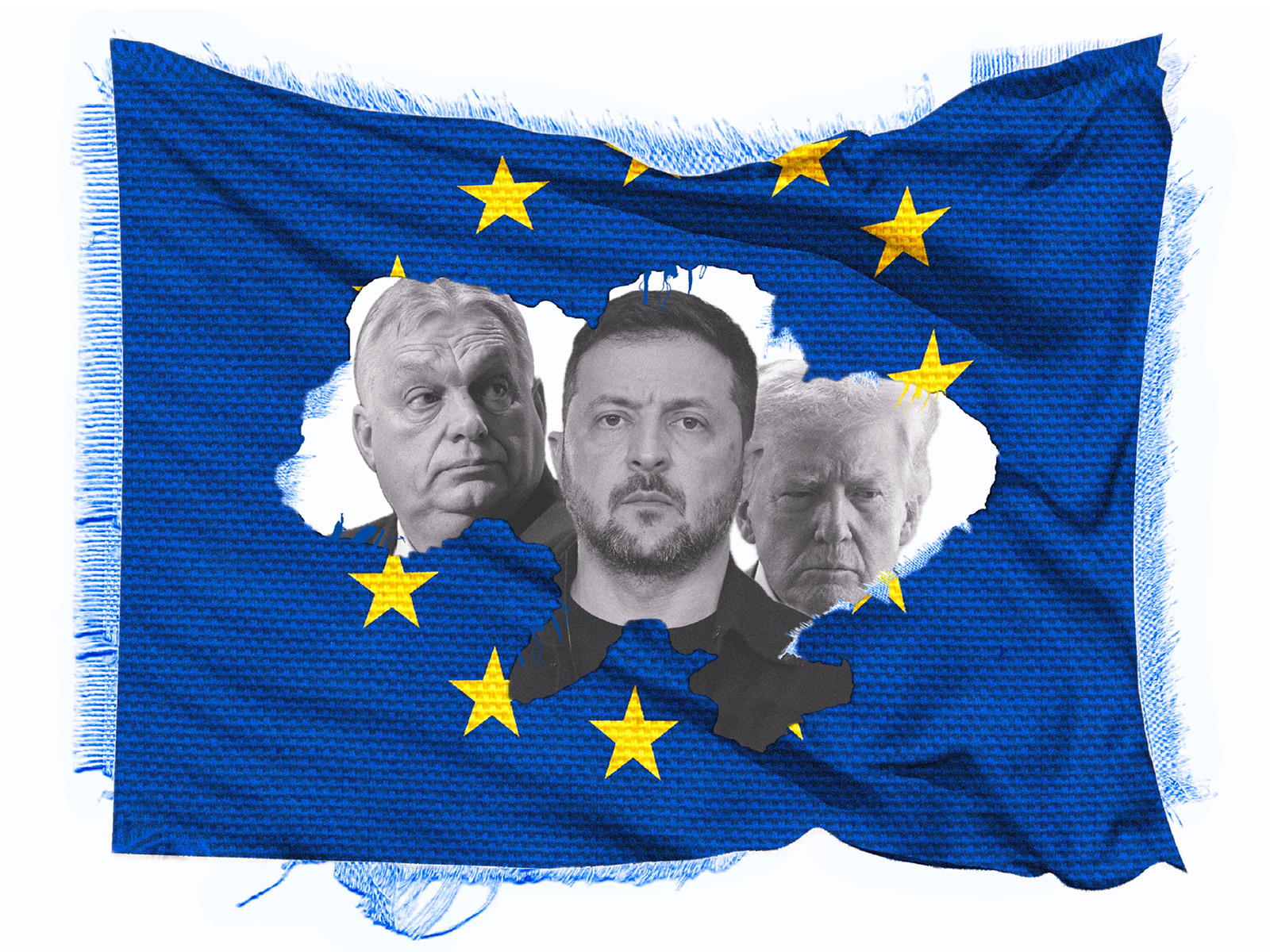
The EU is hatching an unprecedented plan that could give Ukraine partial membership in the bloc as early as next year, as Brussels tries to shore up the country’s position in Europe and away from Moscow, according to 10 officials and diplomats.
Four years on from Russia’s full-scale invasion, and with Kyiv pushing for EU membership in 2027 to be included in a peace deal with the Kremlin, the early-stage idea would represent a dramatic change to the way the bloc brings new countries into the fold. The plan would see Ukraine getting a seat at the EU table before carrying out the reforms needed for full membership privileges.
European officials and the Ukrainian government say Kyiv’s membership bid is urgent. Russia is likely to try to “stop our movement into the EU,” Ukrainian President Volodymyr Zelenskyy told reporters in Kyiv on Friday when asked about the importance of formalizing a 2027 accession date. “That is why we say name the date. Why a specific date? Because the date will be signed by Ukraine, Europe, the USA and Russia.”
The EU’s idea echoes Emmanuel Macron’s multi-speed Union blueprint, which he has outlined several times since he became French president in 2017. The latest version has been informally dubbed “reverse enlargement,” according to an EU official and two European diplomats, because it effectively brings countries into the bloc at the beginning of the process of meeting membership criteria rather than at the end.
EU officials say the idea is attractive because it would give Kyiv breathing space to finish reforms to its democratic institutions, judiciary and political system while lessening the likelihood it abandons hope of ever joining the bloc and turns its back on the West. However, obstacles lie ahead, not least Hungary’s Prime Minister Viktor Orbán, who opposes Ukraine’s membership.
Based on conversations with five diplomats representing different countries and three EU and two Ukrainian officials, who were granted anonymity to discuss the confidential negotiations they are familiar with, POLITICO has identified five steps.
Step 1: Get Ukraine ready
The EU has been “frontloading” Ukraine’s membership bid. That involves providing Kyiv with informal guidance in negotiating “clusters” — the legal steps on the path to membership.
The bloc has already provided Ukraine with details on three of six negotiating clusters. At an informal meeting of European affairs ministers in Cyprus in March, the EU wants to give a visiting Ukrainian delegation details of more clusters so work can begin on those as well.
“Despite the most challenging circumstances, in the midst of ongoing Russian aggression, Ukraine is accelerating its reform efforts,” Marilena Raouna, deputy Europe minister of Cyprus, which holds the Council of the EU presidency, told POLITICO. The March 3 meeting will target reaffirming that support, she said.
But “there will be no shortcuts” on reforms, an EU official said. That message was echoed by two senior diplomats from countries that are strong backers of Ukraine, and all the EU officials POLITICO spoke with.
“EU membership only brings benefits if you go through the transformation via the enlargement process — that’s the real superpower of EU membership,” one official said. “The European Commission has to square those two things: the need to move quickly, but also to have the reforms in Ukraine.”
For its part, Kyiv says it’s ready to do the work required. “We will be technically ready by 2027,” Zelenskyy said on Friday. “You are talking about the end of the war and simultaneous security guarantees. And the EU for us is security guarantees.”
Step 2: Create EU membership-lite
EU governments questioned Commission President Ursula von der Leyen about efforts to break the deadlock over bringing new nations into the bloc at a meeting in Brussels on Friday, according to diplomats who took part in the discussion or were briefed on its content.
She set out a variety of options and models that the EU is considering, they said. Among them was the idea of “reverse enlargement.”
“It would be a sort of recalibration of the process — you join and then you get phased in rights and obligations,” said an EU official familiar with the content of the discussion. “So there would be a rethinking of how we do accession based on the very different situation we have now compared to when the Commission established accession criteria.”
The idea is not to lower the bar, but to create a politically powerful message to countries whose accession is held up because of war or opposition from capitals like Budapest — not just Ukraine, but also Moldova and Albania, among others.
“It’s important to send a political message,” said an EU diplomat. “The war of aggression has been going for four years. Ukrainians need support. The EU must provide this support, politically and psychologically.”
While Zelenskyy has previously said Ukraine will not accept second-tier EU status, it could be open to something that codifies the country’s path into the EU before it becomes a fully fledged member of the bloc, an official familiar with Kyiv’s thinking said.
A Moldovan official told POLITICO that the country “wants to join a European Union that functions effectively beyond 27 member states, and we welcome discussions on the internal reforms needed to make this possible.” At the same time, “full membership — with equal rights and full participation in EU decision-making — must remain the clear and final destination.”
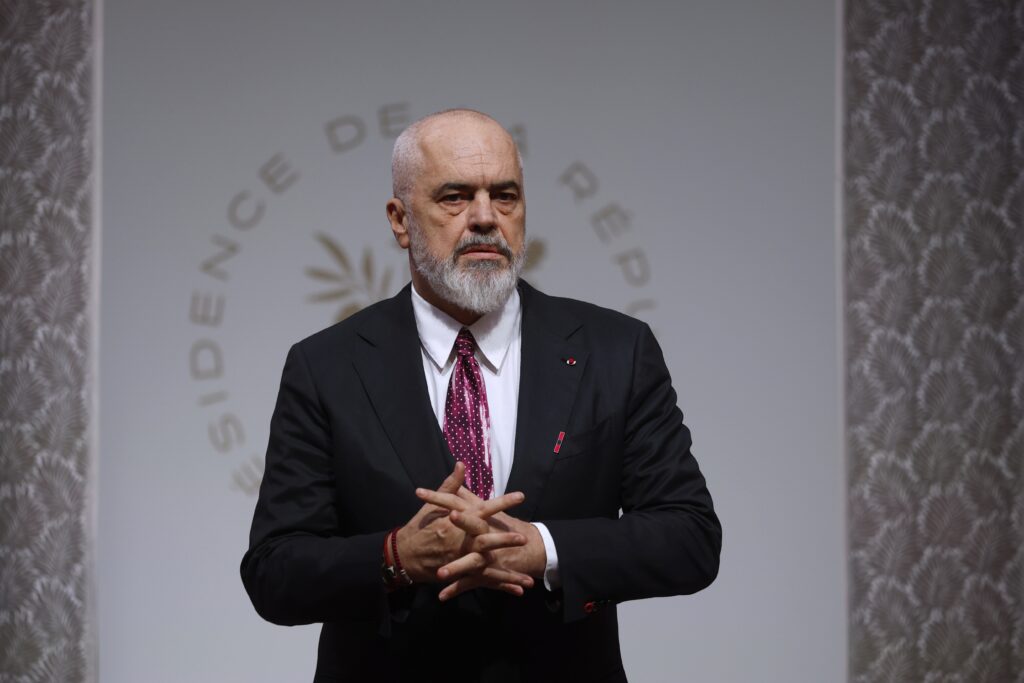
Albanian Prime Minister Edi Rama told POLITICO last month that a creative approach to EU membership was a “good idea” and that his country would even accept temporarily not having its own commissioner.
The idea has its opponents within the EU. “On principle, you cannot discuss two categories of member states,” said an EU official. “This wouldn’t be fair not only to Ukraine but also to the European project. The message should be to accelerate reforms.”
Germany, in particular, is against the idea of creating multiple tiers of EU membership and wary that countries that join the bloc before they’re ready will be promised things Brussels won’t be able to deliver, according to a senior diplomat. However, the hope is that if the EU’s other heavy-hitters such as Paris, Rome and Warsaw are behind the push, Berlin could be convinced.
Step 3: Wait for Orbán’s departure
The challenge for Ukraine’s membership prospects is getting all 27 member countries on board because any decision to expand the bloc requires unanimous support. Orbán, Putin’s closest ally in the EU, is steadfastly opposed.
But the Commission and EU capitals are looking to the Hungarian election in April and also working on ways around Orbán’s veto.
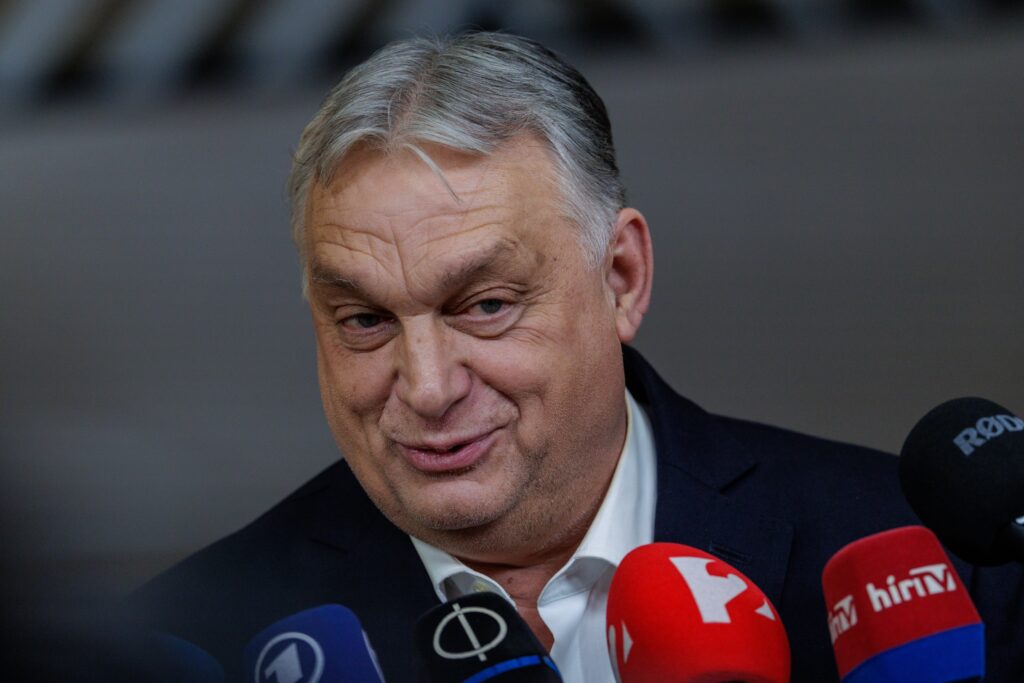
Orbán faces a tight contest and is behind in the polls. He has weaponized the topic of Ukraine’s EU membership in his campaign, over the weekend saying “Ukraine is our enemy” over its push to ban Russian energy imports and that it should “never” join the EU.
None of the officials POLITICO spoke with said they believed Orbán would change his mind before the election.
The Hungarian prime minister’s antipathy for Kyiv “runs deep,” said one senior EU diplomat. “It’s a personal thing between Orbán and Zelenskyy. It’s more than a strategic or tactical play.”
Orbán and Zelenskyy have repeatedly taken aim at one another. Zelenskyy publicly accused Orbán of “doing very dangerous things” by blocking Ukraine’s EU path and separately dubbed Budapest a “little Moscow.” Orbán has called Ukraine “one of the most corrupt countries in the world” and accused Zelenskyy of issuing threats against Hungary’s sovereignty.
Several EU officials said they hope that if Orbán loses the election, his rival Péter Magyar, the conservative leader of the opposition Tisza party, could change tack on Ukraine, given he promised last year to put the issue to a referendum.
But if Orbán gets reelected it’s onto step four.
Step 4: Play the Trump card
While Orbán’s opposition to Ukraine joining the EU appears steadfast, there is one man European leaders believe could change his mind: Donald Trump.
The U.S. president, who is closely allied with Orbán and endorsed him ahead of the Hungarian election, has made no secret of his desire to be the one who pushes Ukraine and Russia to do a peace deal. With EU accession for Ukraine by 2027 written into a draft 20-point proposal to end the war, the hope is that Trump may call Budapest to get a deal done.
Zelenskyy hinted at this hope on Friday.
Under the peace proposal, the U.S. “takes on the obligation that it is a guarantor that no one will block” elements of the deal, he said. “We talk about whether the United States of America will work with some European entities politically so that they don’t block.”
The Trump administration previously pressed Orbán during negotiations over the EU’s sanctions packages against Moscow, an EU diplomat said.
Step 5: If all else fails, remove Hungary’s voting rights
If Trump’s art of the deal fails, there is one more card the EU has to play: getting Article 7 of the EU treaty back on the table against Hungary, according to two EU diplomats.
Article 7, deployed when a country is considered at risk of breaching the bloc’s core values, is the most serious political sanction the EU can impose because it suspends a member’s rights, including those on whether to make new countries members.
The EU has no intention of making that push yet, assuming that doing so would play into Orbán’s hands ahead of his April election. But capitals are gauging support for using the tool if Orbán is reelected and continues to obstruct EU decision-making. Such a move is “absolutely possible,” a third diplomat said.
Gabriel Gavin, Veronika Melkozerova and Nicholas Vinocur contributed to this story.



Follow