



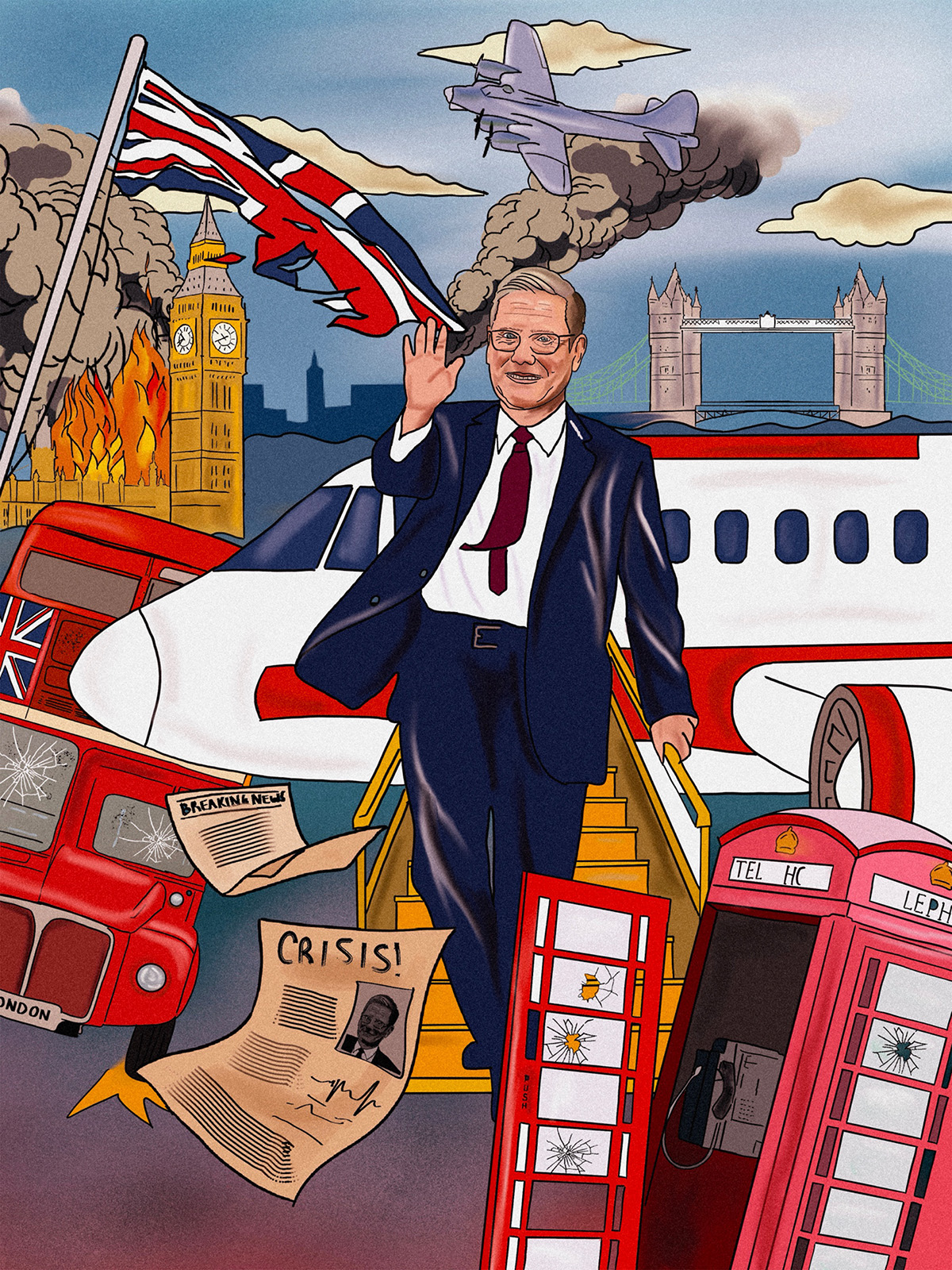

After the week Keir Starmer’s had, talks about the teetering global order should be a welcome relief.
The British PM arrives in Bavaria Friday for the Munich Security Conference having seen two of his closest aides walk out, his top man in Scotland urge him to quit, and continued rage from Labour MPs over the decision to appoint Jeffrey Epstein associate Peter Mandelson as Britain’s ambassador to the U.S.
Having staved off his immediate ouster, Starmer is now making another outing on the international stage, where his allies argue he carries genuine clout. He has so far been keen to emphasize the links he’s built with foreign leaders, including his relationship with Donald Trump and his efforts at a “reset” with the EU, as a marker of the renewed British influence that would be at risk were he challenged.
But Labour’s restive troops will take some serious convincing of this argument — and doubts remain about some of the key overseas achievements touted by the embattled prime minister.
“Starmer would’ve been a really good diplomat … He isn’t such a political actor,” Olivia O’Sullivan of foreign policy think tank Chatham House told the latest episode of POLITICO’s Westminster Insider podcast.
Tug of war
All leaders face a tug of war between their lives as statesmen and their domestic agendas, but Starmer’s has proved especially strenuous.
He came to power promising to fix Britain’s failing public services and lower the cost of living, as counseled by his then-top aide Morgan McSweeney.
When Starmer entered Downing Street, however, he defied McSweeney’s wishes by telling advisers he wanted to divide his time 50/50 between foreign and domestic affairs, unable to resist a slew of foreign visits after taking the reins.
During his first 17 months, he visited 44 countries on 37 trips out of the U.K. That included a flurry of bilateral meetings and international summits in destinations including Washington D.C., Berlin, Brussels, Rio de Janeiro, New York, Samoa, Budapest, Canada and Azerbaijan.
He followed up with high-profile visits to India and China — seen by most in his team as successful. His allies have consistently defended this approach, stressing that representing Britain in the world is one of Starmer’s most important duties and that he has made a success of it. The prime minister has sought to project maturity by building a steady relationship with the unpredictable Trump at the same time as he seeks closer ties with Europe post-Brexit.
O’Sullivan, director of the U.K. in the World program at Chatham House, said Britain is now walking “a pretty difficult tightrope” of “flattering Trump, of offering concessions where we can, but figuring out how we defend particular economic interests, but also the interests of our allies, and particularly Ukraine.”
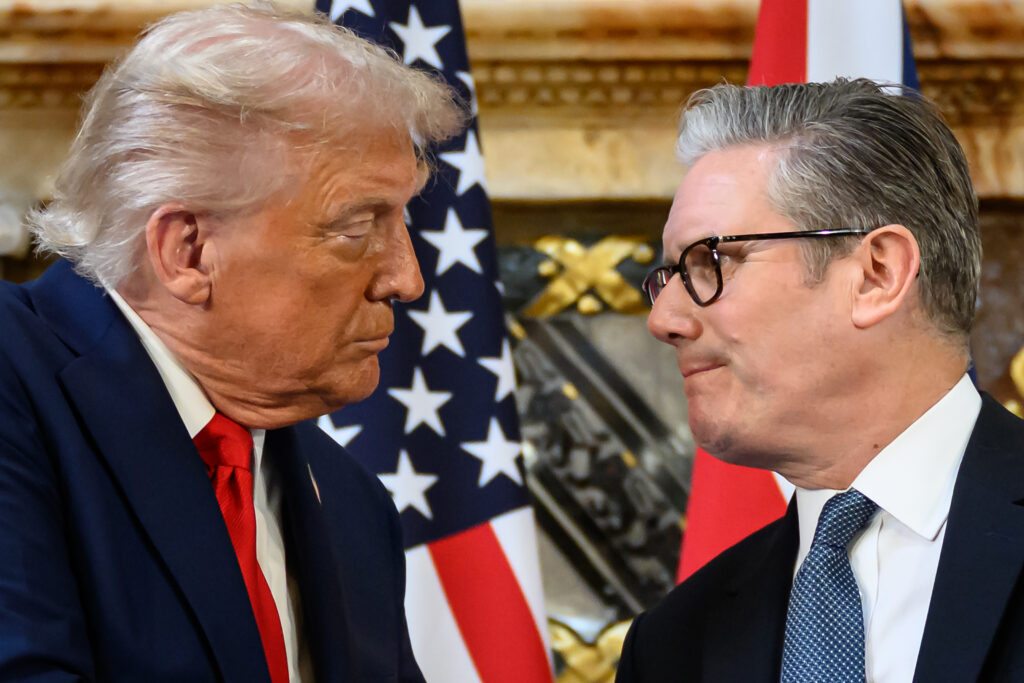
Peter Ricketts, former head of the U.K.’s diplomatic service, said the shift towards “a hyper-personalized world” demands Starmer’s presence. “Unless you are in the room with Donald Trump, you’re not influencing him,” Ricketts added.
Connecting the dots
Eighteen months on from the Labour landslide of 2024, however, Starmer’s premiership has flown into more severe difficulties at home. And it’s forcing a rethink.
An especially embarrassing climbdown over proposals to cut disability benefits partly unfolded as Starmer flew to the Hague for last year’s NATO summit. the prime minister appeared to admit he had been distracted from the issue, saying afterwards: “I was heavily focused on what was happening with NATO and the Middle East all weekend.”
There has been an effort to redraw Starmer’s priorities since the start of the year, with one adviser saying he now wants to spend 20 percent of his time on international matters and 80 percent on domestic concerns.
The opening weeks of 2026 showed just how hard this will be to achieve. His plans to talk about cutting the cost of living were immediately upended by Trump’s intervention in Venezuela and threats to Greenland.
Unable to separate himself from global affairs, Starmer has instead attempted to send a message that his missions abroad will help improve Britain’s economy and quality of life. On recent trips to Brazil, South Africa and China he has been at pains to stress that “tackling the cost of living today also means engagement beyond our borders.”
Ricketts said: “I understand the frustrations on the domestic sphere where he’s not around enough. But, heavens — the world is in a more turbulent place than I can ever remember it, and I’m glad my prime minister’s out there batting for Britain.”
One Labour MP with a trade role, granted anonymity like others in this article to discuss internal party thinking, argued that the prime minister had delivered “lots of wins” which go down well among the party faithful. They cited Trump’s softening on NATO and carveout for the U.K. on tariffs.
Key British allies overseas also say Starmer’s support for Kyiv has made a genuine difference in advocating for peace in Ukraine.
With his premiership in crisis this week, his supporters have pushed harder on that argument. “We need his leadership not just at home but on the global stage, and we need to keep our focus where it matters, on keeping our country safe,” Foreign Secretary Yvette Cooper posted amid a threat to his leadership this week.
In his first public appearance since Monday’s public challenge to him, Starmer trumpeted the need to “stand tall” on the international stage.
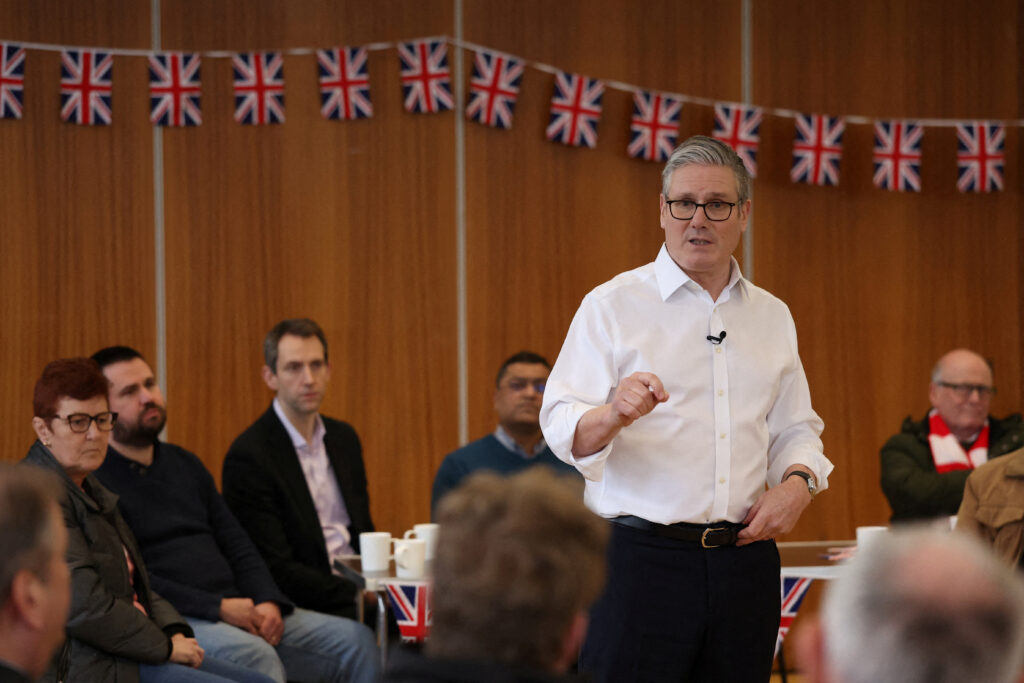
“Delivering for Britain means acting at home and abroad — not choosing between them,” a Downing Street spokesperson said in a statement to POLITICO. “The record speaks for itself: world‑first trade deals, major migration agreements, and defense contracts supporting thousands of UK jobs – real results for the British people.”
Least-worst scenarios
For all the boosting of Starmer’s achievements, however, some of his supposed negotiating triumphs have diminished with time.
The U.K.’s deal with the U.S. on tariffs has been hard to nail down, and Starmer’s much-hyped trip to China was followed by Hong Kong pro-democracy campaigner Jimmy Lai’s sentencing to 20 years in jail.
Substantive deals with the EU on youth mobility, food standards and even the low-hanging fruit of defense cooperation have also proved elusive.
As O’Sullivan put it, Starmer has “managed to land us in the least-worst scenario on some of these issues.”
A former No.10 official said: “I baulk at the idea that Britain is back on the international stage. All this becomes thin pretty soon — you can position well but the substance of it isn’t that different.”
There is a downside to Starmer’s foreign diplomacy when it comes to his standing with his own restive party and the country at large, too.
The PM has long faced accusations that he is distant, both literally and figuratively, when it comes to his colleagues. Labour figures warn that he simply does not have the political space to make an argument about the link between statesmanship and living standards to angry voters.
“Part of the reason he’s getting this criticism is because he’s doing so badly in polls… but the justification he’s using is not a good one,” says a second former adviser.
“It’s retrofitting, because he wanted to spend a lot of time abroad. People aren’t going to believe spending time with Trump will help the cost of living.”



Follow