


BRUSSELS — European officials cautioned that major challenges remain after Donald Trump abruptly U-turned on his threat to impose tariffs on countries supporting Greenland.
The U.S. president said on social media that after forming “the framework of a future deal” on the Arctic territory with NATO Secretary General Mark Rutte the punitive measures would not come into effect on Feb. 1, as he’d previously warned.
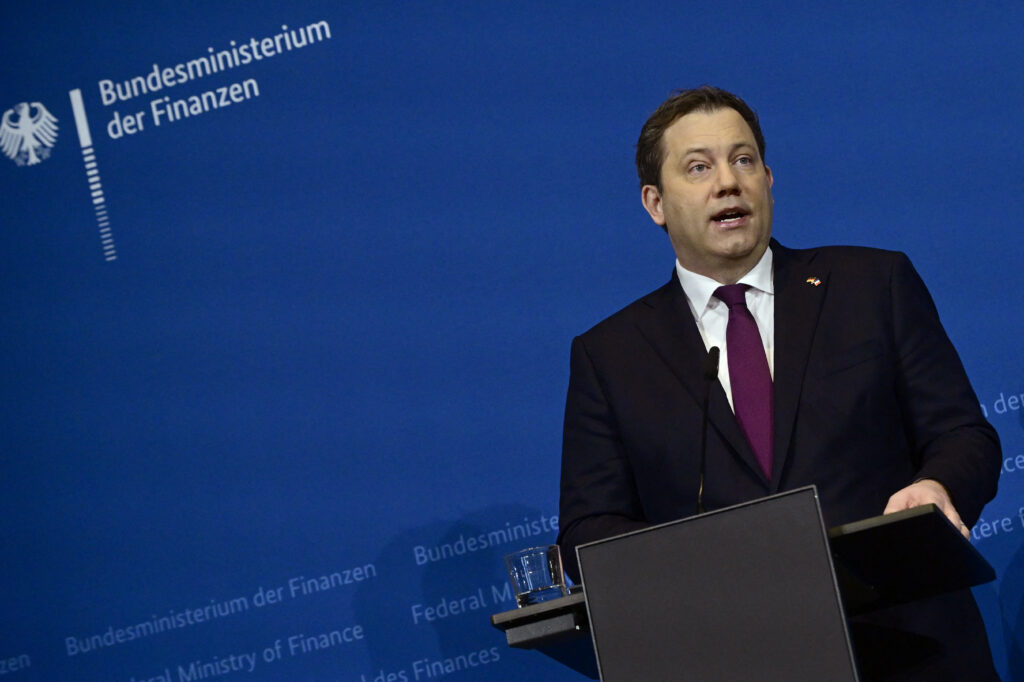
But it’s too early to conclude that the looming spat between the U.S. and the EU is over, Germany’s Vice Chancellor Lars Klingbeil said.
“After the back and forth of the last few days, we should now wait and see what substantive agreements are reached between Mr. Rutte and Mr. Trump,” Klingbeil told German broadcaster ZDF. “No matter what solution is now found for Greenland, everyone must understand that we cannot sit back, relax, and be satisfied.”
An EU official directly involved in the negotiations in recent days said “I would be skeptical about calling this fantastic news. We cannot live our lives or govern our countries based on social media posts.”
EU leaders are set to meet Thursday evening to discuss Europe’s response to the U.S. president’s escalation over Greenland. That summit is still going ahead.
“A lot has happened since the start of the year, it’s a good idea for these leaders to sit together and discuss the [volatile] world we live in,” the EU official said.
Regardless of the reversal on trade threats and apparent Greenland deal, Trump’s speech in Davos “will give food for thought in most if not all capitals, tariffs or not,” another EU official said.
The purpose of the summit remains to discuss transatlantic relations, a third EU official said. “The question of tariffs is off the table but Greenland is still on the table, transatlantic relationship is still an issue.”
Trump had vowed to hit countries supporting Denmark in its defense of Greenland with a 10 percent tariff from Feb. 1, with the levy on European exports set to rise from June 1. The countries affected included Germany, France, the Netherlands, Sweden and Finland, the U.K and Denmark.
A NATO diplomat, meanwhile, laid the praise for the apparent U-turn at the door of the secretary-general, who has struck up a close personal relationship with Trump: “Mark Rutte is doing his job: being listened to by the president of the United States.”
Seb Starcevic, Nette Nöstlinger and Gerardo Fortuna contributed reporting.


Follow