

Sunday, 25 January, 2026
London, UK
Sunday, January 25, 2026 5:07 AM
broken clouds 7.2°C
Condition: Broken clouds
Humidity: 93%
Wind Speed: 13.0 km/h

How Soviet soldiers became the latest casualties of Russia’s war on Ukraine

How Soviet soldiers became the latest casualties of Russia’s war on Ukraine

The World War II fallen Moscow won’t claim — and Latvia can’t lay to rest.

Text and photos by
BENJAMIN MACK-JACKSON
in Riga

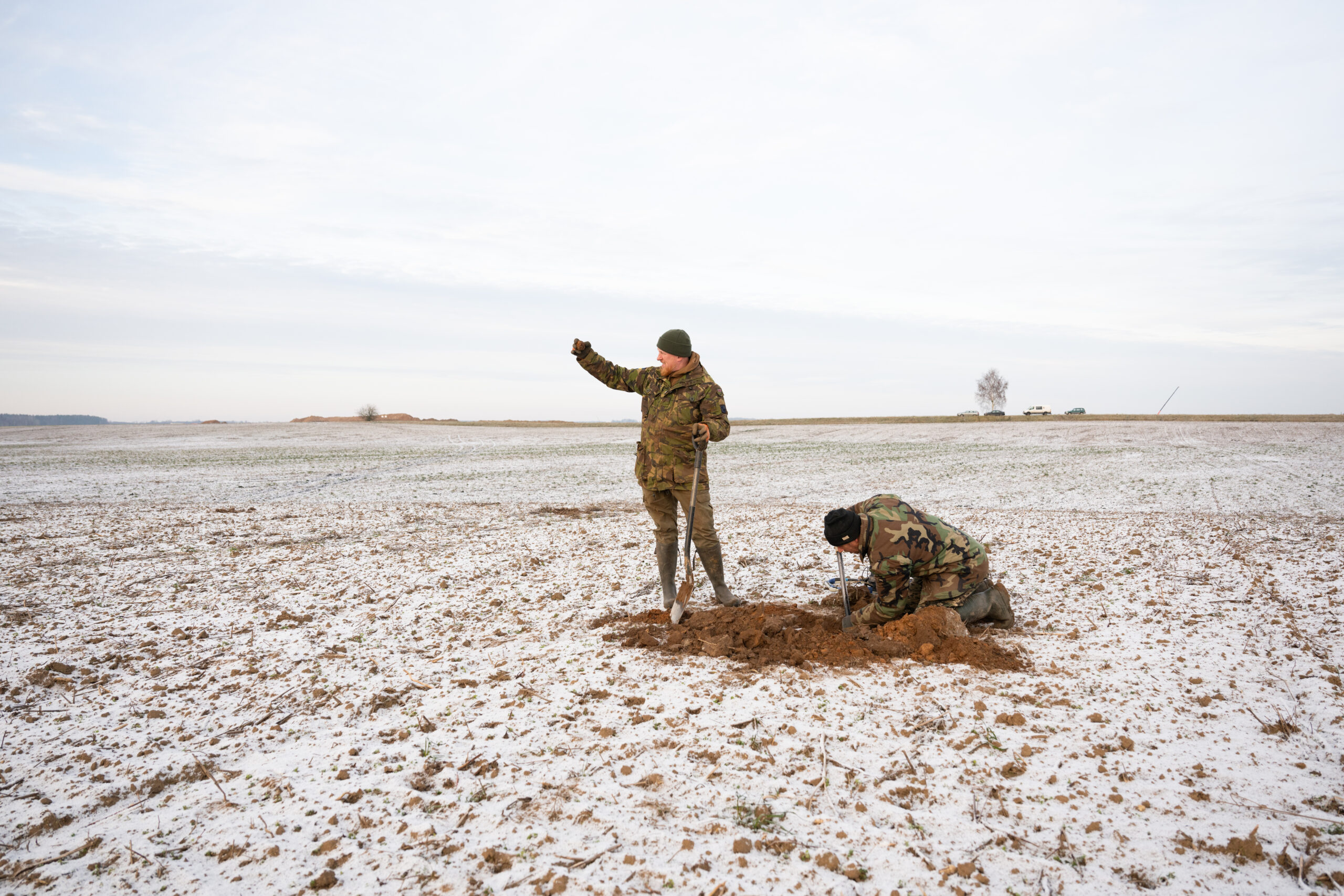
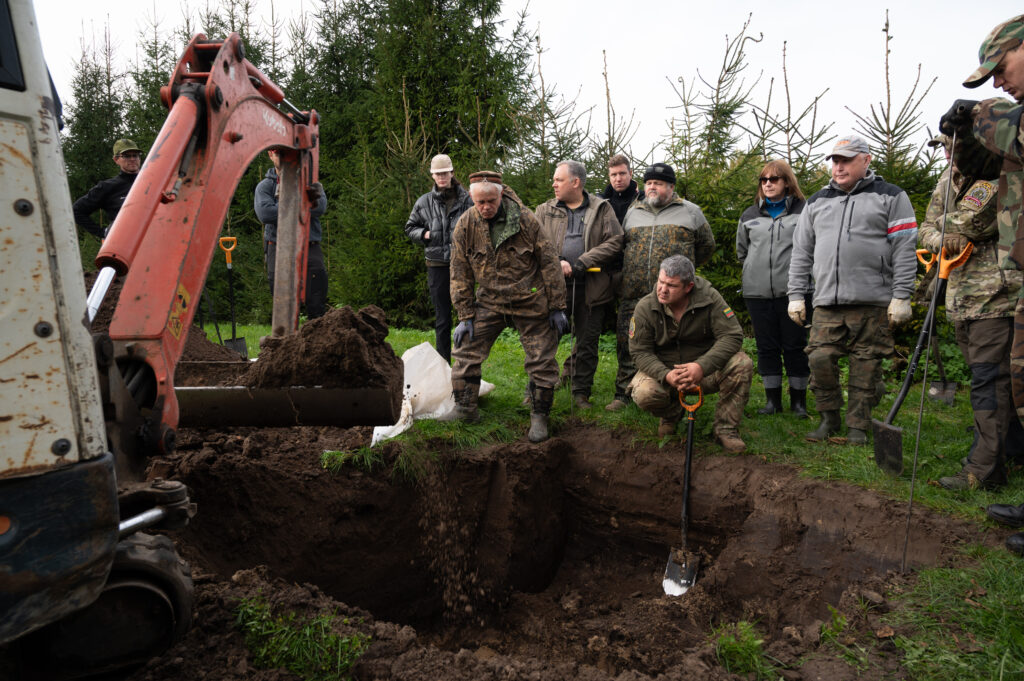
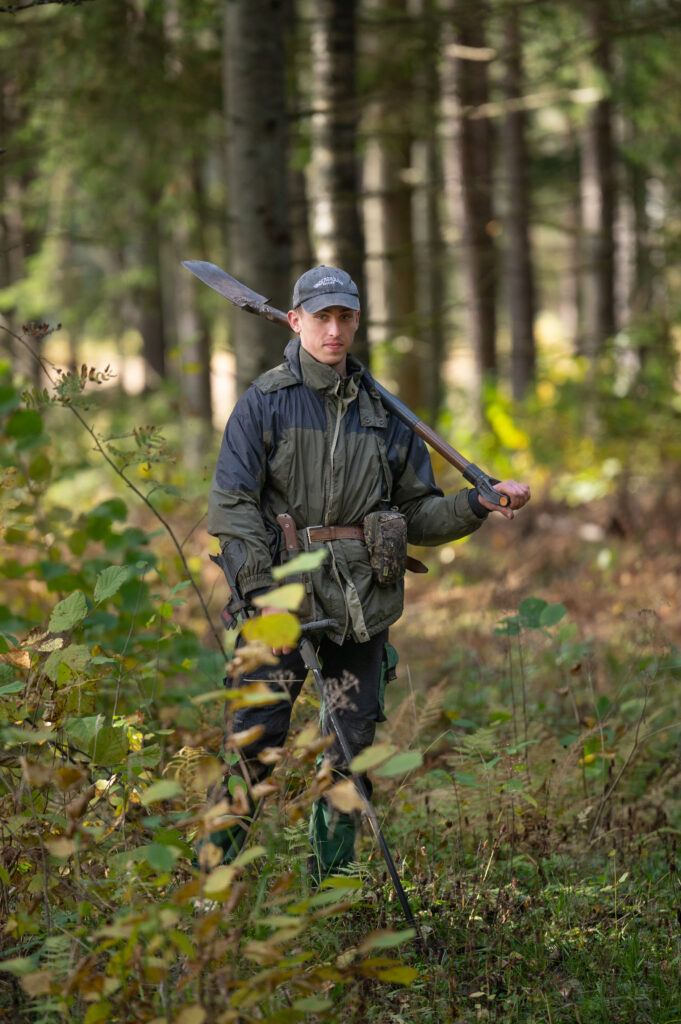
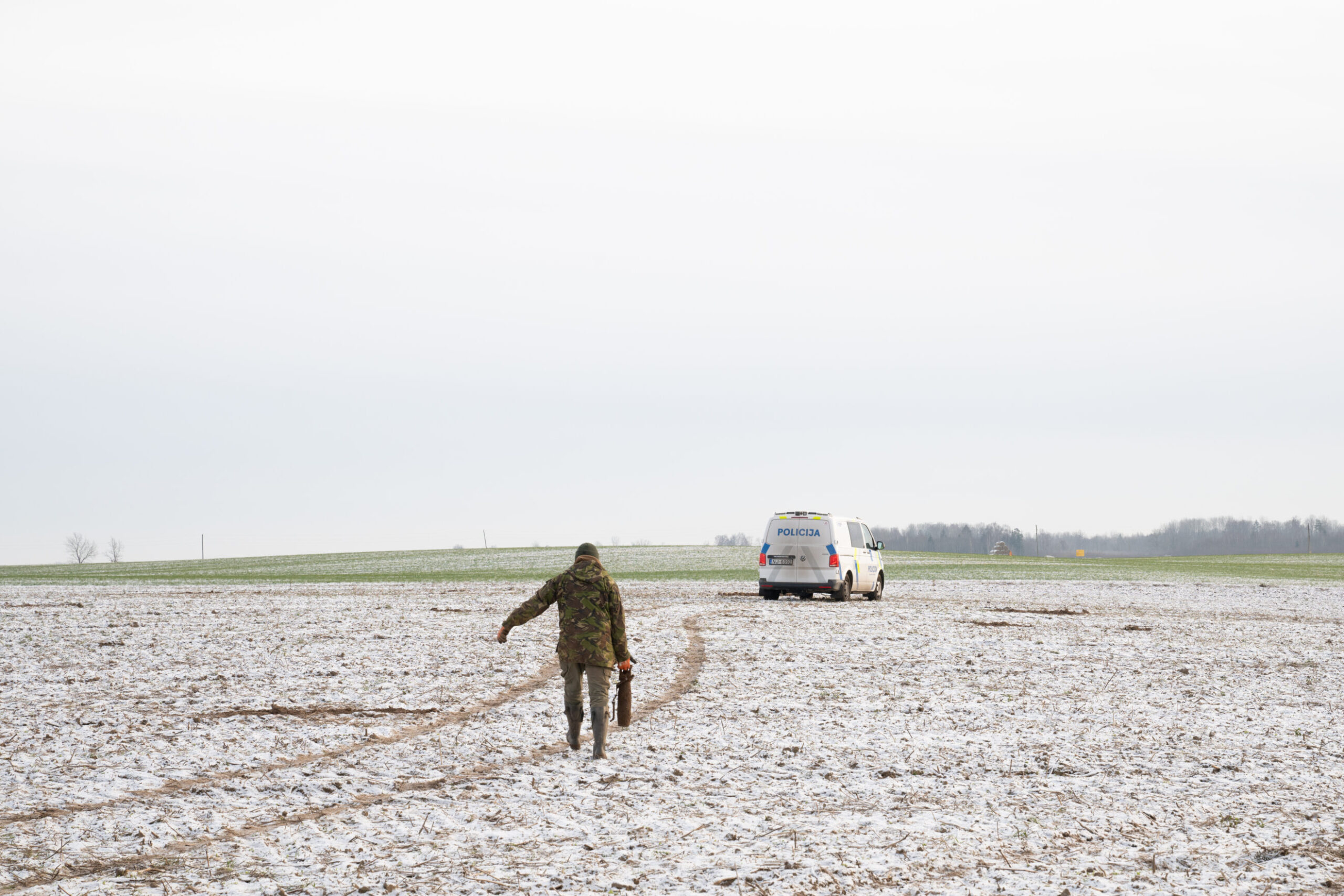
Only the dead, it’s often said, have seen the end of war. In Latvia, thousands of Soviet soldiers killed in World War II are still waiting for that certainty. In a field outside Priekule, in the country’s rural Courland region, volunteers from Legenda Military Archaeology fan out across the soil in search of the missing. The group — an international network of enthusiasts and supporters — has spent years recovering the remains of the fallen from World War II and providing them a proper burial.

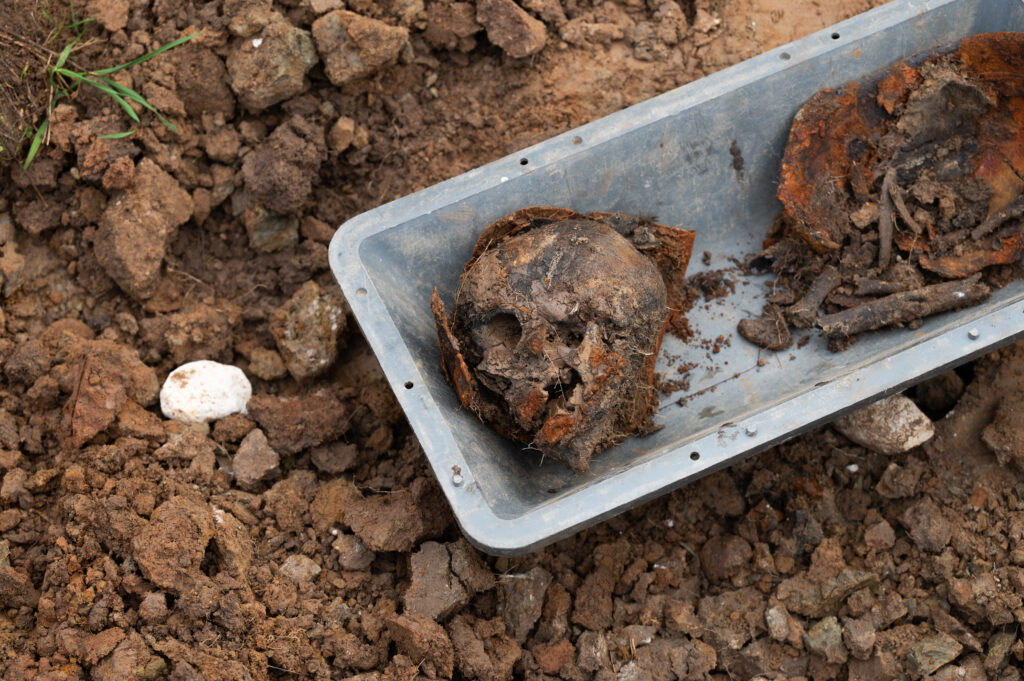
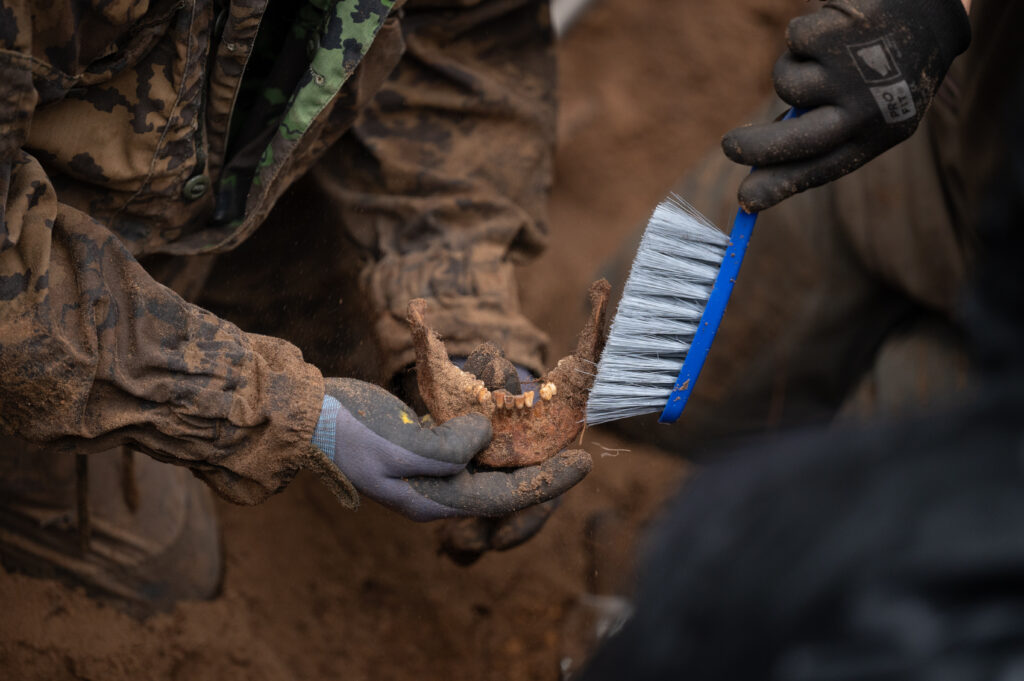
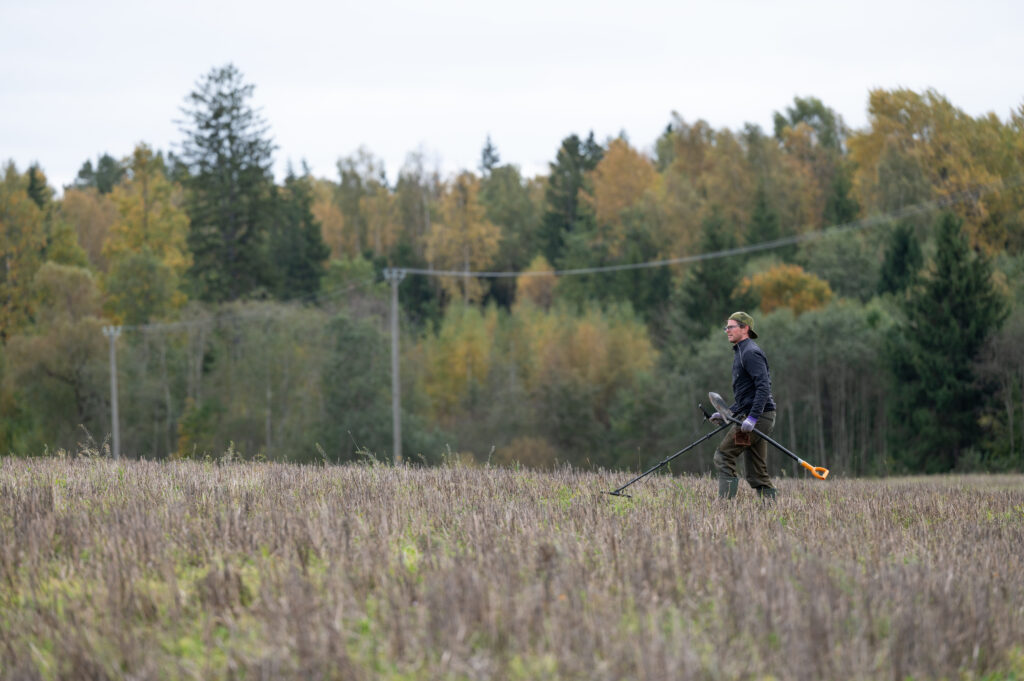
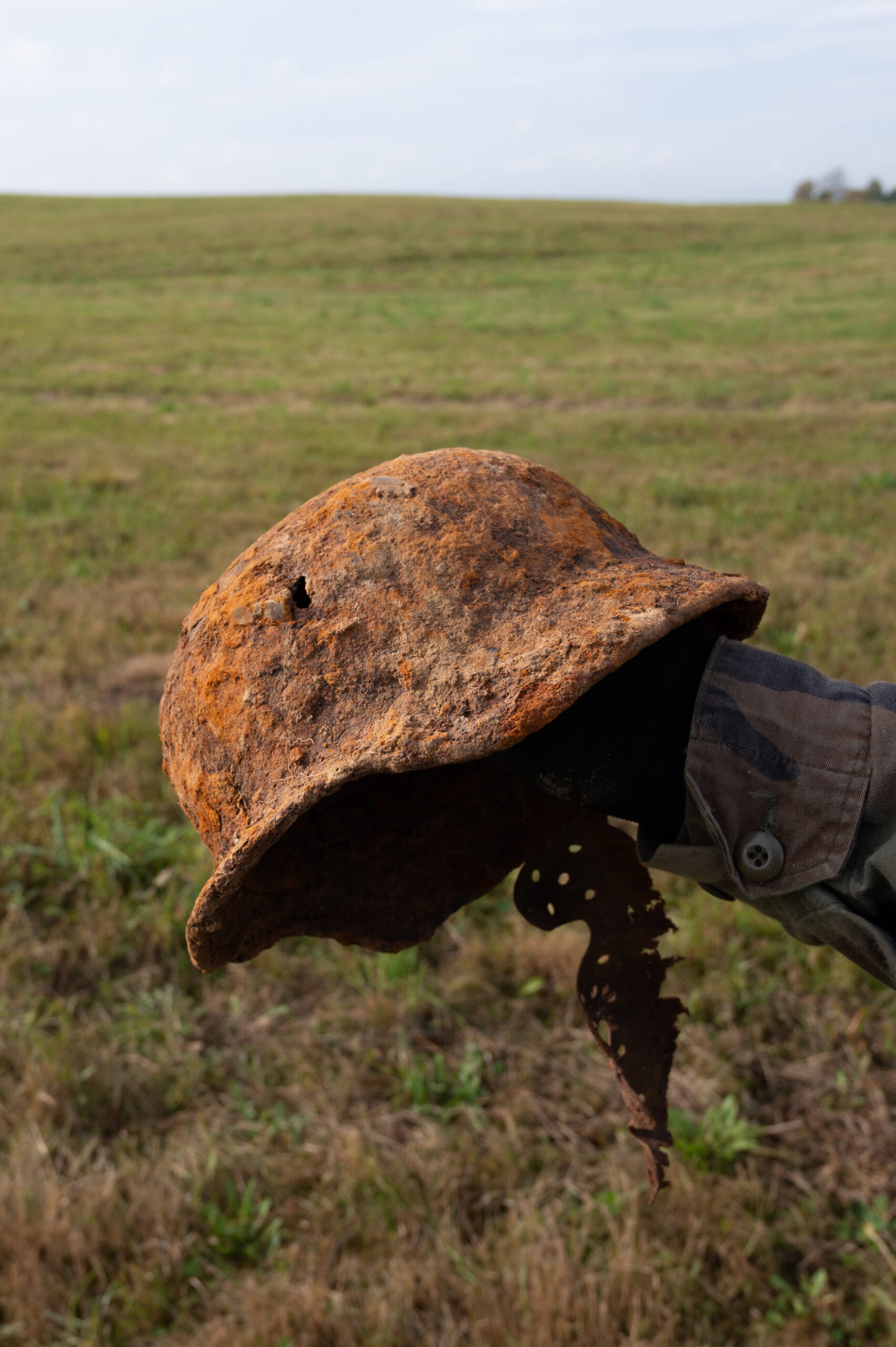
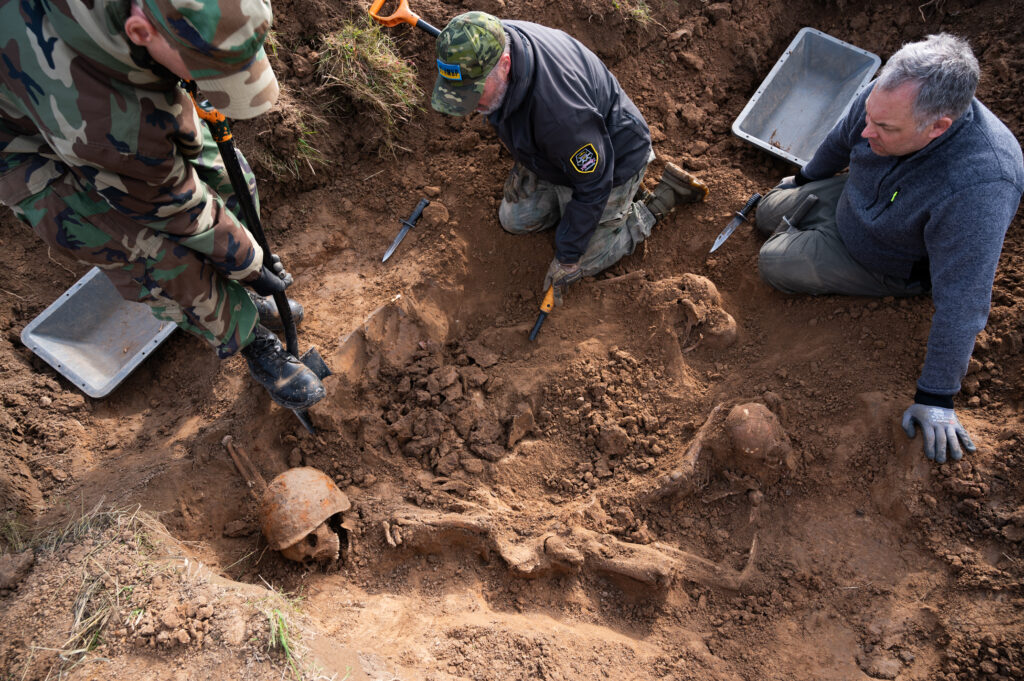
On a chilly morning, the volunteers sweep the ground with metal detectors, acting on a tip from a landowner. The devices hum constantly: spent bullets, twisted shrapnel, fragments of ordnance. Then a shout goes up across the field. A rusted Soviet helmet has appeared in the churned earth. The diggers kneel and clear away soil until a jawbone emerges, followed by the full skeleton of a soldier who died here more than 80 years ago.


Advertisement

document.dispatchEvent(new CustomEvent( “renderAd”, {
detail: “instory_51”
}));

Until recently, this discovery would have set in motion a familiar bureaucratic chain, ending with remains repatriated to Russia or interred in a Soviet military cemetery in Latvia. But now the diggers stop with a different understanding. This soldier is not going anywhere. The war that killed him ended generations ago; the war that keeps him from resting peacefully began on February 24, 2022.

Russia’s full-scale invasion of Ukraine has frozen the system for transferring Soviet war dead to the Russian Federation, the legal successor to the Soviet Union. Moscow no longer responds to notifications. Latvian authorities no longer receive instructions. As a result, thousands of recovered bodies remain in limbo — unclaimed by Russia, unburied by Latvia and trapped in a conflict that did not exist when these soldiers died.
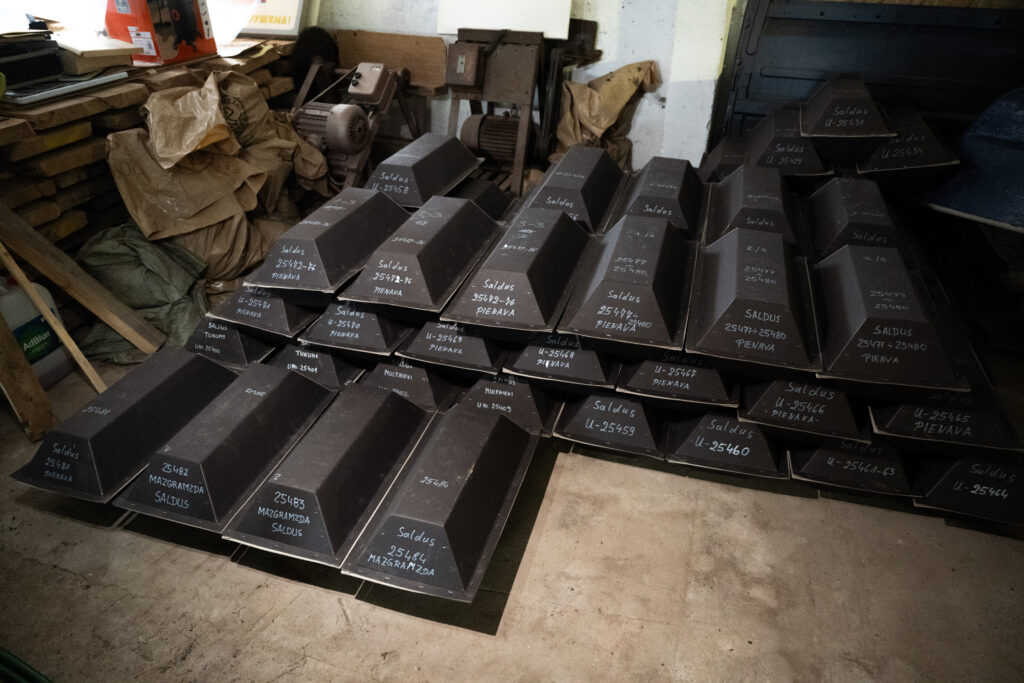
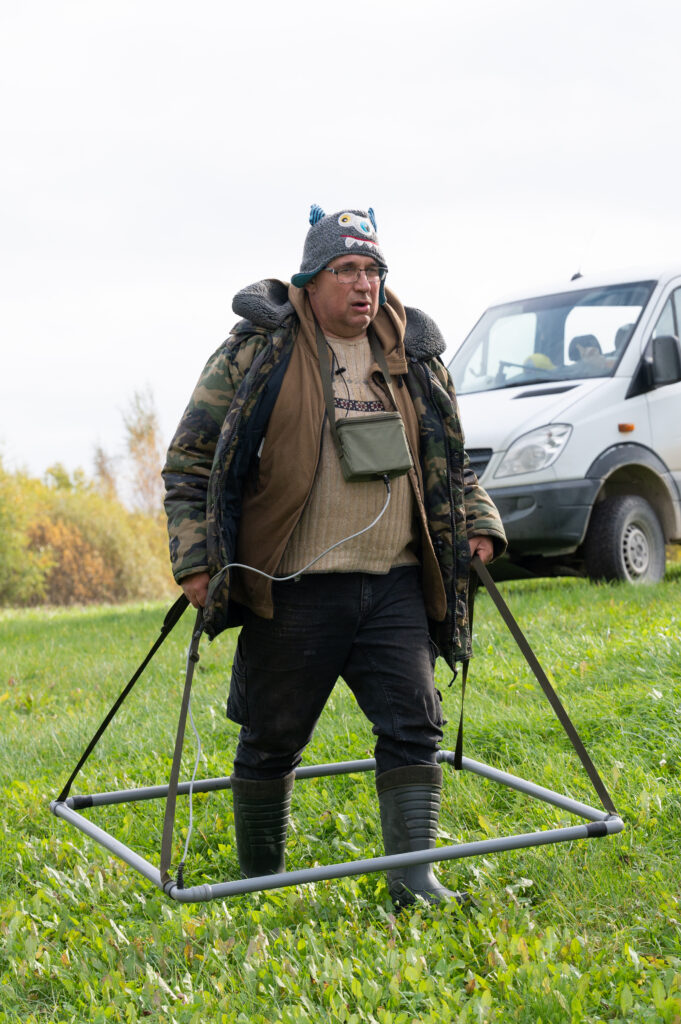
The departed: Tālis Ešmits, 61, seen above, is the founder of Legenda Military Archaeology. When his volunteer group finds the remains of German Army soldiers in Latvian soil, it stores the bodies in small black coffins (top) and regularly buries them with guidance from the German War Graves Commission. Remains of Soviet soldiers are a different story. Ešmits estimates that since the Russians cut ties in 2022, Legenda has recovered the remains of more than 3,000 Red Army soldiers that Moscow refuses to take. What to do with them remains an open question.

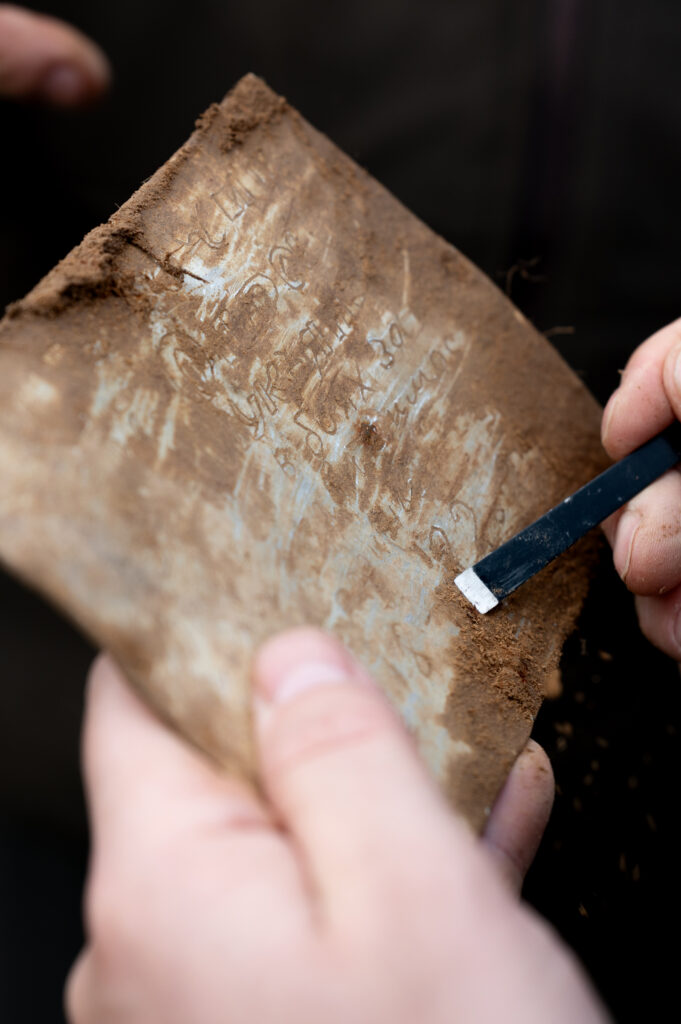
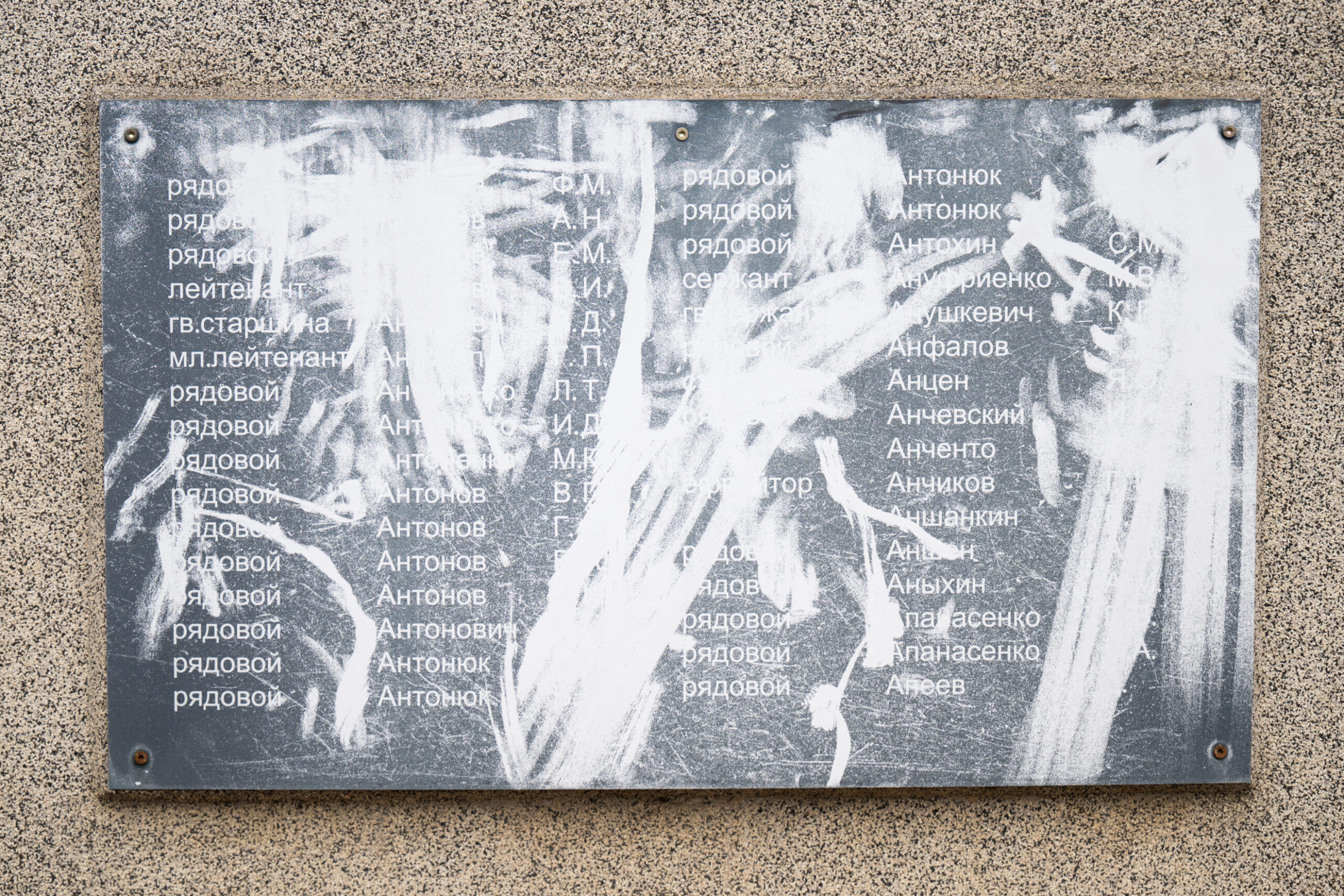
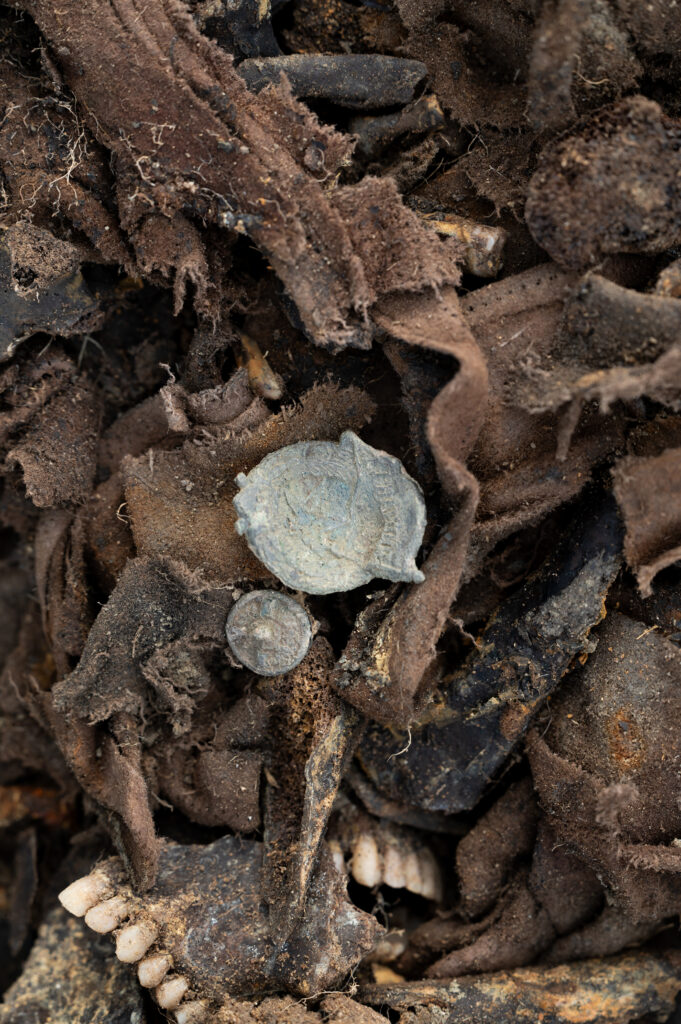
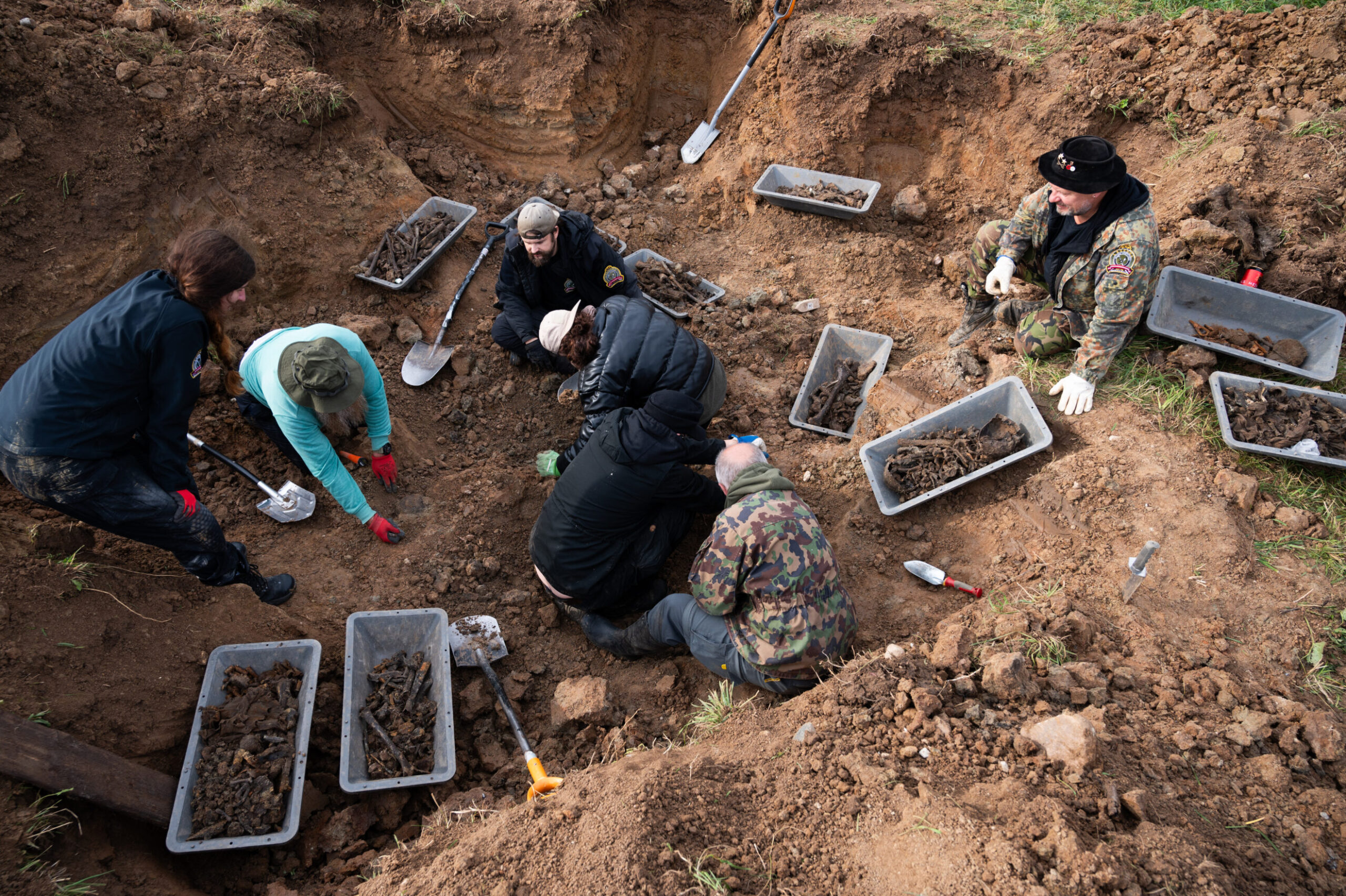
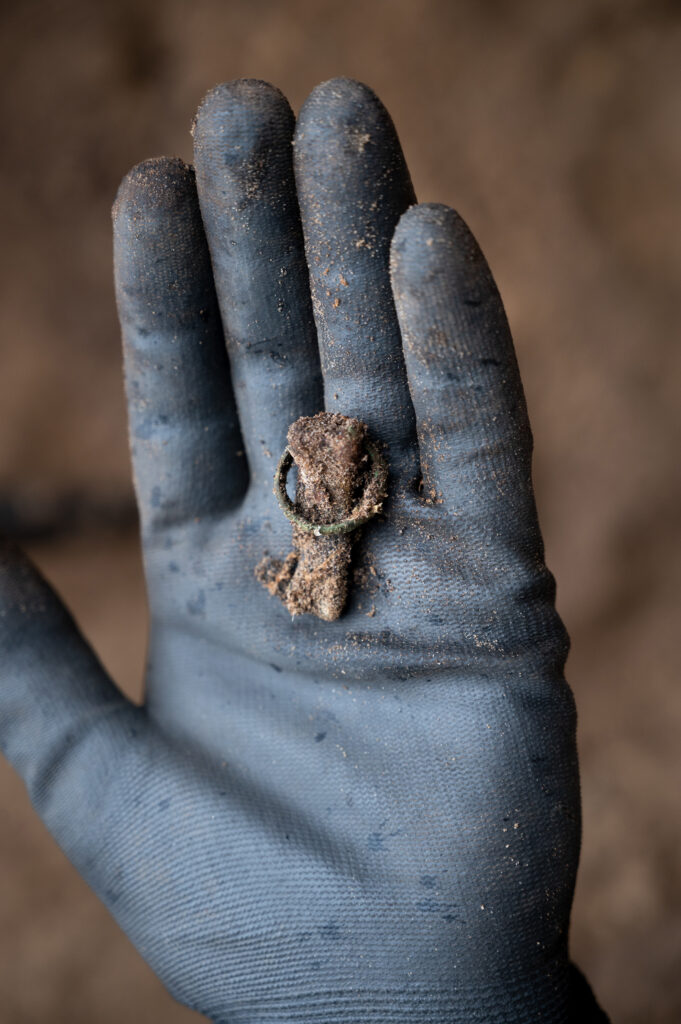
Aftermath: Western Latvia’s Courland region still bears the scars of one of World War II’s most brutal battlegrounds. From late 1944 to Germany’s surrender in May of 1945, Soviet forces encircled nearly 300,000 German soldiers here, in what would become known as the Courland Pocket. Fighting was relentless, with tens of thousands of casualties on both sides. Many of those who perished were never recovered and are deemed “missing in action” to this day. Due process: When a body is found, it’s carefully exhumed and placed in a plastic bag. Anything found on or near the body — medals, insignia, rings, watches — stays with the bones. Unlike the German soldiers that Legenda recovers, Red Army soldiers did not carry identification discs that can be traced in archival records. As a result, putting a name to the body is often quite difficult. Sometimes makeshift plaques or markers are found near a body, acting as temporary grave markers with details about the soldier and when they died. However these objects are often found above mass graves that can contain dozens of soldiers.
Backyard surprise: Viktors Duks, 56, one of Legenda’s founding members, got involved after finding several Soviet soldiers buried on his countryside property. “In 1994, I contacted the Russian Embassy, but they said they weren’t interested,” he said. “They told me all their soldiers were already buried. I didn’t know what to do with the soldiers buried in my yard.” His dilemma wasn’t unique. Across Latvia, others were searching for answers too, leading to the formation of Legenda. Task force: The group employs the same methods that civilian cemeteries use to exhume bodies. Ešmits says it’s the only way that they will be able to make an impact. Today, Legenda has dozens of eager volunteers from across the European Union, the United Kingdom or the United States. Most have no professional archaeological experience. Above, Krzysztof Gernand, 23, one of Legenda’s youngest members. He travels to Latvia from Poland for the organization’s international expeditions. “I simply haven’t met people from all over the world who were so close-knit, so united, and did their work out of passion, not for money,” he said. “There is no other solidarity like this.”

Advertisement

document.dispatchEvent(new CustomEvent( “renderAd”, {
detail: “instory_52”
}));

Past lives: Much of why history is so visible and divisive in Latvia lies in its experience of two occupations. The Soviet Union invaded and annexed Latvia in 1940. Nazi Germany’s invasion a year later was seen by many Latvians as a liberation, only for the new arrivals to impose their own brutality. When the Red Army returned throughout 1944 and 1945, most Latvians saw it as a renewed occupation, not a liberation — a view sharply at odds with Moscow’s triumphant mythology. Since regaining independence from the Soviet Union in 1991, Latvians have worked to rebuild a truthful account of the war, free from Soviet censors.
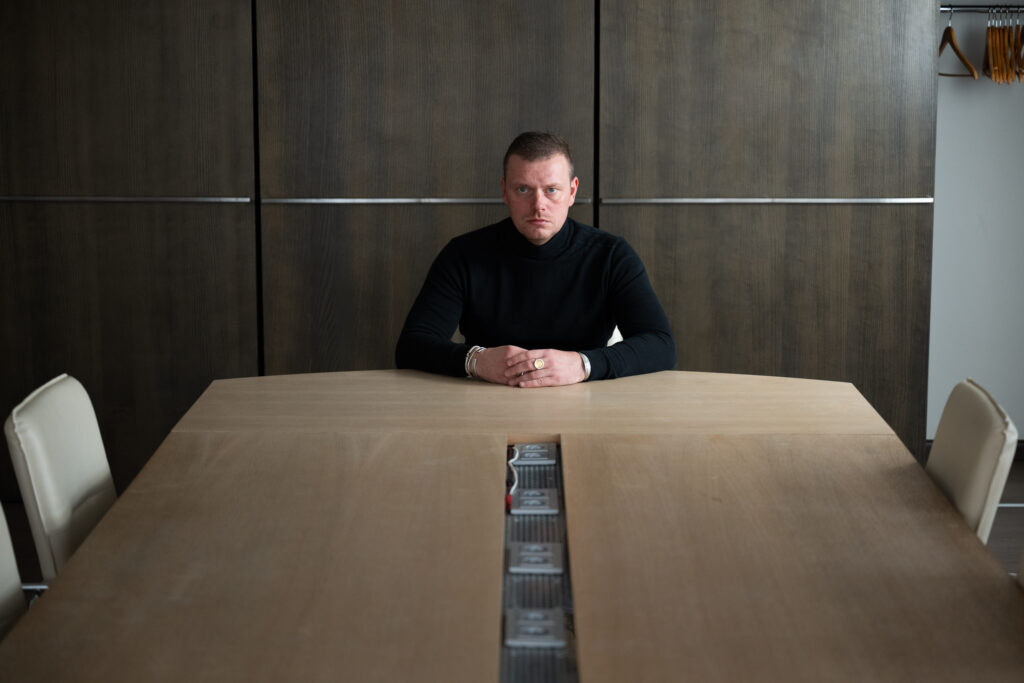
Resentment: Roberts Sipenieks, above, a council member in Saldus, a city at the heart of the Courland region, believes that Russia is effectively engaged in a hybrid war with Latvia. “We don’t have any illusions about Russia,” he said. “Maybe somewhere in the Western world, especially in the United States, some people have illusions that they could change and somehow end this war now. They are naive about Russia. They don’t know Russia.”
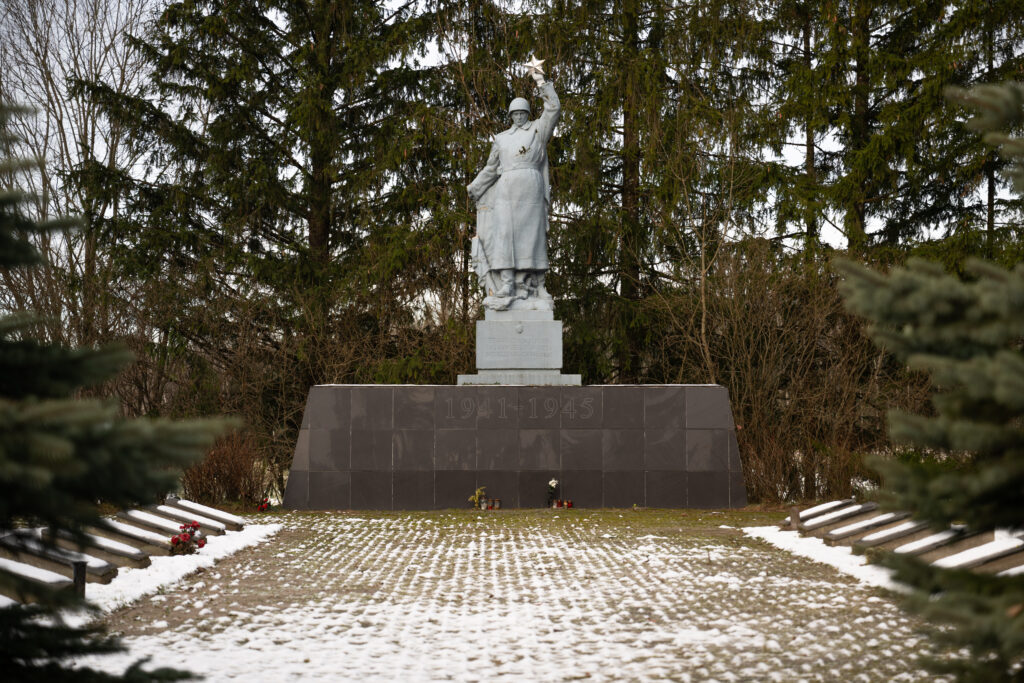
Memories: When Latvia was under Soviet control, numerous political and military monuments were erected that glorified the regime and the Red Army. Many are now being removed.  Legacy: “The war in Ukraine revived collective memories of past Soviet occupation among many Latvians,” said Jānis Tomaševskis, historian of the War and Military History Research Section at The Latvian War Museum. “As a result, political elites and public institutions have framed Russia’s aggression not only as an attack on Ukraine — but as part of a broader Russian imperial legacy that also victimized the Baltic states.”

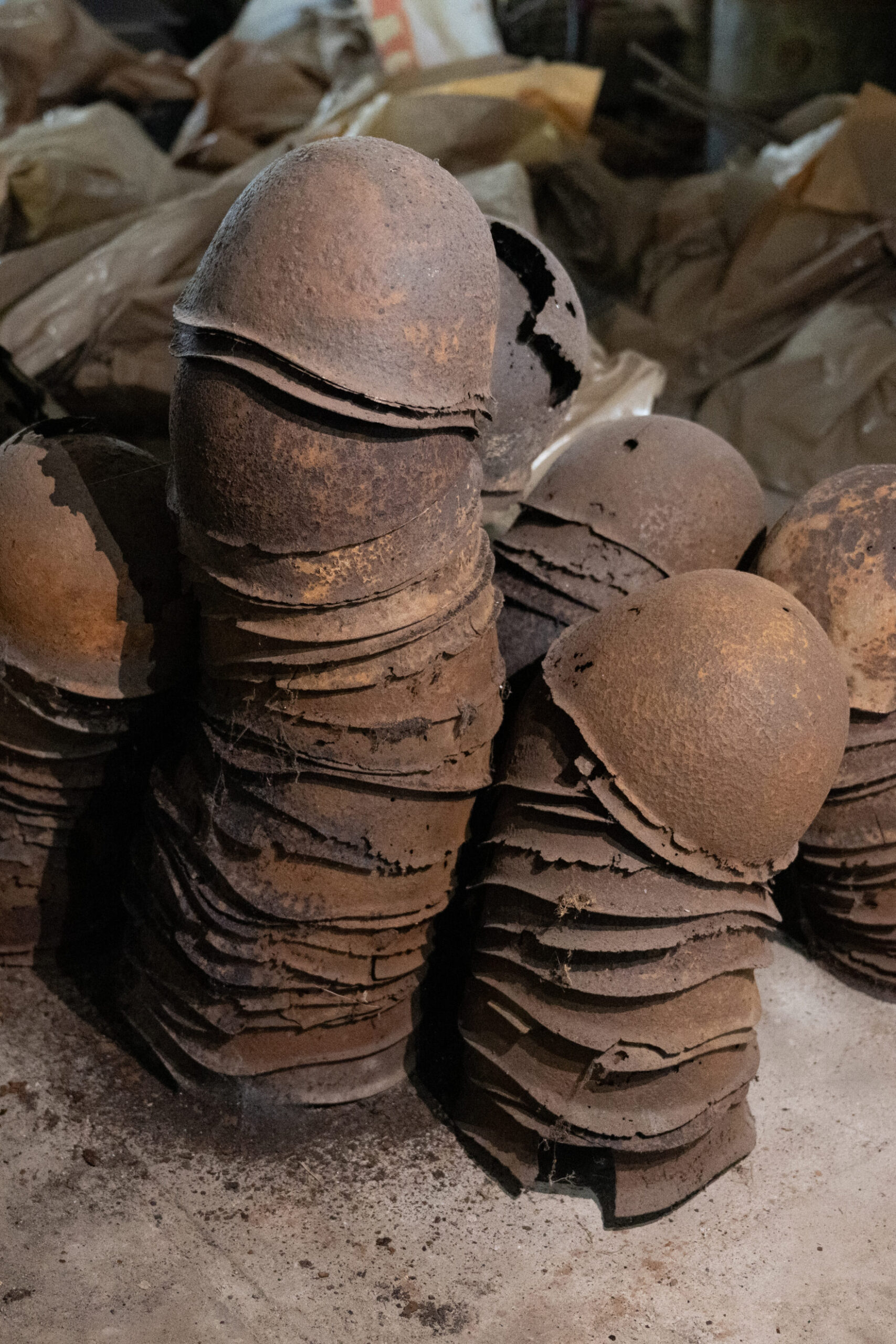
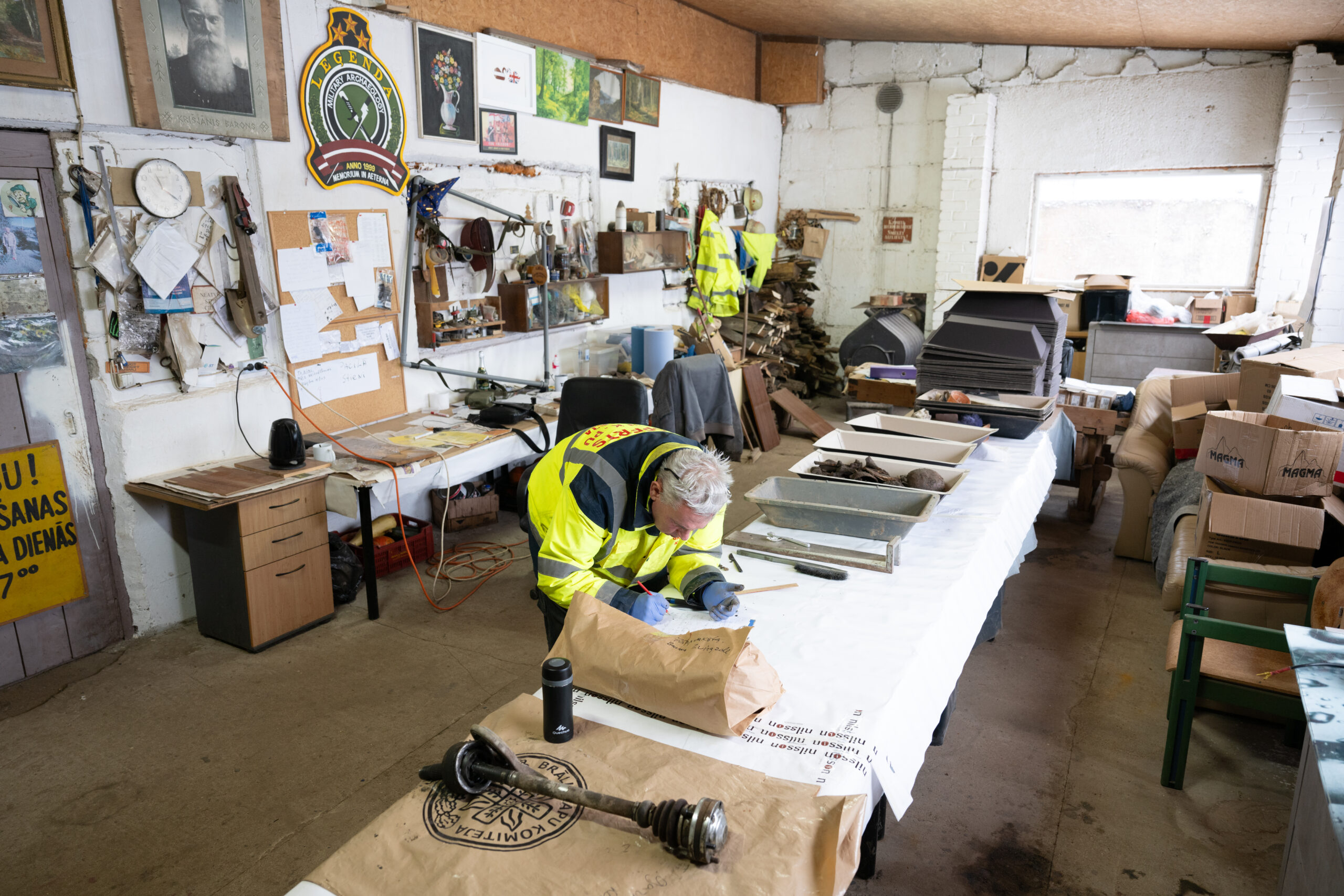
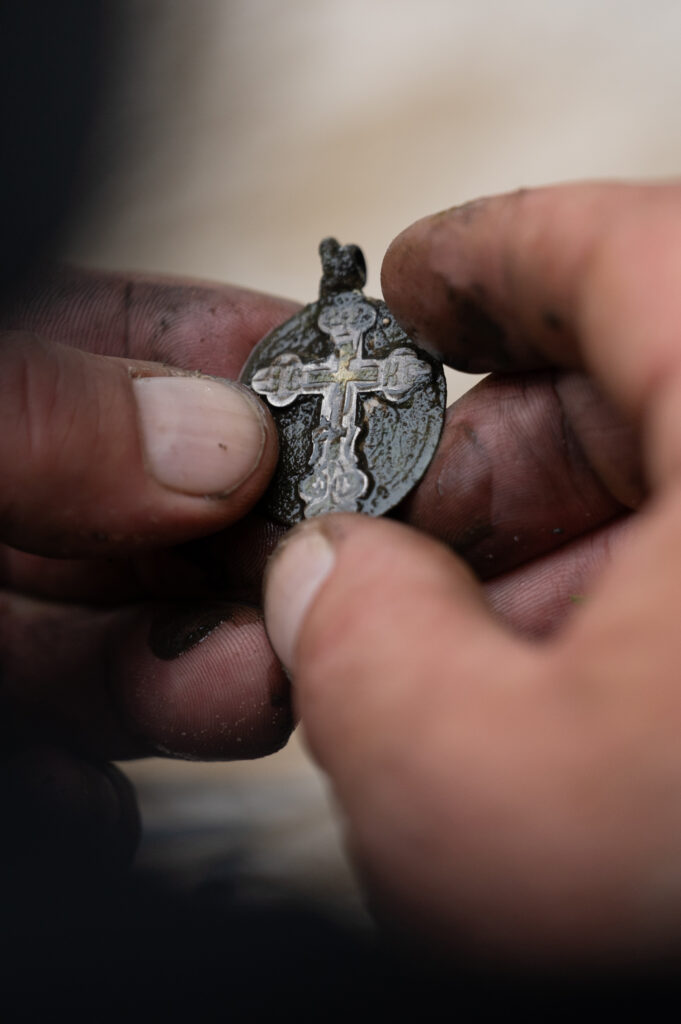
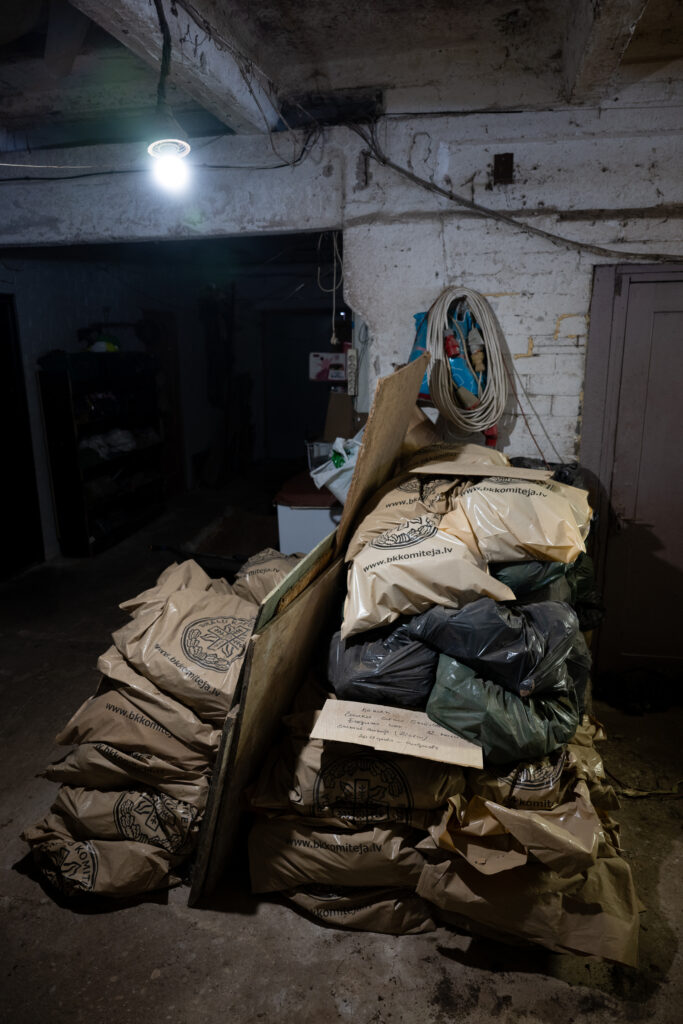
Storage: Since 2022, the question of what to do with the remains of Soviet soldiers has been unresolved. Enter the “Bone Depot,” as the Legenda team likes to call it. On a small farm in rural Latvia, a large barn houses the remains that are in limbo, waiting to be buried or repatriated. It’s no state-of-the-art facility, but it’s the best Legenda volunteers can muster. Once an expedition is complete, the bagged bodies are transported here to be inventoried and examined. Femurs and clavicles are measured, teeth are cleaned to look for dental work, and the cranium is examined. Detailed notes are made and kept with the body. When the time comes, such information could prove vital to identifying the soldier. Below, a volunteer looks at a medallion from World War I. Next, a Red Army badge from World War II.

Advertisement

document.dispatchEvent(new CustomEvent( “renderAd”, {
detail: “instory_53”
}));

The
future
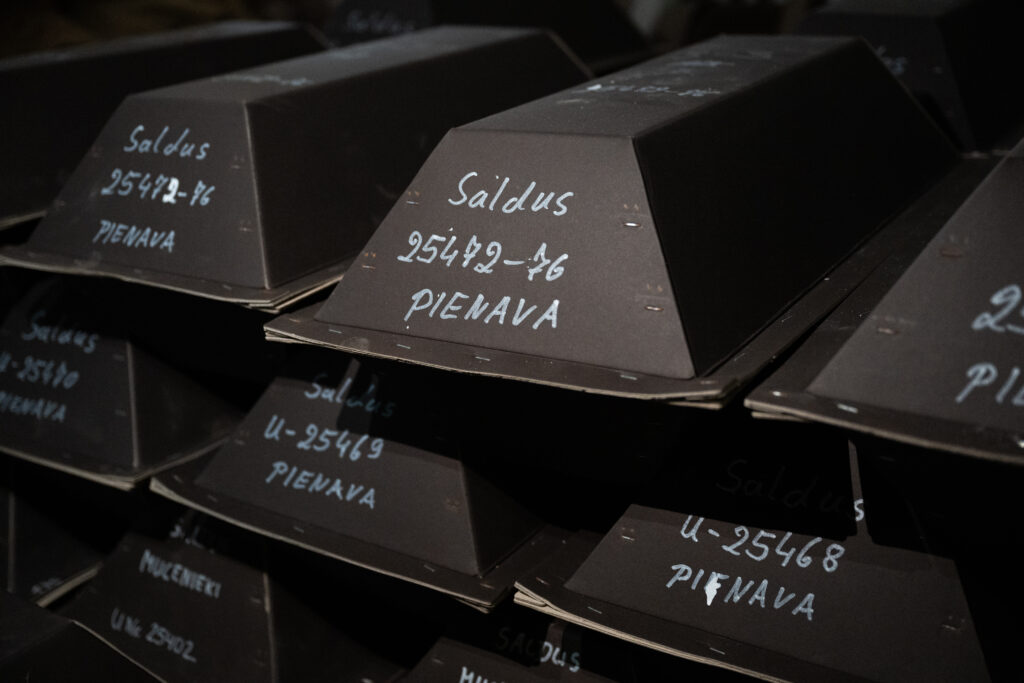
Classified: At Legenda’s “Bone Depot,” stacks of bagged bodies containing the remains of Soviet soldiers (right), and small coffins with the remains of German soldiers, are spread throughout the barn. They are separated based on when and where the remains were uncovered or what unit of the Red Army or German Army they were likely serving in when they were killed. By the numbers: “The numbers say that up to 500,000 soldiers died during the two world wars on Latvian territory,” explained Ešmits. “But fewer than half of them ended up in cemeteries.” Since Legenda Military Archaeology was founded in 1999, they have recovered an estimated 25,000 fallen soldiers. An estimated 20,000 have received a proper burial on Latvian soil or were repatriated to their countries of origin.

Carry on:  While the fate of the remains of thousands of Red Army soldiers has yet to be determined, Ešmits, Legenda’s founder, says the politics of today matter less than the humanity of the soldiers he recovers. “Humans are humans,” Ešmits said. “We have to show care and respect to the dead … I come from a family of Latvian farmers,” he explained. “You start working on one side of the field, and no matter what, you finish on the other side.”
Closure: “Most of these soldiers were conscripted against their will,” Ešmits said. “And their fate was to die in Latvia.”

LP Staff Writers

Writers at Lord’s Press come from a range of professional backgrounds, including history, diplomacy, heraldry, and public administration. Many publish anonymously or under initials—a practice that reflects the publication’s long-standing emphasis on discretion and editorial objectivity. While they bring expertise in European nobility, protocol, and archival research, their role is not to opine, but to document. Their focus remains on accuracy, historical integrity, and the preservation of events and individuals whose significance might otherwise go unrecorded.

Categories

Follow

    Newsletter

    Subscribe to receive your complimentary login credentials and unlock full access to all features and stories from Lord’s Press.

    As a journal of record, Lord’s Press remains freely accessible—thanks to the enduring support of our distinguished partners and patrons. Subscribing ensures uninterrupted access to our archives, special reports, and exclusive notices.

    LP is free thanks to our Sponsors

    Privacy Overview

    Privacy & Cookie Notice

    This website uses cookies to enhance your browsing experience and to help us understand how our content is accessed and used. Cookies are small text files stored in your browser that allow us to recognise your device upon return, retain your preferences, and gather anonymised usage statistics to improve site performance.

    Under EU General Data Protection Regulation (GDPR), we process this data based on your consent. You will be prompted to accept or customise your cookie preferences when you first visit our site.

    You may adjust or withdraw your consent at any time via the cookie settings link in the website footer. For more information on how we handle your data, please refer to our full Privacy Policy