



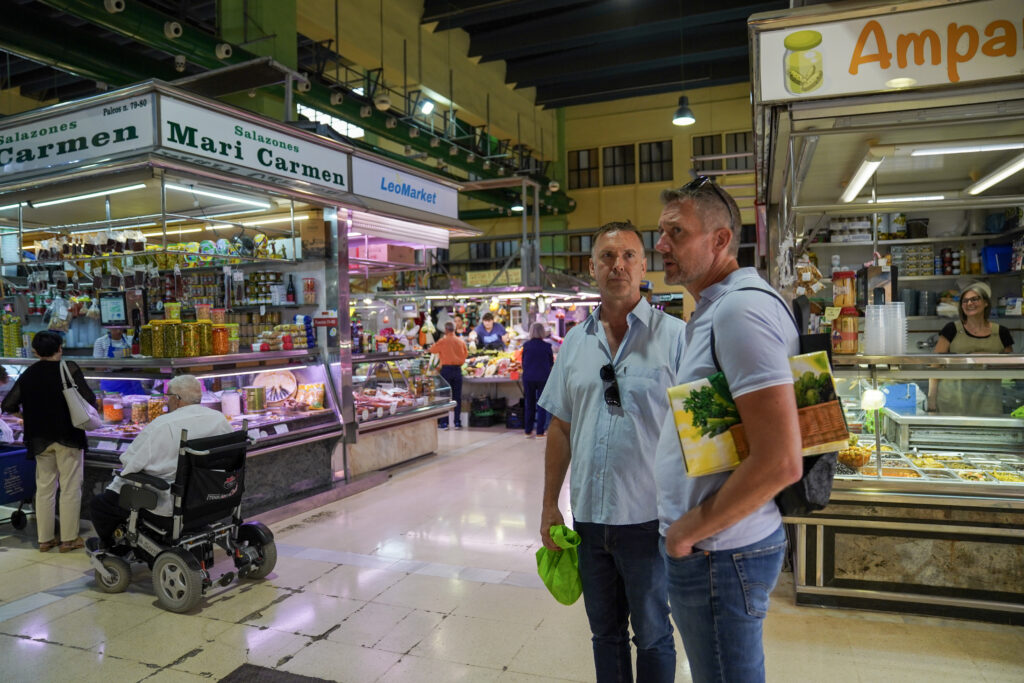

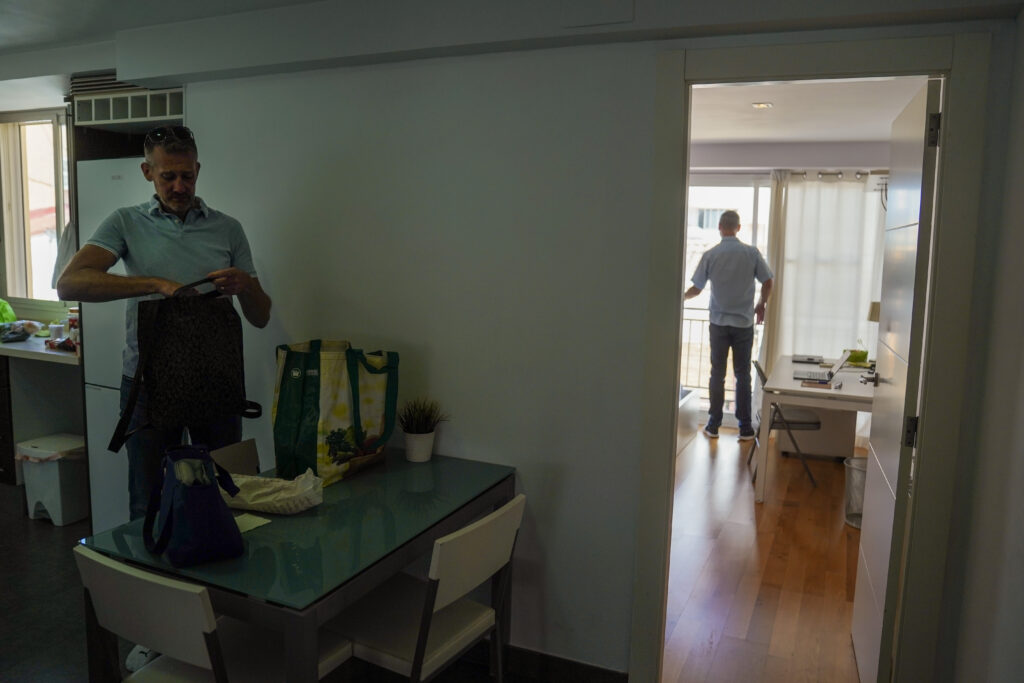
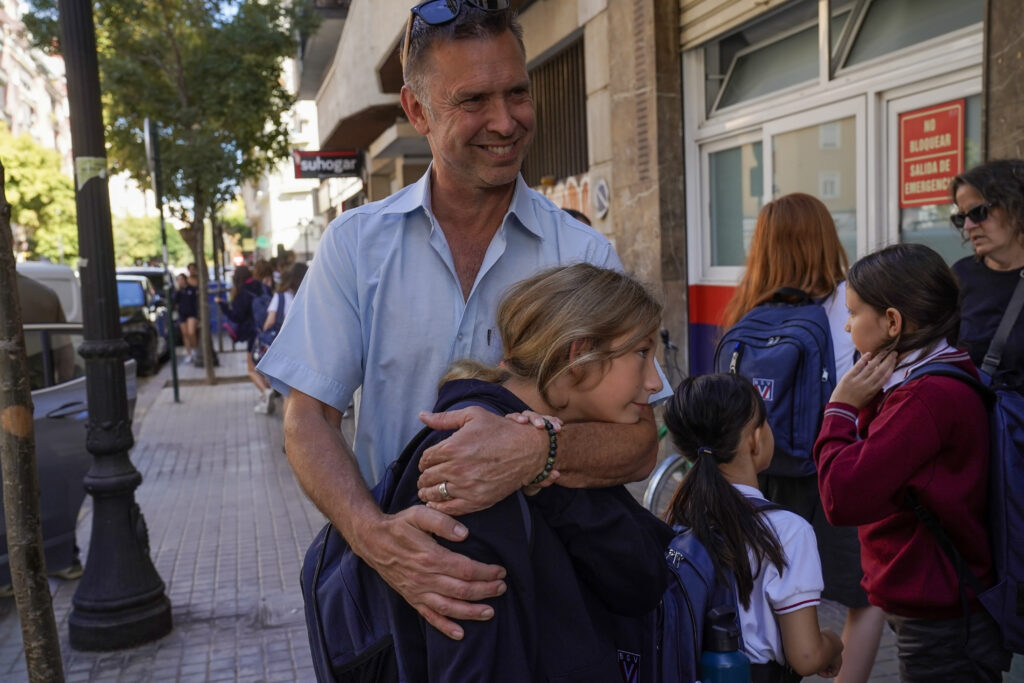
Matt and Brett Cloninger-West are getting a passionate crash course in the finer points of Spanish ham from the vendor at the public market. What part of the leg produces the leanest meat? The tastiest? What kinds of acorns are the pigs eating? They then move on to the produce stand, the bakery loaded with fresh bread and the cheese seller who had dozens of varieties from across the country on display.
This Old World shopping style has become one of the new joys of living in Valencia, Spain, where they moved from Washington, D.C., earlier this year. According to international real estate websites, Spain’s third-largest city has eclipsed Barcelona and Madrid as the top destination for American buyers and renters seeking to settle permanently. The Mediterranean city has long been included in lists of the “best cities to retire.” But a new group of residents is arriving — younger families with children fleeing what they see as the creeping authoritarianism of President Donald Trump’s America.
Advertisement
Brett Cloninger-West, 56, and his husband, Matt, 52, were both born in the United States and had well-paying, seemingly stable jobs in Washington. That all fell apart soon after Trump’s inauguration. Brett, a successful real estate agent for the past 18 years, and Matt, an IT specialist focused on strategic planning for the Federal Emergency Management Agency, saw their livelihoods evaporate within weeks of the inauguration.
“Within three weeks of the inauguration new business was down 75 percent,” Brett said. “Everyone was being fired.”
Meanwhile, Matt received one of Elon Musk’s “fork in the road” emails. Musk was tearing up the federal government, eliminating tens of thousands of jobs, as the de facto head of the Department of Government Efficiency. Matt realized his position was on the chopping block and reluctantly took a buyout. Unemployed and living in an increasingly tense and hostile city where soldiers patrolled the streets, they knew they had to leave the U.S.
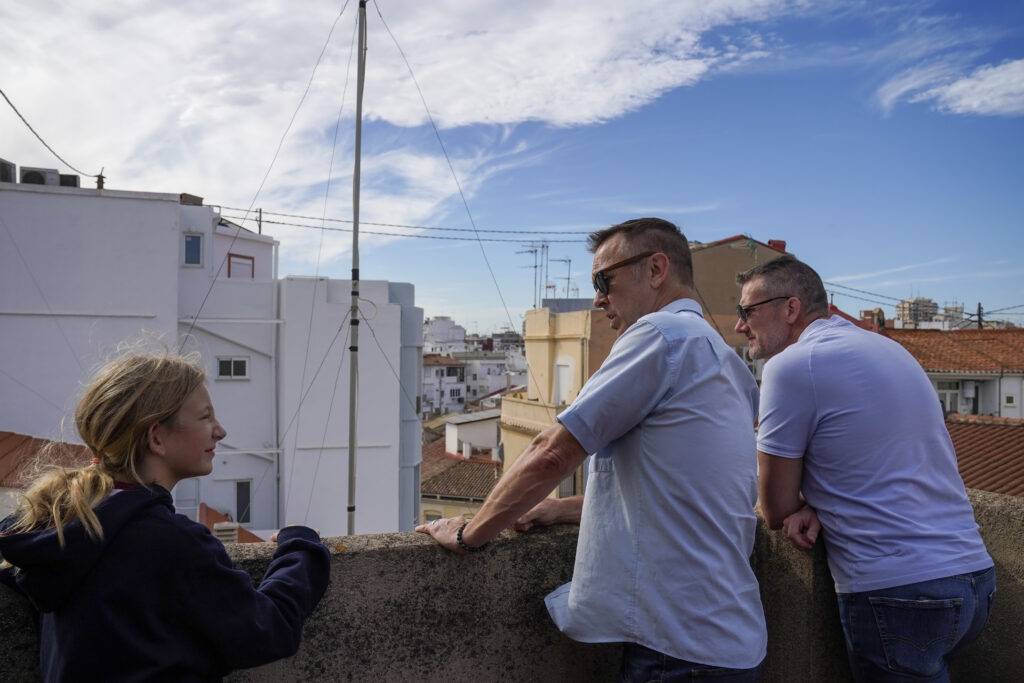

“The D.C. that I grew up in and spent my entire adult life in, no longer exists,” said Brett holding back tears. “I loved the place, even with all of its warts and hostilities. It really felt like home.
“We didn’t want to leave, we had to,” said Brett.
“It feels like an occupied city,” added Matt.
“Why Valencia? Just walking outside and breathing the air,” explained Brett, “there is no tension in it. There is no hostility in it.”
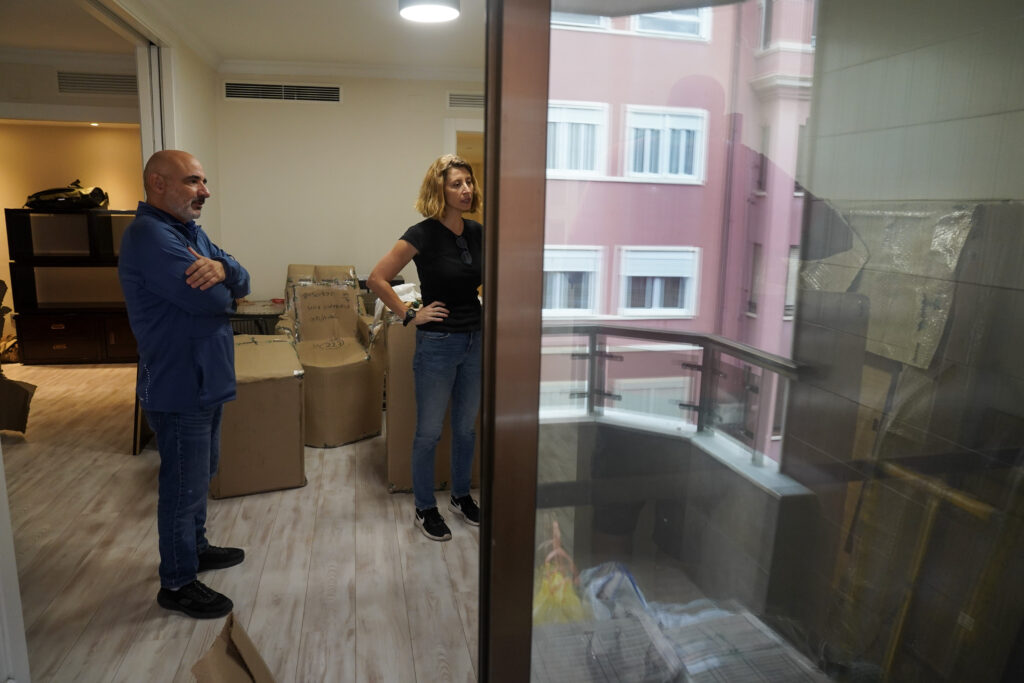
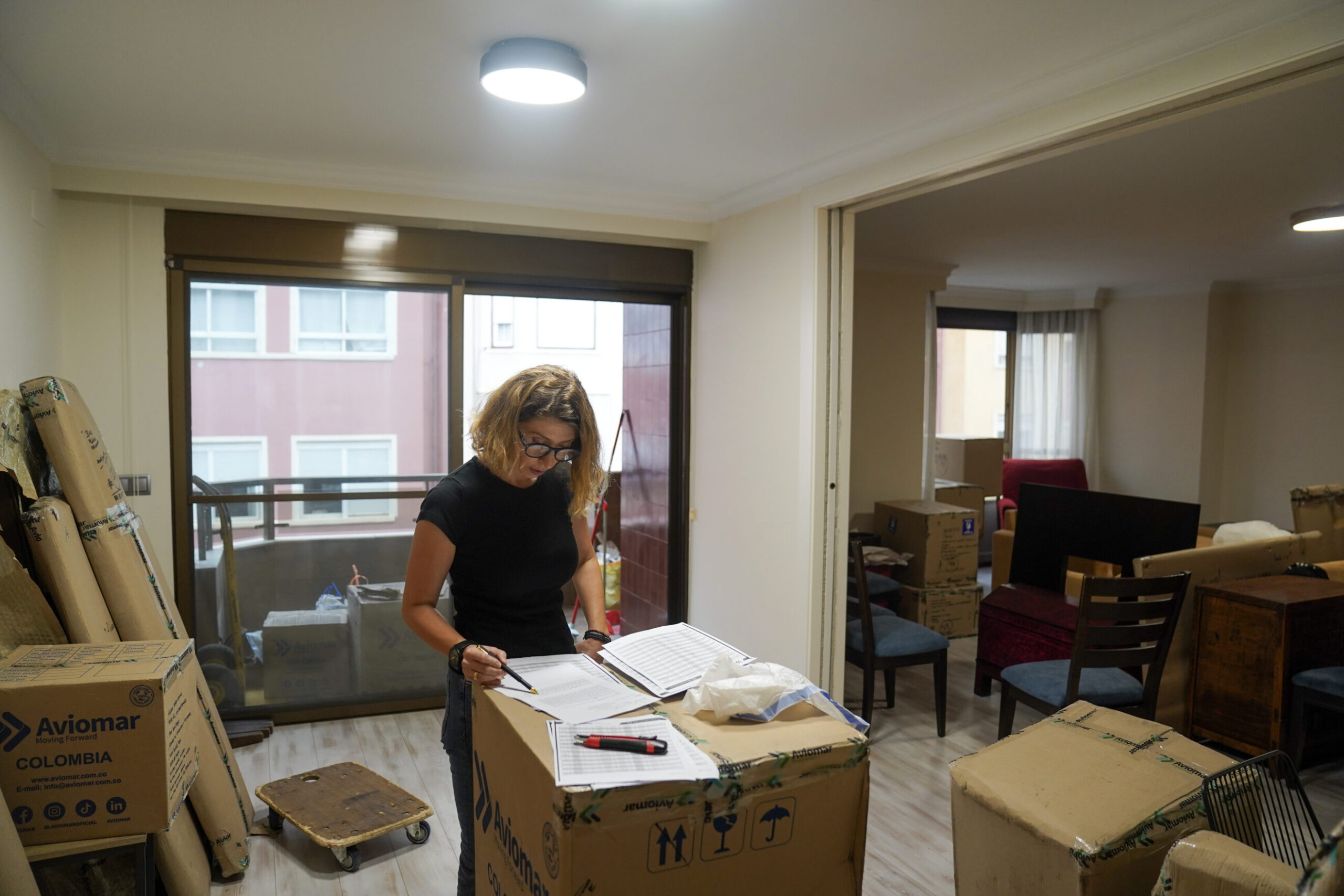
Mira Ibrisimovic and her husband, Mario Sanginés, oversee movers and boxes in their newly rented apartment. They recently arrived from Bogotá, Colombia, where Sanginés, now retired, worked for the Inter-American Development Bank, and Ibrisimovic was a contractor for the U.S. Agency for International Development. That contract ended days after Trump’s inauguration.
“It has been really traumatic,” said Ibrisimovic as she sipped a cappuccino. “The ending of 24 years of working for USAID … It was complete obliteration.”
Ibrisimovic has faced obliteration before. She was born in Belgrade when it was still part of Yugoslavia. She remembers viewing the United States as a symbol of democracy, a place she once hoped to be part of. That hope has now been shattered: “For me, it’s the disillusionment with the United States. I always had the drive to go there, no matter the problems. I believed in what it stood for. My belief that the country believed in doing right has been shattered with Trump being elected twice.”
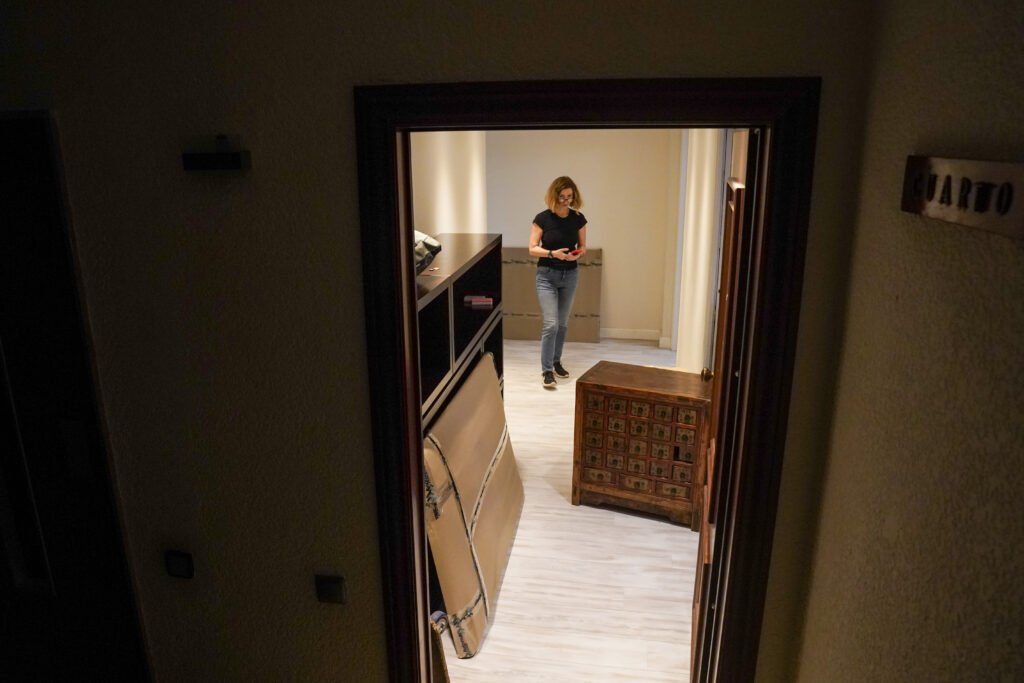
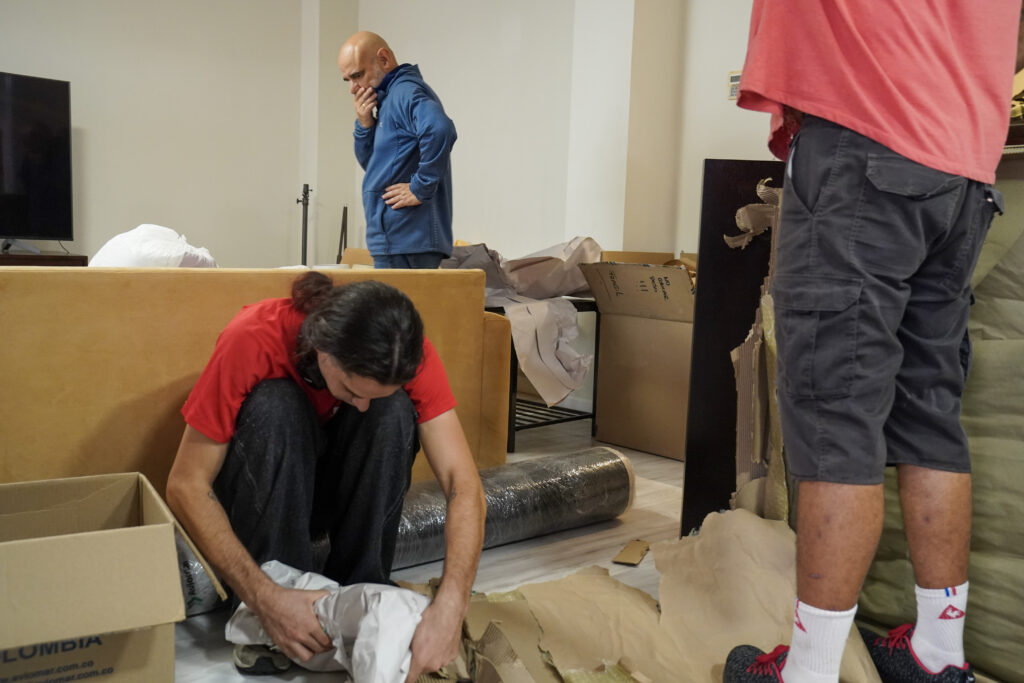

Sanginés, who is originally from Bolivia, retired from the IDB this year. Spain had always been on the couple’s radar as a potential retirement spot and Sanginés has family in Barcelona. They didn’t expect it to be so soon.
“We still have a house in D.C. and the kids were born there, so there are still ties,” said Ibrisimovic, “but we did not want to go back and live there and raise our kids there for many reasons — the quality of life, safety, to be away from the toxic environment. It is not the right time with what is going on politically, but also culturally, socially and racially.”
Advertisement
Many new arrivals in Valencia were afraid to speak out against Trump and his policies, fearing retaliation from the U.S. government. One of them, a middle-aged woman with two children, grew up in the Philippines during the regime of Ferdinand Marcos. Her family was outspokenly opposed to the dictator and fled to the U.S.
“I remember that at dinner time we would watch the news and watch the chaos happening in Manila. My mom and dad would be really worried,” she said. “I remember being that young and being scared.”
Those memories flooded back after Trump’s reelection and inauguration. Her husband and friends told her not to worry, that the government was set up with checks and balances. “There won’t be this time,” she replied. “They are going to come for people who are here and who are not criminals. They are going to come for naturalized citizens. My kids said, ‘You’re crazy.’ Everything I said came true.”
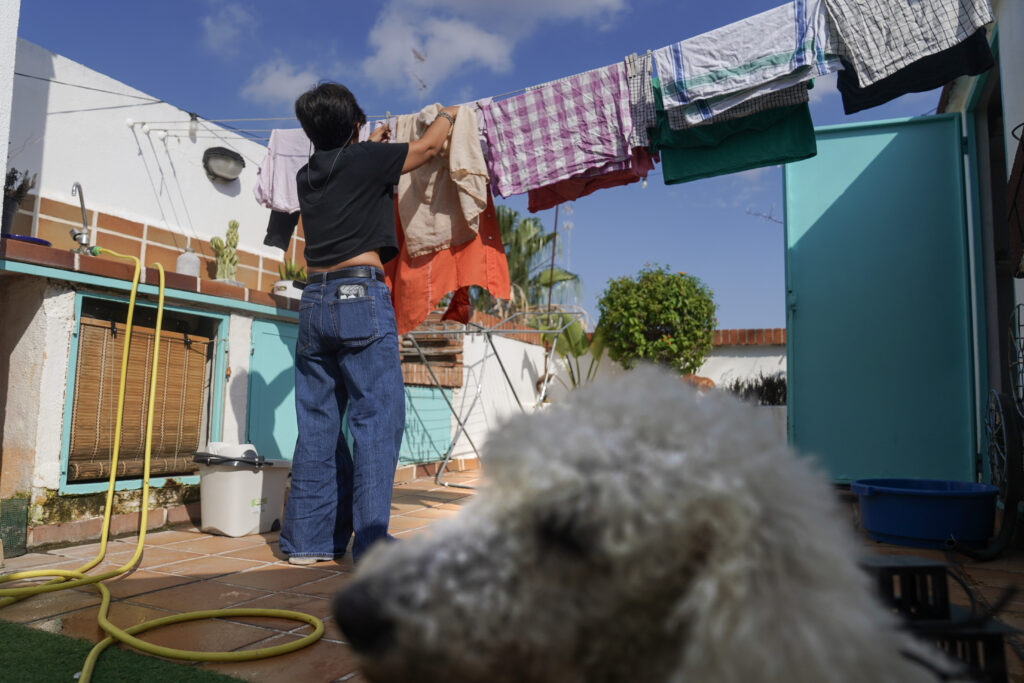
Her husband had never been to Spain. In March he visited Valencia and, after reading more headlines about ICE raids and detentions on the streets of American cities, decided they really needed to leave. She hadn’t been waiting for his green light: She had already taken care of all the paperwork for the move.
She chose Valencia because she already had friends living there who praised the city: safe, easy to get around, excellent schools, and affordable, quality health care. Any concerns about how their two children would adjust to their new home quickly disappeared. Both children are thriving academically and socially and the youngest already has a girlfriend. “It’s not like vacation any more,” her oldest child said. “It feels like home.”
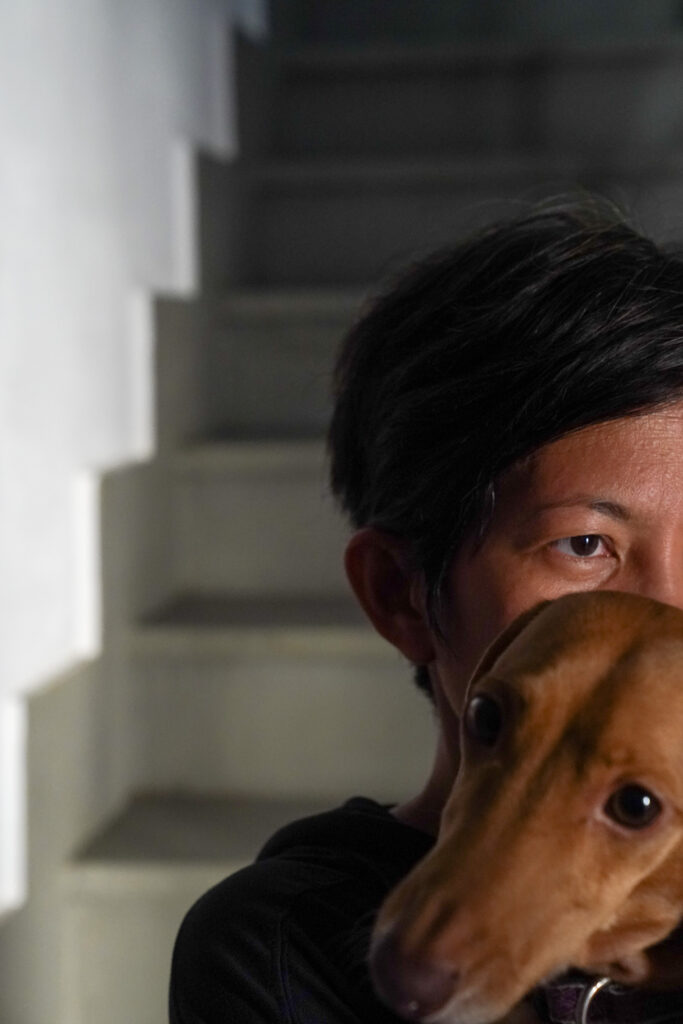
The family did not want any identifying details to be included in this report or photographs, fearing repercussions.
Advertisement
At a trendy café in Russafa, a neighborhood popular with expats and experiencing rising housing prices, the sounds of Joni Mitchell and Neil Young drifted from the speakers as patrons sipped matcha lattes and enjoyed homemade gluten-free cakes. Most spoke in American-accented English. At one table, another naturalized citizen and his wife, who was born in the United States, discussed their decision to leave the country after Trump became president-elect in November 2024. They asked to remain anonymous for this article.
“We often worry for our family and friends who are there,” one of them said. “If someone told me years ago that this would be happening, I’d say they lost it, that it was a conspiracy theory. It is just bizarre.”
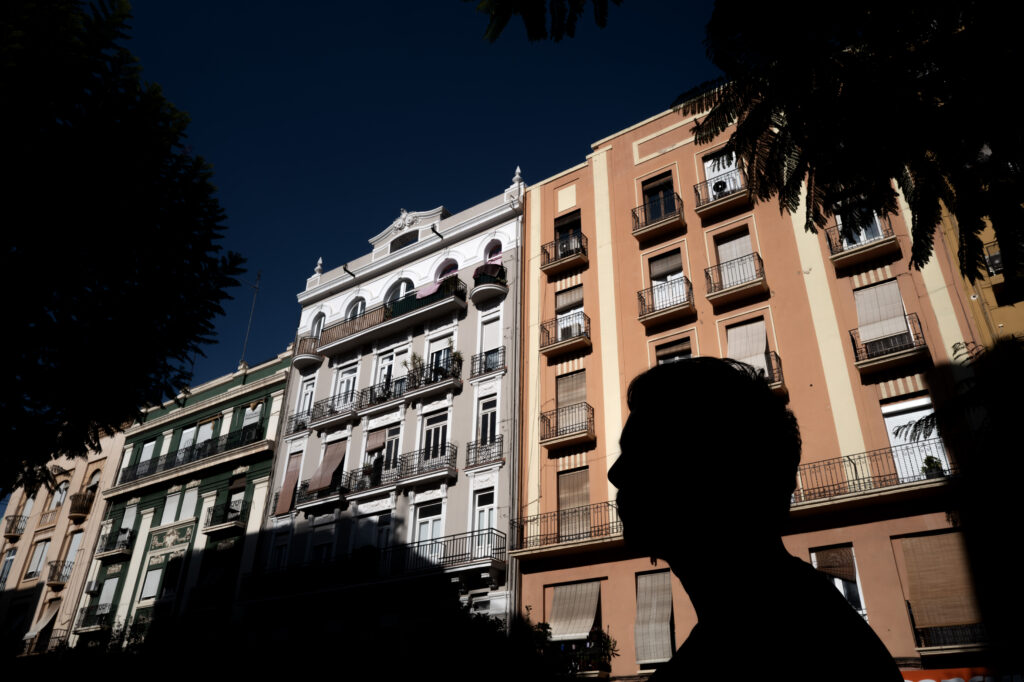
“We thought about moving for a long time, more to see the world than to leave the U.S.,” one of them explained. They didn’t want their children growing up in what they called a “toxic atmosphere” in Texas. One of them worked for a company linked to the government. Politics was never brought up at work until after Trump’s inauguration, when the owner and managers started to boast about their support for the MAGA movement.
“We became fearful about going out. Our kids aren’t naturalized citizens since they’re born in the U.S., but I am. Our fear was for my citizenship, and therefore, my passport to be revoked, leaving me without a country to belong in.”
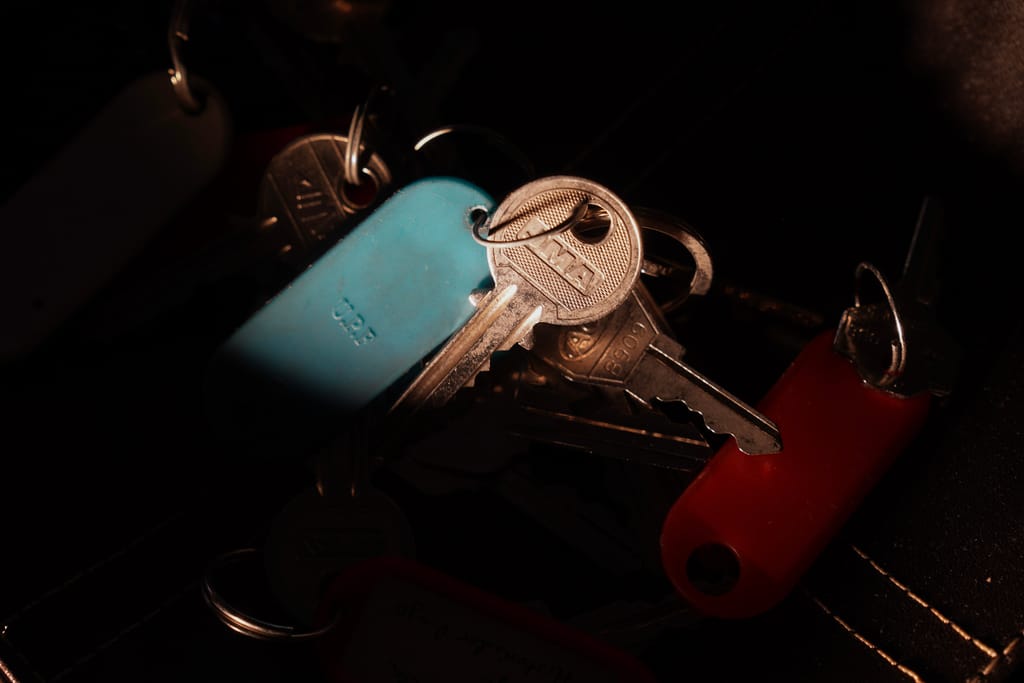
A NOTE FROM THE AUTHOR
Afraid to speak, for the first time
I have covered civil wars and authoritarian regimes across five continents, but this is the first time I have heard such fear from U.S. citizens about their own government. While reporting this story in Valencia, I met many Americans who were unwilling to speak and declined to be interviewed for this report, fearing retaliation from Trump’s administration. A few others were willing to go on the record, but anonymously and without their photos in the story. This was especially true for people of color and naturalized citizens. Some worried their families back home would be “rounded up” or that they would lose their jobs, while others feared their passports wouldn’t be renewed or even confiscated. Some said they had scrubbed their social media accounts. I had encountered similar testimonies in places such as Russia, Iraq or Congo — but never about the U.S.
Advertisement



Follow