



LONDON — No.10 Downing Street announced Thursday it will cancel its afternoon briefing for reporters — sparking a furious response from British journalists.
A note from Tim Allan, No.10 director of communications, said a series of changes are needed to “better serve journalists and to better inform the public about government policies.”
Currently two “lobby briefings” are held for political reporters most days. These offer the chance for journalists to ask questions to a spokesperson for Starmer with no time limit. The first is in the late morning and the second at around 3.45 p.m.
The later edition is often sparsely attended, but is seen as a chance for journalists to dig in on late-breaking stories.
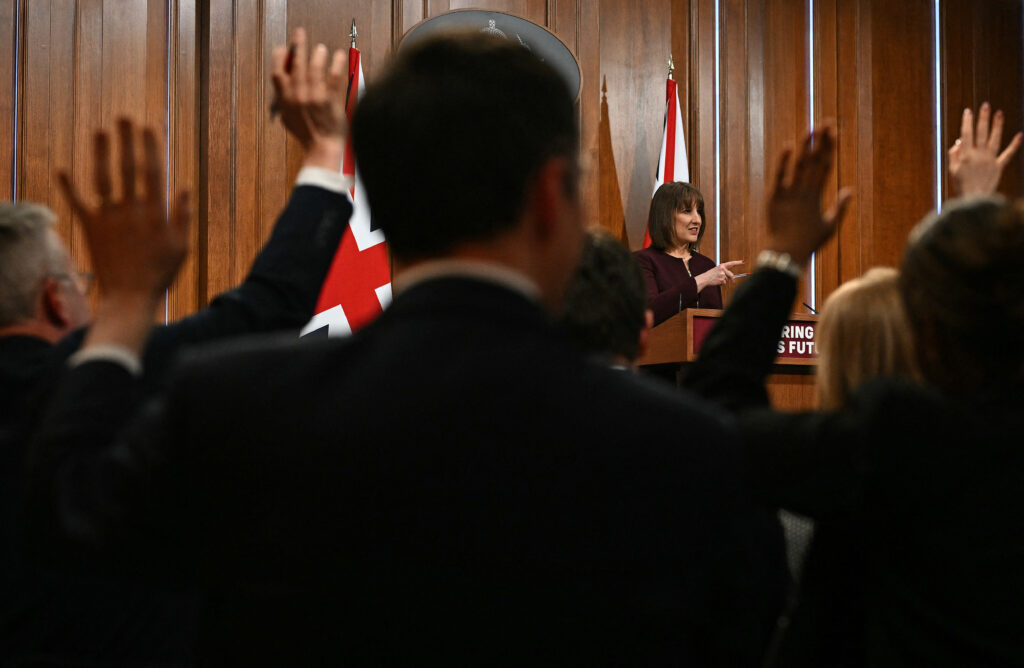
Downing Street said Thursday that instead of the afternoon briefings there will now be “occasional” afternoon press conferences with ministers or technical briefings with officials.
When an “occasional” morning press conference is held, the morning briefings will be cancelled, too. These press conferences will also be open to social media influencers, a practice the government has been experimenting with in recent months despite some grumbling from established reporters.
“The media landscape has been utterly transformed over the last few years, and current arrangements are not fit for purpose,” Allan said. “I hope you agree that these changes will allow Lobby journalists more direct access to Ministers and a greater ability access information about government policies.”
Already political reporters in Westminster are up in arms.
Outgoing Lobby Chair David Hughes, political editor of the Press Association, and his incoming successor Lizzy Buchan, political editor at the Mirror, said in a statement they were “greatly concerned by this step and furious that the lobby was not consulted about this move which restricts access and, we fear, scrutiny. Downing Street has promised more ministerial press conferences but they will obviously control the timetable for those and will no doubt seek to choose who they take questions from.”
They added: “None of this bodes well for transparency from a government which came into office promising to raise standards.”



Follow