



Europe’s populist worries will intensify when right-wing billionaire Andrej Babiš becomes Czech prime minister today.
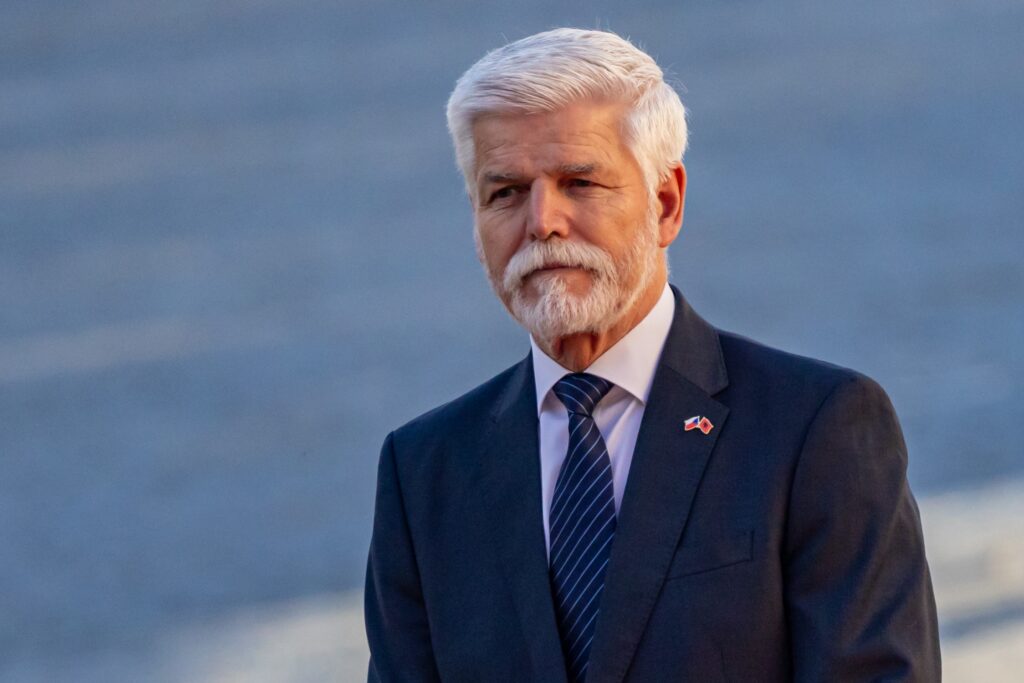
Czech President Petr Pavel is set to appoint Babiš to the position after resolving longstanding conflict-of-interest issues related to the PM-elect’s conglomerate, Agrofert.
Babiš and his future government have sparked fears in Brussels, where his opponents worry that alliances he could form at the European level may tilt Central Europe in an anti-establishment direction. Combined with Hungary’s Viktor Orbán and Slovakia’s Robert Fico, Babiš has the potential to jam up the legislative machinery in Brussels as it works on key files.
Babiš regularly speaks of reviving the so-called Visegrád Four group, something both Orbán and Fico hope for, after it became largely dormant following Russia’s invasion of Ukraine.
A new Visegrád grouping would likely count three rather than the four members it had after being founded as a cultural and political alliance in the 1990s. Poland’s current center-right prime minister, Donald Tusk, is staunchly pro-Ukraine and is thus unlikely to enter any entente with Orbán.
Polish President Karol Nawrocki of the right-wing populist Law and Justice (PiS) party, though, has been talking up the prospects for Visegrád.
Babiš’ government — his Patriots for Europe-aligned ANO party is in a coalition with the far-right Freedom and Direct Democracy and right-wing Motorists for Themselves parties — is also likely to fight against EU-level pro-environment initiatives. That could cause issues for climate files like ETS2, the Emissions Trading System for road and buildings, and Brussels’ bid to ban combustion engines.
Following his decisive victory in the Czech election Oct. 3-4, however, Babiš has toned down his previous remarks about canceling the Czech ammunition initiative in support of Ukraine, raising questions about whether the campaign rhetoric will translate into actual policy reversals.
The extent to which Czechia becomes another EU disrupter might become clearer later this week as Babiš travels to Brussels to take part in the European Council — assuming the rest of his cabinet is appointed by then.



Follow