



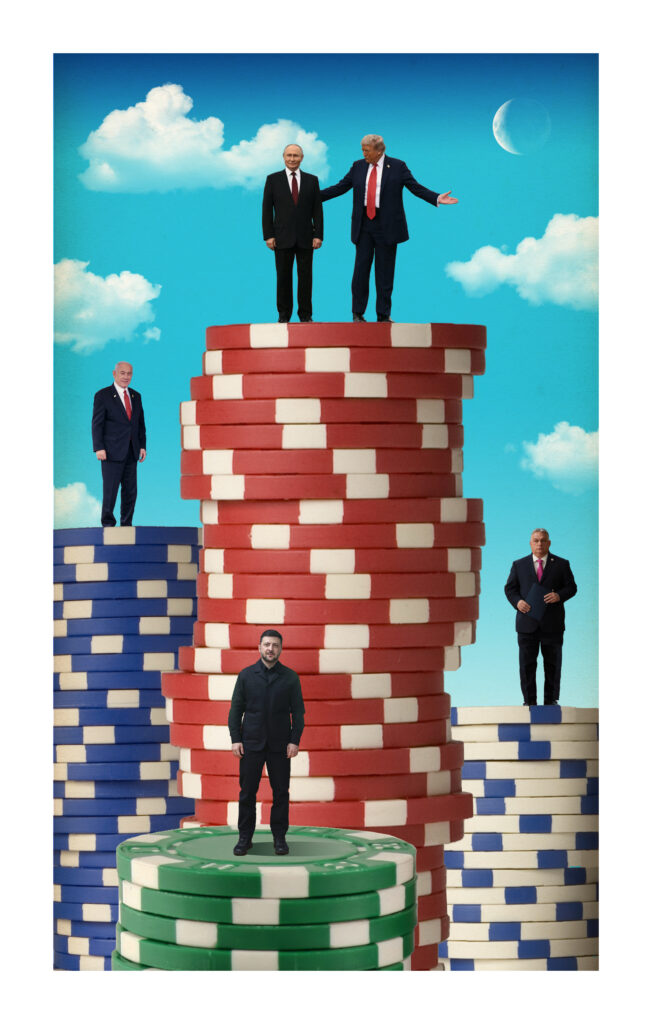

Last year, POLITICO chose to be boosterish about the future as it outlined some not entirely tongue-in-cheek reasons for optimism about 2025. Some predictions were spot-on, though others less so: Donald Trump did manage to end (maybe) the war in Gaza, but peace in Ukraine is proving more elusive.
This P28 we’re taking a different tack by offering odds on some 2026 scenarios — from the political survival of both Hungary’s Viktor Orbán and Israel’s Benjamin Netanyahu to the chances of a financial crash and the likely winners of the mid-term elections in the United States.
Is the author prepared to bet his own salary on any of the episodes sketched below? Hell no! The most common mistake when it comes to gambling is to start in the first place. Just ask Harry Kakavas, one of Australia’s smartest real-estate salesmen, who made a fortune selling property on the Gold Coast only to lose tens of millions of dollars at the Baccarat tables.
But if you want to place some wagers, be my guest. There are plenty of online gambling sites that’ll be happy to take your money.
Here’s a caution though. Politics in this topsy-turvy era is even less predictable than sports. And even more so with the ever-unpredictable Donald Trump in the White House. After a whirlwind year at the start of his second term, here’s how we see things unfolding across the globe in 2026.
Trump pulls off an end to the war in Ukraine
For all the talk of Western sanctions crashing the Russian economy and bringing the Kremlin to heel, Vladimir Putin seems unperturbed. Regardless of the carnage on the frontlines or Russians queueing for gas because of Ukrainian drone strikes on oil refineries, he has remained fixed on pressing his maximalist demands.
Meanwhile, there are domestic political limits on what Ukraine’s Volodymyr Zelenskyy can agree to without triggering a public backlash.
Nonetheless, Trump often seems more inclined than not to think a deal might be possible. After his Alaska summit with Putin, Trump was heard on a hot mic explaining to France’s Emmanuel Macron that he thinks Putin really wants to “make a deal for me.” “I think he wants to make a deal with me. Do you understand that? As crazy as it sounds,” Trump added.
Of course, the stubbornness of the Russian leader has left Trump frustrated and occasionally musing about whether he’s being played — which is what Melania Trump reportedly thinks Putin is doing.
The Russian leader is adept at stringing Trump along — and his timing is impeccable when reaching out to his US counterpart. Take his two-hour-log phone call last month dangling the prospects of a summit just as Trump hinted he might give Ukraine Tomahawk Cruise missiles.
Arguably, prolonging the war is useful for Putin. It has the benefit of further straining cash-strapped European nations (see below), and risks fracturing the transatlantic alliance. A distracted West also helps Putin’s ally Xi Jinping as he calculates whether, or when, to make a move on Taiwan.
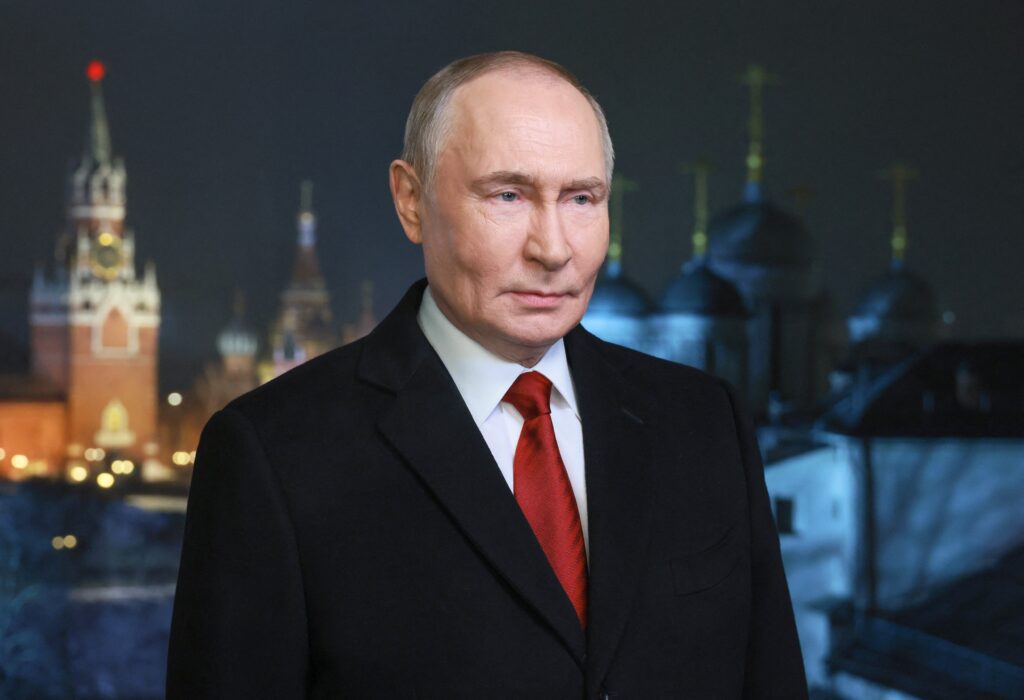
And Putin’s regime could be imperiled if he ends the conflict abruptly. A rapid shift out of a war economy would likely trigger some dangerous sociopolitical infighting, according to Ella Paneyakh, a sociologist at the New Eurasian Strategies Centre think tank. She says it would spark “cruel and vicious competition for diminishing resources.”
With Ukraine’s severe manpower shortage — Ukrainian units are able to deploy just a dozen troops per kilometer of front — there’s always the chance of a frontline breakthrough. In short, Putin may well calculate he can get more by persisting: more land, Western security guarantees so watered down they’re worthless and a cap on the size of a postwar Ukrainian army. That would handily set the stage for a later resumption of Russian revanchist hostilities.
The counter-argument? The Russian economy is struggling with high interest rates, labour shortages and soaring government borrowing costs. There’s alarm about the bad debt Russian banks are shouldering. The status quo may not be able to last forever. Likewise, though, Ukraine could be on the ropes this winter with Russia’s relentless targeting of the country’s energy infrastructure and the Europeans unable to bankroll Kyiv sufficiently.
Odds: 4/1
2026 is the year the bond market says enough is enough
Bill Clinton’s campaign guru James Carville once suggested it would be fun to be reincarnated as the bond market. “You can intimidate everybody,” he said.
Even Trump appears to appreciate he’s outranked by the real masters of the universe — the bond vigilantes, hedge and pension fund bosses and high financiers. In the spring he had to pause his signature policy of “reciprocal tariffs” when the bond market frowned.
The awesome collective power of the global investment giants and traders was demonstrated three years ago when they reacted adversely to the poorly sequenced tax-cutting mini-budget of Britain’s Liz Truss. Her premiership was the shortest-lived in British history; Truss’s brief 49 days in office broke the previous record of George Canning, who served for 119 days in 1827 — but he had the excuse of dying on the job.
How many other Western heads of governments might be ushered to the door next year by the bond market as they fail to reduce rising budget deficits?

The parlous state of public finances — from Japan to Britain and the United States — has kept long-dated borrowing costs at near multi-year peaks this year. The fiscal challenges of high levels of government borrowing, slow growth and sluggish productivity are only mounting. And it is going to be an uphill battle to keep the bond markets reassured.
Demand for government bonds worldwide has cooled with institutional investors put off by the outlook for some major governments being able to maintain their finances, including the United States. “The economic reforms needed to really cover increasing debt are lacking, and the capital market sees that,” Deutsche Bank CEO Christian Sewing said in September.
With its exploding public debt, France has been the canary in the mine with a succession of Emmanuel Macron-appointed prime ministers unable to muster parliamentary — or public — support for serious debt-reduction. Britain is closely following. Financial crisis and political crisis go hand-in-hand, reinforcing and fueling each other. For electoral reasons, governments are equally loath to hike taxes or cut spending, but something has got to give.
Odds: 5/1
Netanyahu survives again
They call him “the Magician” for a reason. When all has seemed lost in Benjamin Netanyahu’s long political career, he has implausibly bounced back. “An obsessive, relentless fighter, failure is not a legitimate option for him,” noted one of his biographers, Ben Caspit.
The Israeli leader was first nicknamed “Bibi the Magician” in the 1990s, after beating Shimon Peres in elections held months after the assassination of then-Prime Minister Yitzhak Rabin. Later, few believed he could pull off a win in 2015 given talk of criminal investigations and allegations of breach of trust and bribes. Still, Bibi pulled another rabbit out of his hat and secured reelection by courting the Israeli far right and religious nationalists — a tactic he repeated in 2019 to claw his way back.
The political obituarists were quick to declare him finished two years ago after Hamas rampaged through the kibbutzim of southern Israel. His government was widely blamed for a catastrophic failure to prevent the Oct. 7 attack, seen as the worst security lapse since the 1973 Yom Kippur war that ended the legendary Golda Meir’s career.
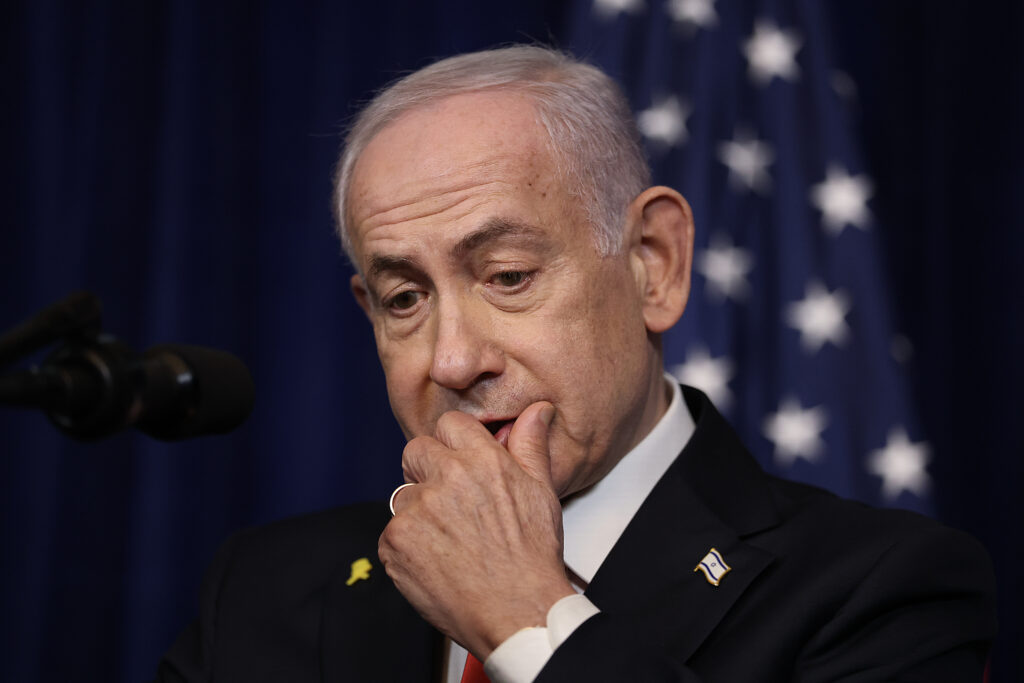
Parliamentary elections have to be held by October next year. The smart money is on a vote being held sooner, likely Netanyahu’s preferred option. And despite Oct 7 and Netanyahu’s legal travails, he has slowly improved his political position. The rock-bottom poll ratings of his ruling Likud party started to lift after the military campaign against Hezbollah in Lebanon and they continued to rise with the humbling of Iran.
And Trump may have done Bibi a big favor by pushing him into accepting the Gaza peace plan and agreeing to a ceasefire. Netanyahu was able to use Trump as the excuse for halting the military campaign in Gaza, allowing him to overrule the religious nationalists and far-right partners in his rambunctious coalition who wanted the war to continue.
Netanyahu’s political opponents are drawing comfort from the fact that Likud appears to be running short of the 35 seats it secured in the last election. Opinion polls are showing his right-wing coalition would struggle to secure 61 seats in the 120-seat Knesset. But so too would the opposition bloc. And a poll last month for Zman Yisrael, a Hebrew-language media site, suggested Bibi was enjoying increased support in the wake of the ceasefire and hostage release deal. Likud appears on course to once again emerge as the largest party in the Knesset.
The best hope for Netanyahu’s opponents is to unite and offer Israelis a simple choice. That’s the strategy former Prime Minister Naftali Bennett is pursing; he’s wooing Gadi Eisenkot, a former chief of the Israeli Defense Forces, in a bid to shape the election as a head-to-head fight between himself and Bibi. Does Netanyahu have another card up his sleeve?
Odds 3/1
Hungary’s Viktator wins reelection
Who would bet against Viktor Orbán leading his national conservative party, Fidesz, to another parliamentary victory?
The Viktator — a pun combining his first name and the Hungarian word for dictator — has been victorious in the past last three elections. The bête noire of Europe’s centrists and leftists, they will be determined to see him tripped up this time when Hungarians go to the polls in April, eager to be free of his EU obstructionism.
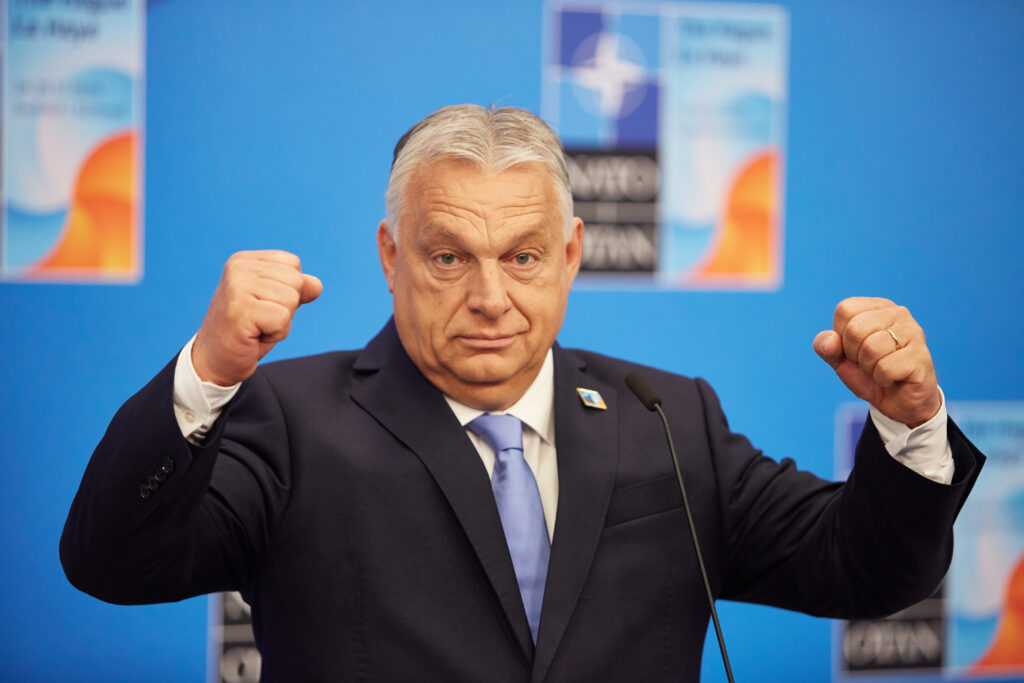
“The election isn’t going to be hermetically sealed off from the rest of Europe,” chuckles Frank Furedi, who heads the Brussels branch of the Hungarian government-backed college Mathias Corvinus Collegium. Furedi predicts Hungary will be the venue for a massive ideological brawl, further polarizing an already highly divided country.
Trump, MAGA influencers and Orbán’s allies in the Patriots for Europe group will be equally determined to see him remain as prime minister. They’re already drawing comfort, says Furedi, from the result in October of the Czech Republic’s parliamentary election, which saw right-wing populist Andrej Babiš’s ANO party secure a big win. The presidential election victory by a national conservative in Poland this year is also a source of confidence. But even Orbán loyalists don’t doubt this is going to be the toughest election he has faced in the past 15 years with incumbency proving a disadvantage.
And election campaigning is already underway. Péter Magyar, an MEP and former Fidesz insider, is Orbán’s main rival and hopes to capitalize on widespread public dissatisfaction with record inflation, economic woes and a series of political scandals. He’ll hope Orbán fatigue will kick in. His pro-Western and center-right party, Tisza, is running neck-and-neck with Fidesz in many polls, although some independent pollsters reckon Magyar is ahead.
But one in four Hungarians remain undecided. “A bit of trickery and a lot of campaigning” could shift the polls, according to political analyst Péter Krekó of the Budapest-based think tank Political Capital. “Tisza’s lead is not unchangeable.”
Orbán is casting Magyar as a puppet of the EU and even a Ukrainian agent of influence who wants to push Hungary into war. He will hope his populist EU-baiting narratives, helped by a media controlled by his friends, shift the focus of the election toward the culture wars. It just may work, again.
Odds: 2/1
A shadow banking crisis erupts
And spare a worrying thought for the unregulated private credit market and the so-called shadow banks. The usually staid Governor of the Bank of England, Andrew Bailey, has already tolled the alarm bell.
In October, he warned of parallels with the 2008 financial crash, which was sparked by an American housing bubble fueled by easy credit and the issuance of risky subprime mortgages, with their subsequent bundling into opaque financial products that spread risk throughout the global financial system. Risk turned to contagion.

Will the global financial system once again be brought to its knees? The private credit markets have become a major source of funding for businesses. That’s partly because traditional banks never regained their appetite for riskier lending after the 2008 crisis, and they have also been restrained because of greater regulatory scrutiny.
The hedge funds and private equity firms comprising the shadow banking sector now account for just under half of the world’s financial assets, worth around $250 trillion, according to the US Financial Stability Board.
The good news is that unlike traditional and investment banks they’re not using consumer cash deposits to invest in long-term, illiquid assets; they raise and borrow funds from investors, who in large part agree for their investment to be locked up for long periods. That reduces the short-term risks for the shadow banks — so in theory there shouldn’t be massive runs on them, like, say, what happened to Lehman Brothers in 2008.
But that’s in theory. If the private credit market is roiled, there’s bound to be an impact on other parts of the global financial system. And cash-strapped governments will be in no position to organize a bailout like in 2008, particularly at a time of even greater populist revolt. Furthermore, shadow banks have bet heavily on AI — and the AI boom might be a bubble ready to pop. It might soon be time to take cover.
Odds 3/1
Democrats vs. Republicans
It will be a tall order for the Republicans to retain control of the House of Representatives.
The incumbent president’s party invariably loses control of the House in the midterms — only twice since 1938 has that not been the case. “Both exceptions reflected unusual circumstances,” according to William A. Galston of the Brookings Institution, a centrist think tank.

In 2002, President George W. Bush’s Republicans surfed a rally-round-the-flag wave following the 9/11 attacks; and in 1998, Bill Clinton’s Democrats benefited from the unpopular effort by Republicans to impeach him.
Complicating the task for Democrats next year is a controversial redistricting scheme pushed by Trump in Texas and other states that should net Republicans additional seats, though some of that will be offset by Democrats redistricting in California. Nonetheless, with Republicans only enjoying a slim majority in the House, Democrats have to be odds-on favorites to win back control, especially if Trump’s net approval rating remains negative. In a reassuring sign for the party, Democrats scored big wins in gubernatorial races in New Jersey and Virginia in November.
The Senate is another matter. The GOP has a six-seat majority currently, and they’re playing on much safer turf. Although they will be defending 22 seats next year compared to the Democrats’ 13, most of their incumbents are considered secure. Only one Republican senator is running in a state that voted for Kamala Harris in last year’s presidential election. Two Democratic incumbents will be running in states that Trump won last year.
All in all, Republicans in the Senate look to be in a much stronger position than their counterparts in the House. For Democrats to win the Senate would require a giant wave of anti-Trump fervor sweeping into even some of the most conservative states in the country. It’s unlikely, but stranger things have happened.
Democrats seize the House: 2/1 odds; Republicans keep the Senate: 2/1 odds



Follow