



how memory, media, and a changing royal landscape are shaping the year ahead.
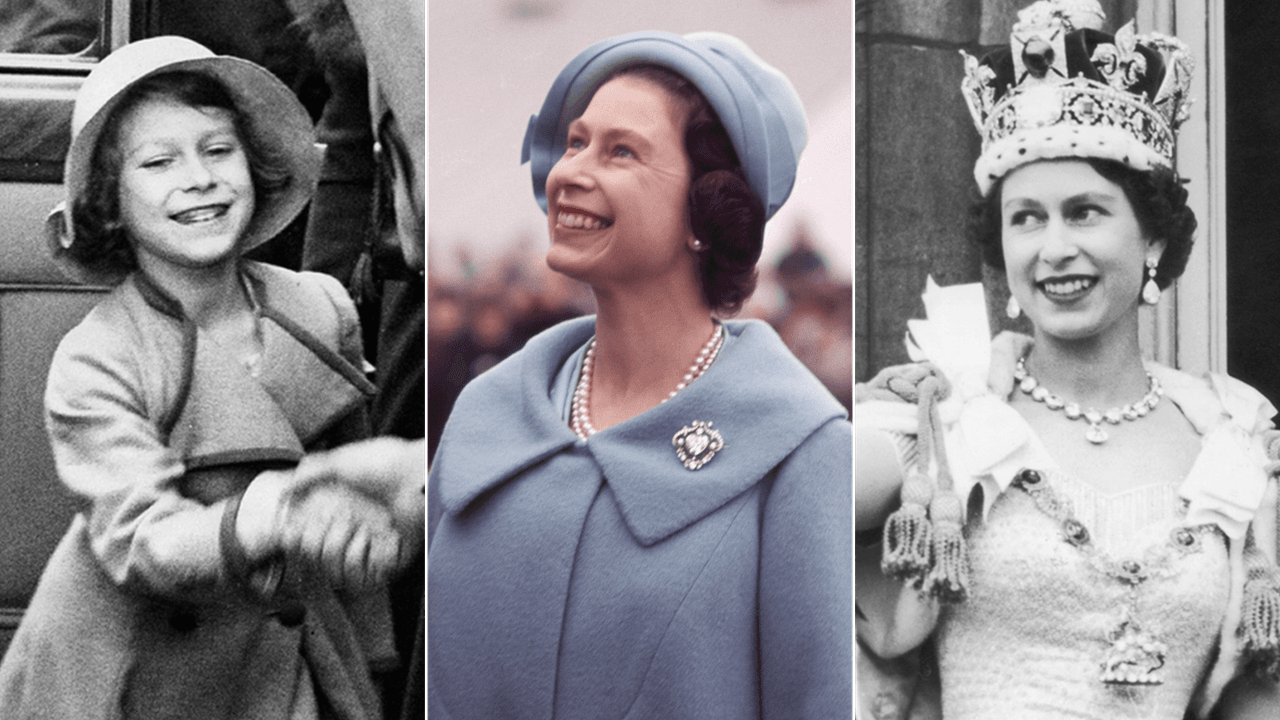
2026 would have marked Queen Elizabeth II’s 100th birthday.
That fact alone all but guarantees that the coming year will be thick with retrospection: official commemorations, institutional storytelling, carefully curated memories ripe for public consumption. Centenaries are useful like that. They encourage us to look backward (selectively!) and to call out where continuity can be observed.
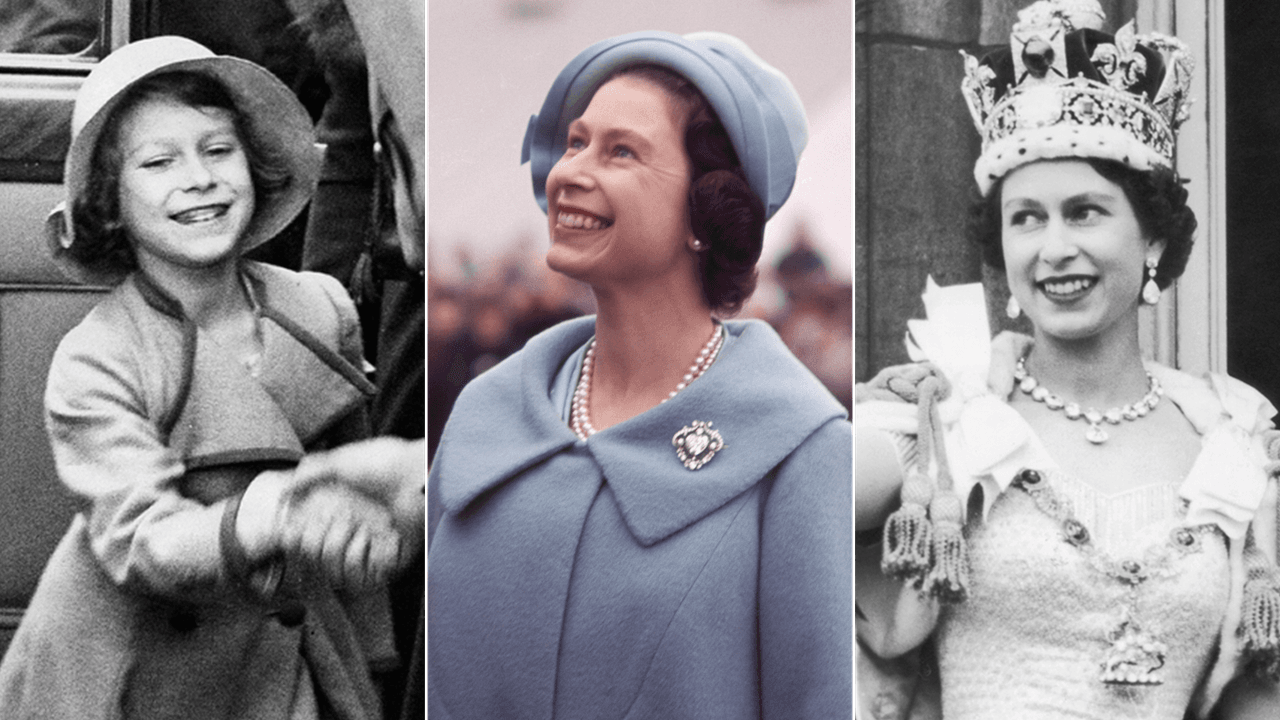
But the Queen’s centenary won’t arrive in isolation; in fact, it’s landing at a moment when nostalgia is already circulating more broadly. Across social media, there’s a growing insistence that 2026 is the new 2016—a throwback year, a cultural reset, a chance to reclaim a time that felt simpler, looser, less freighted.
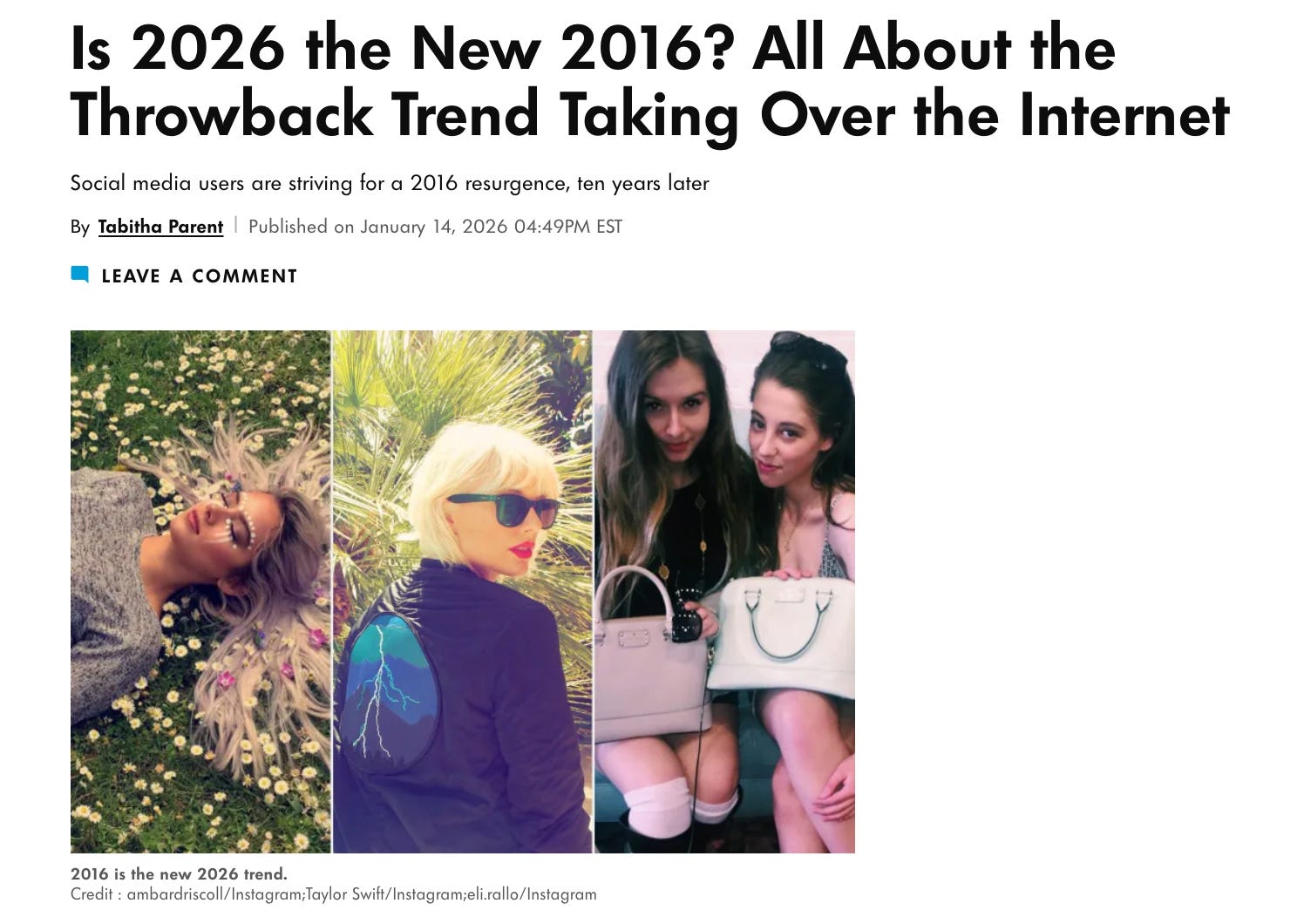
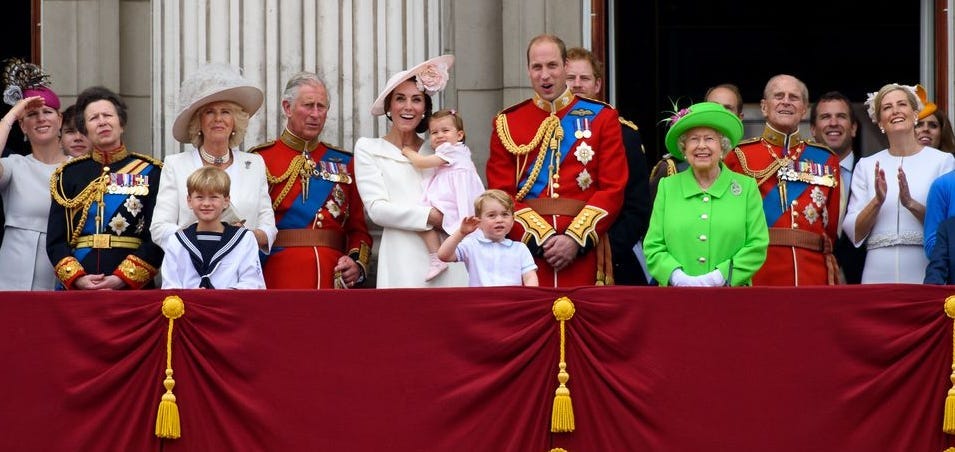
When we look at what the royal family was doing in 2016 (and compare it to where they are now) we also witness something like the end of an era. For the British monarchy, 2016 was the last year that felt internally normal.
This isn’t to say it was tranquil. Brexit loomed, and public trust in institutions was already fraying. But inside the royal family, the structure and intent still held strong. The institution was operating with forward momentum rather than defensive posture. And its press relationship, while imperfect, remained largely cooperative. Scandal existed, but it had not yet become existential.
Crucially, 2016 was before Meghan arrived on the scene. COVID hadn’t yet rewired public expectations. Dealing with Prince Andrew wasn’t yet unavoidable. And this was before illness entered the royal household in ways that could no longer be masked by careful choreography and stoicism.
It was the last year in which the monarchy could plausibly present itself as stable by default rather than telling us how stable it was…in spite of everything.
That distinction matters. Nostalgia thrives in the gap between those two conditions. It’s, at its heart, a form of editing, allowing institutions to select which past they want remembered…and which tensions they would prefer dissolve into vibes and symbolism. A centenary year is particularly useful in this regard.
In short, we’ll see a lot of royal nostalgia in the year ahead.
Queen Elizabeth II (despite the public reckoning with her enabling of Andrew for so long) still offers the monarchy a figure who is widely admired, broadly understood, and safely distant from contemporary controversy. She represents steadiness without demanding explanation. In 2016, the royals and public rallied around her to celebrate her 90th birthday.
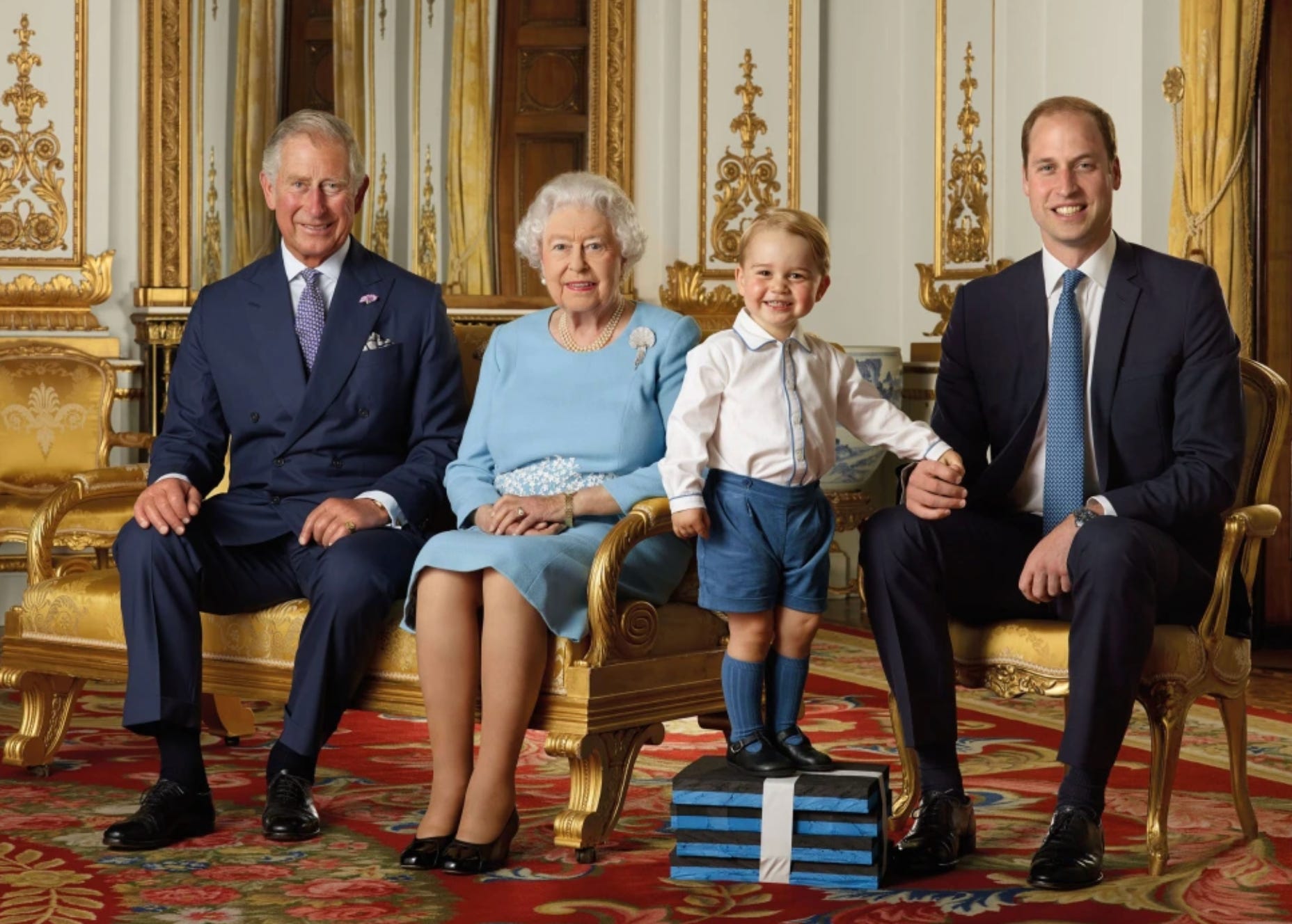
If the palace is smart (and that remains an open question) it will not limit nostalgia in 2026 to the Queen’s birth alone. It will widen the frame, gesturing toward an entire era in which the monarchy felt legible, predictable, and largely unchallenged. That era, conveniently, looks a lot like 2016.
But the conditions that once made that year possible no longer exist. And one of the clearest signs of that change is the shifting role of Harry and Meghan in the royal ecosystem. For several years, the monarchy benefited (albeit with some plausible deniability) from having a reliable external antagonist. Criticism of Harry and Meghan absorbed public frustration and redirected it outward. That strategy no longer hits the way it once did.
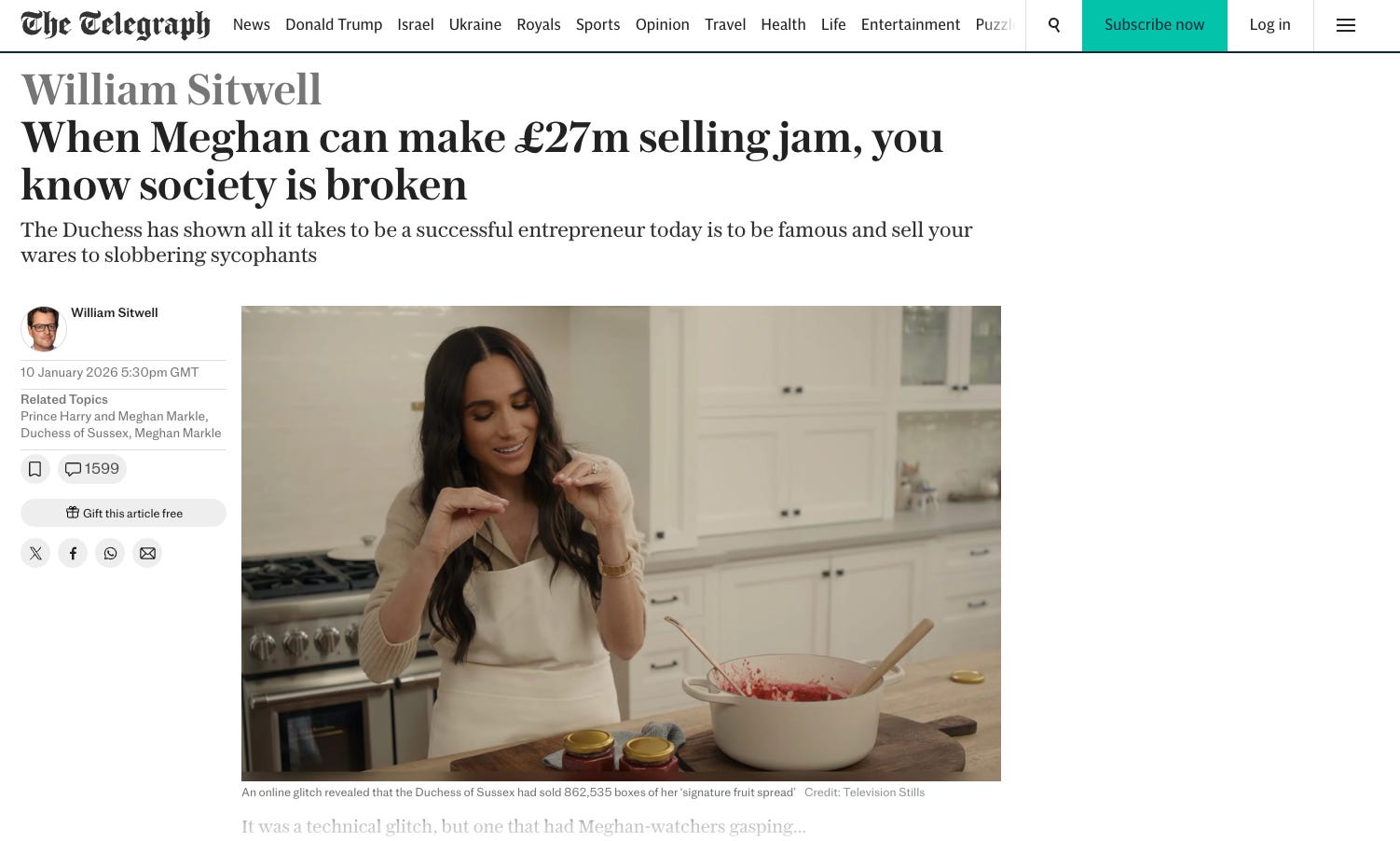
Increasingly, attacks on the Sussexes—like this one in the Telegraph last week—read as disproportionate. They are rooted in grievance. Meghan’s commercial success, in 2026, complicates the story she was meant to embody.
Likewise, Prince Harry’s persistence, particularly in his legal battles against media giants, appears less like petulance and more like endurance. Even among casual observers, the tone of coverage has shifted.
One of the clearest signs that this obsessive and petty narrative is weakening is the behavior of its defenders. Over the past year, royal commentary spaces have grown more reactive, more brittle, and more absolutist. There is less confidence that a story about the Palace will carry itself, and more urgency in policing dissent. When a narrative works, it doesn’t require this level of enforcement.
This is the backdrop against which royal nostalgia is poised to flourish. It could offer the royals reassurance without requiring firm reasoning.We can remind the public of a time when things felt less complicated (even if they weren’t actually.)
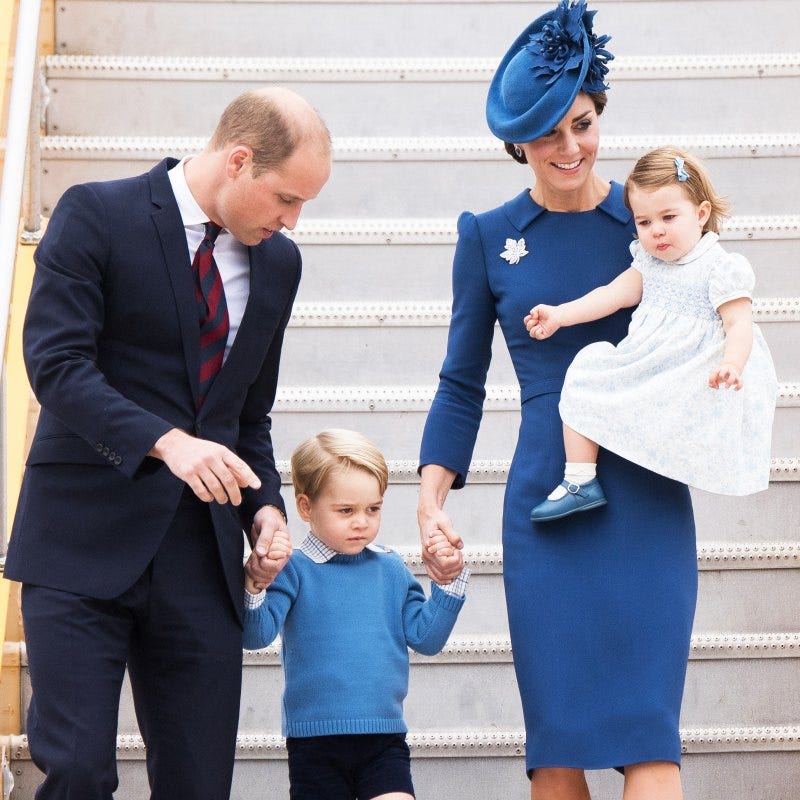
In 2026, the royal family will also face quieter transitions that reinforce this backward gaze. Prince George will leave primary school and move on to secondary education, a milestone that will inevitably prompt renewed interest in the Wales children and the future they represent. (I’ll be writing more about that in a free newsletter next week, so be sure you’re subscribed!)
Even that minor familial shift carries institutional weight: the end of one phase, the beginning of another—the passage of time rendered, briefly, tangible.
Of course, the monarchy of 2026 is not the monarchy of 2016 with a fresh coat of paint. It is an institution that has been reshaped by scrutiny, by illness, by fracture. Nostalgia cannot erase the last decade, but it can be used as a refuge from unrelenting change.
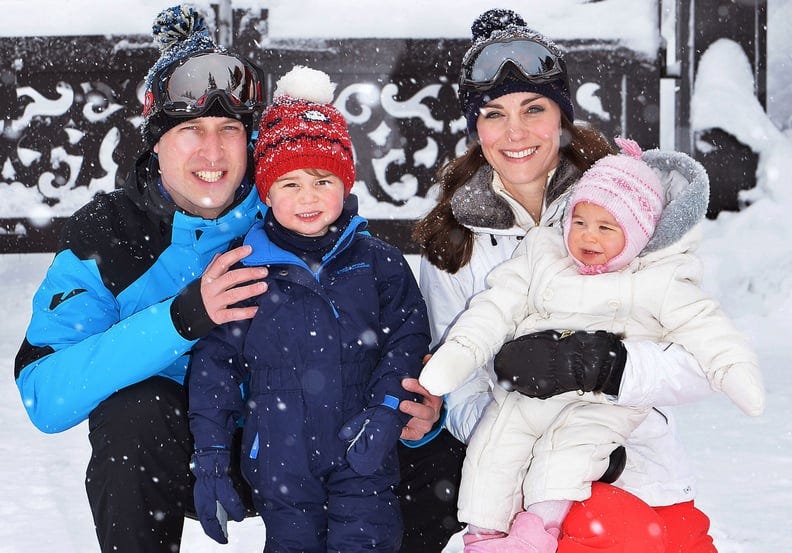
As F. Scott Fitzgerald wrote to wrap The Great Gatsby (a work coincidentally also published 100 years ago), “And so we beat on, boats against the current, borne back ceaselessly into the past.”
The question for the monarchy in 2026 is whether it will allow nostalgia to carry it…or whether it will decide where, exactly, it’s trying to go.



Follow