



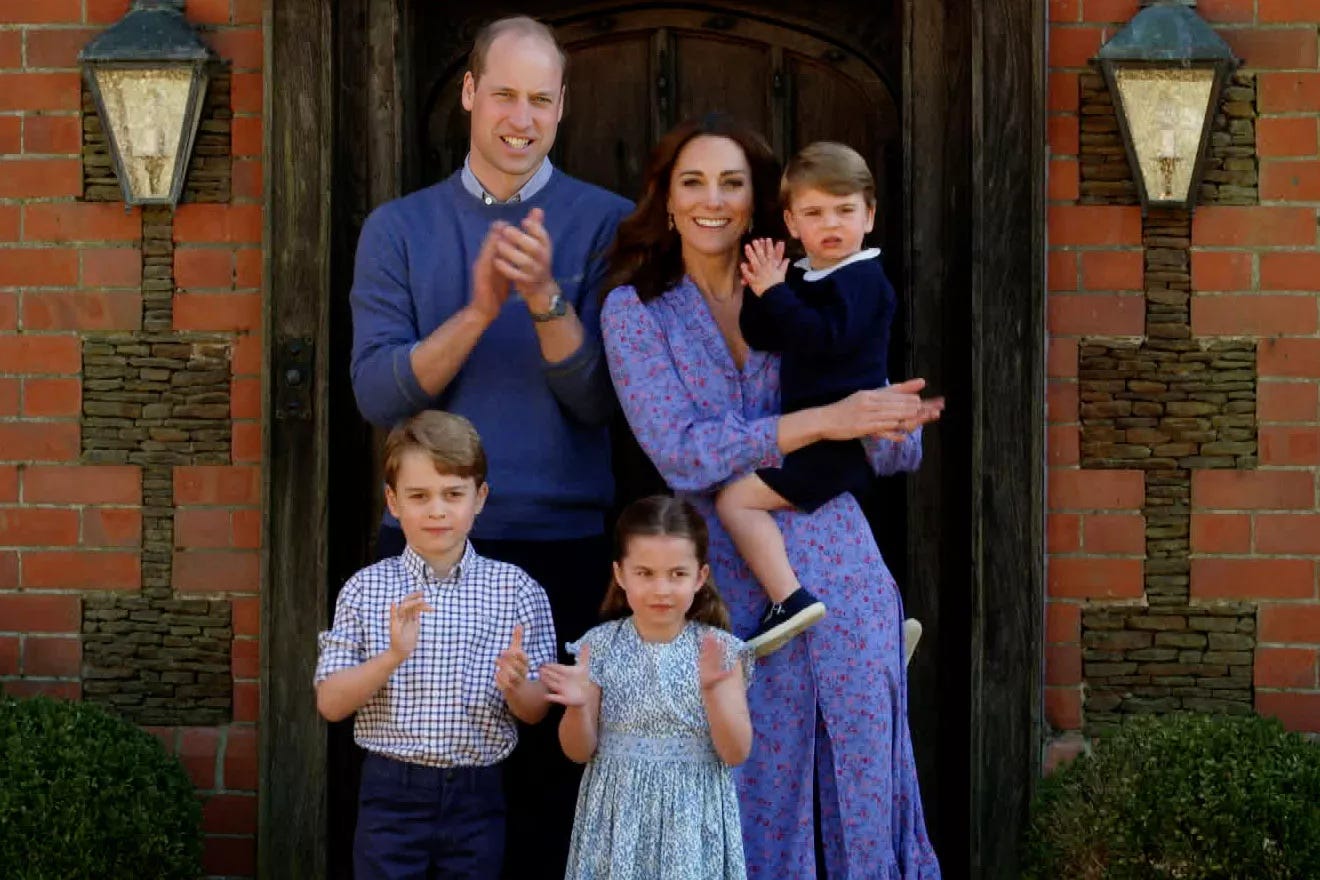
as Prince George approaches secondary school, the Waleses’ carefully managed image of modern royal childhood faces its first real test
The Prince and Princess of Wales, now settled into their new eight-bedroom “forever home” at Forest Lodge in Windsor, are fond of describing their approach to parenthood as deliberately normal.
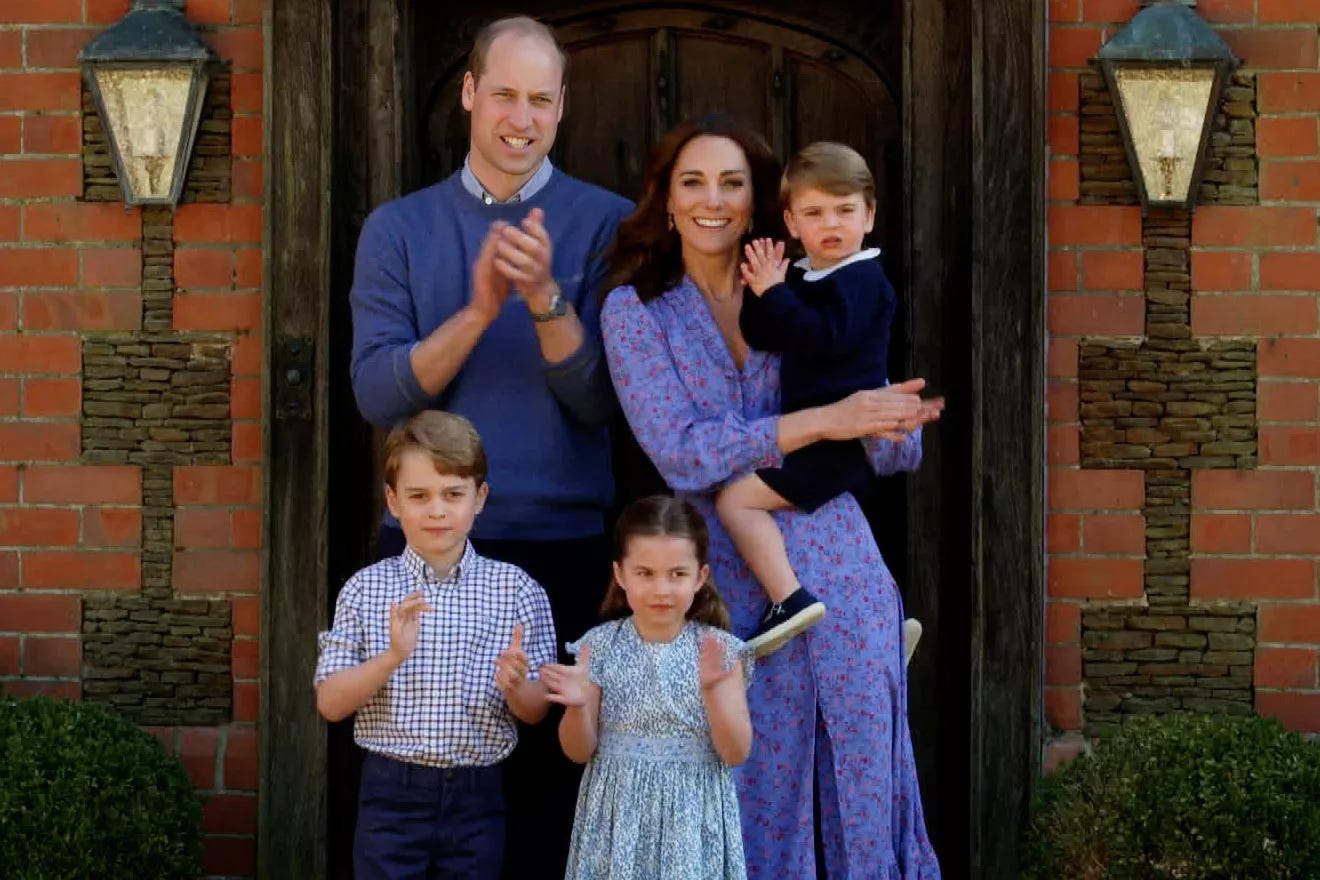
That word, normal, does a lot of heavy lifting in the mythos of the Wales family. This is, after all, a household with a ballroom, round-the-clock security, and three children whose faces are recognizable across the globe. Yet Prince George, Princess Charlotte, and Prince Louis are growing up at the frontier of a new kind of royal childhood. Their upbringing is shaped not just by history and hierarchy, but by smartphones, social media, AI, and a 24-hour news cycle that never truly blinks.
The question isn’t whether the Wales children are privileged. Of course they are. The more interesting question is how carefully that privilege is being managed, and by whom.
Today, I wanted to pause at the precipice for a major transitional year in the Wales children’s lives, which will see Prince George head off to secondary school. In a sense, 2026 marks the end of a carefully curated phase of royal childhood and the beginning of something more structured, more visible, and harder to control.
For more than a decade, Prince William and Catherine have been able to present their family life as intentionally grounded via school runs, sports days, playground conversations, and a rhetoric of normalcy that has done significant reputational legwork for the monarchy. George’s move to secondary school (by all accounts, a move to boarding) won’t just change his daily routine. It might just rewrite the terms under which modern royal childhood is performed.
No Phones, No Rush, No Illusions
Prince William has been unusually frank about where he draws the line on one particular issue his children face: phones. During a conversation with Eugene Levy on The Reluctant Traveler, and again while speaking in Brazil for the Earthshot Prize in 2025, he confirmed that none of the children currently have mobile phones. George, he suggested, might be allowed one when he moves on to secondary school, but even then, it would be a stripped-down “brick phone,” with no internet access.
Children, William argues, can access “too much stuff they don’t need to see.” It’s a stance that aligns neatly with Kate’s own public warnings about screen time, distraction, and what she has described as an “epidemic of disconnection” in modern family life.

Kate herself has long framed her public work through the lens of early childhood development, but recent reporting makes clear how central this has become to her larger royal identity. From the Happy Mum, Happy Baby podcast to the creation of the Royal Foundation’s Centre for Early Childhood, aides describe this platform as her “life’s work.” It’s also, they insist, an attempt to tackle adult social problems by intervening at the very start of life.
Raising the Heir, on Their Terms
This emphasis deliberately distances the Princess of Wales, whose greatest contribution to the monarchy is often identified as “raising the next generation of royals,” from previous working models.
Kate frequently contrasts her own upbringing with William’s in both conversation and media: there was, of course, less aristocratic formality, more sustained family time. Sources have repeatedly noted that she has resisted the archaic tradition of only seeing one’s children briefly each day before handing them back to staff since day one.

In other words, Kate’s version of royal motherhood is actively corrective, not just different. The public, accordingly, has rewarded her for it.
I discussed this concept and contrasted it with the parenting styles of Queen Elizabeth II and Princess Diana in a YouTube video last year:
Recent polling now places the Princess of Wales as the most popular member of the royal family, ahead of her husband, the King, and even “workhorse” Princess Anne. Her cancer treatment has only intensified that goodwill, reframing her not simply as a future queen, but as a figure of emotional steadiness, restraint, and moral clarity.
That instinct for greater control at home is especially visible in how the Waleses are introducing Prince George to his future role.
According to biographer Robert Lacey, George was given a formal talk about his destiny at age seven; this was, we’re told, a “controlled moment of their choice” designed to avoid the confusion and isolation William himself experienced growing up.

Since then, George’s public appearances have been incremental: a Remembrance event here, a coronation role there. Nothing accidental, nothing rushed.
This year, however, marks a genuine turning point. George will move on to secondary school, with Eton and Marlborough widely reported as frontrunners. Either choice would represent a shift in structure. Boarding school inevitably reduces the everyday rituals that have anchored his parents’ (particularly Kate’s) public narrative. The school run, the playground chats, and the visible hands-on parenting will all inevitably change. Those pieces just happen to have softened the monarchy’s image for over a decade.
If George, Charlotte, and eventually Louis follow the traditional boarding-school path, the Waleses’ visibility as involved, hands-on parents will naturally diminish. When that happens, with less plausible deniability about availability, the institution will expect something in return.
The reporting already hints at this evolution. Aides describe both William and Catherine as ambitious, focused on “impactful change,” and increasingly confident as public authorities. Is the monarchy fully prepared for what that version of the Prince and Princess of Wales might look like?
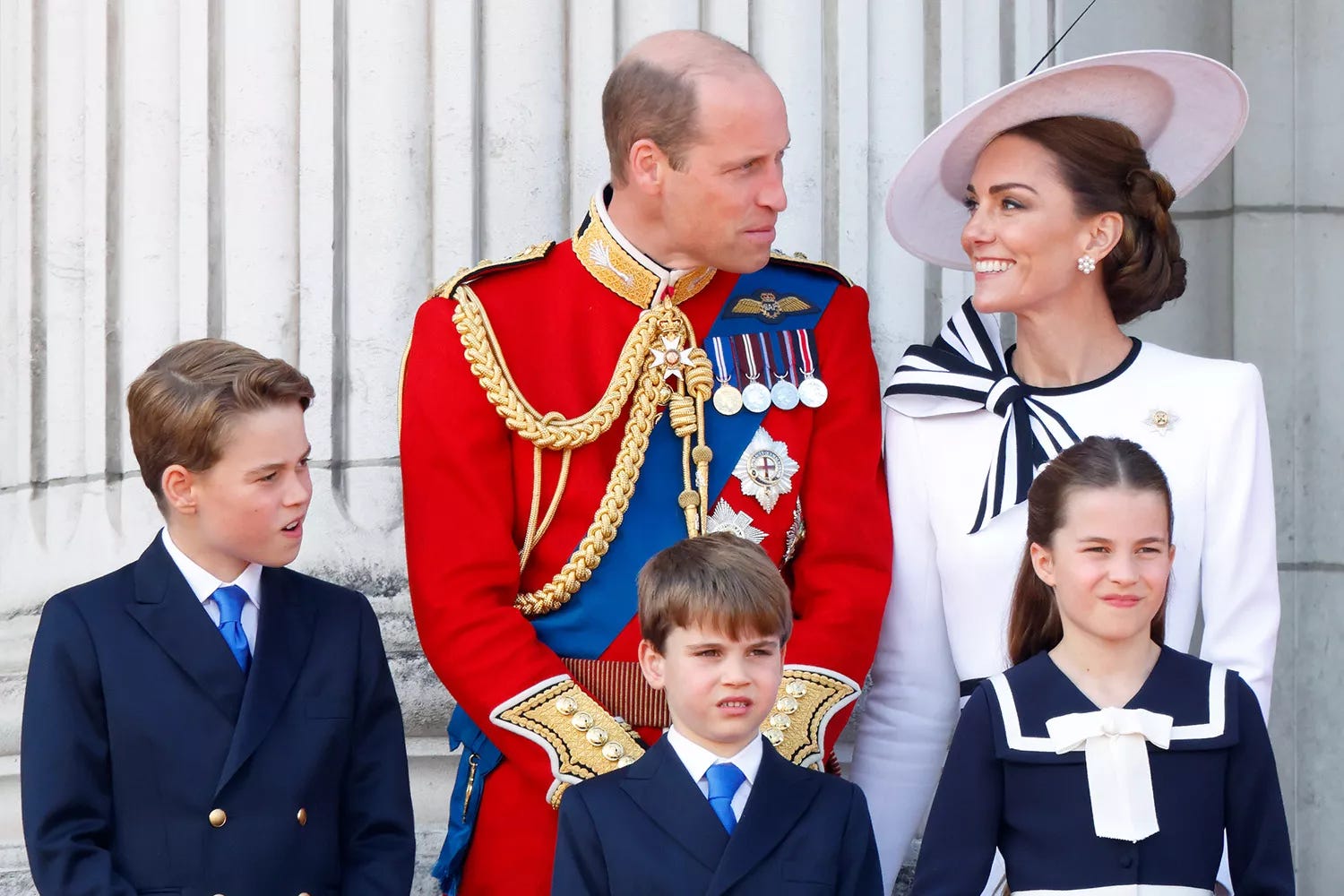
Growing Up Royal, Reimagined
What we’re watching, ultimately, isn’t just three children growing up royal. It’s a recalibration of power. Childhood, after all, is no longer a private matter when the heir to the throne is involved.
The Prince and Princess of Wales have built enormous public trust by centering children, connection, and discretion. The next phase of their family life will test whether that trust can carry them beyond the nursery gates, and whether the institution will allow their time to remain “their own” once the school run ends.
Growing up royal, it turns out, isn’t just about the children after all. Just as important are the people raising them. And of course, the Waleses’ emphasis on hands-on parenting exists alongside a reality they’ve never denied: the family has employed a full-time nanny since Prince George was a baby.

Maria Teresa Turrion Borrallo joined the household in 2014, shortly after George’s birth, and has remained a constant presence through the births of three children, moves to multiple homes, and an evolving public narrative around modern royal family life.
Trained at the prestigious Norland College, Borrallo represents the gold standard of professional childcare: highly skilled, discreet, and deeply embedded in the rhythms of the family.
She is, also, likely why so much symbolic weight is placed on who does the kids’ school run.
Time and again, royal reporting has emphasized Catherine “insisting” on personally dropping off and collecting the children from Lambrook, reinforcing a version of motherhood that is visible, deliberate, and (crucially) legible to the public. The message isn’t that the Wales children are raised without help, but that their parents remain actively, recognisably present despite their privilege.
Prince William has been keen to share in that framing as well. In his November interview with Brazilian television host Luciano Huck, he joked that he often feels like a “taxi driver.” When asked directly whether he takes the children to school, William replied: “Oh yeah. School run most days. I mean, Catherine and I share it. She probably does the bulk of them.”
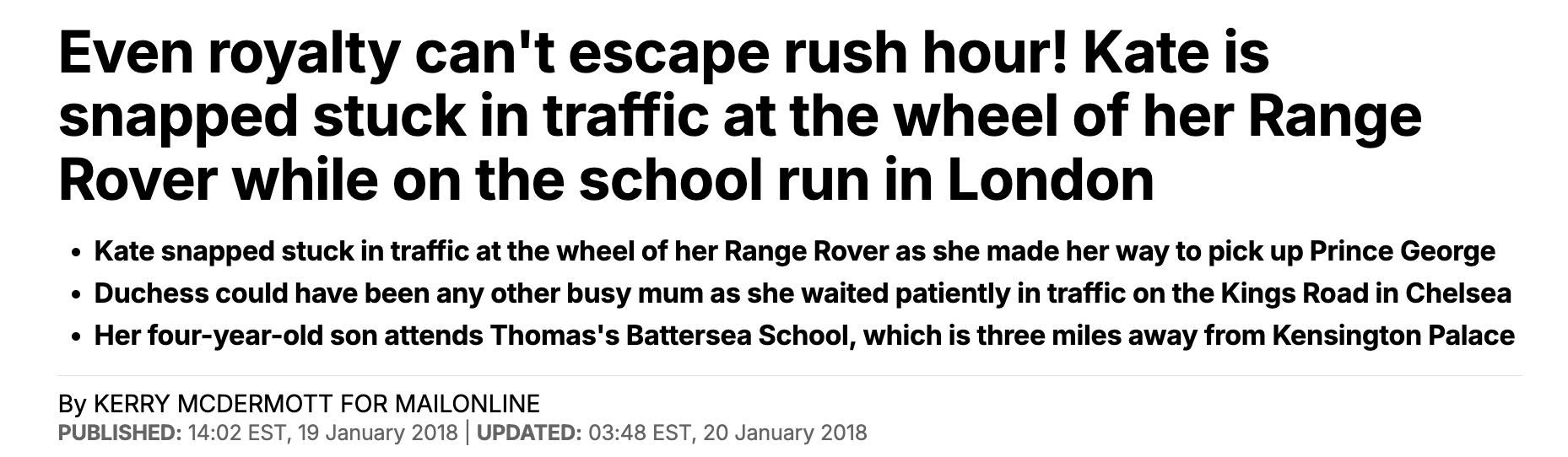
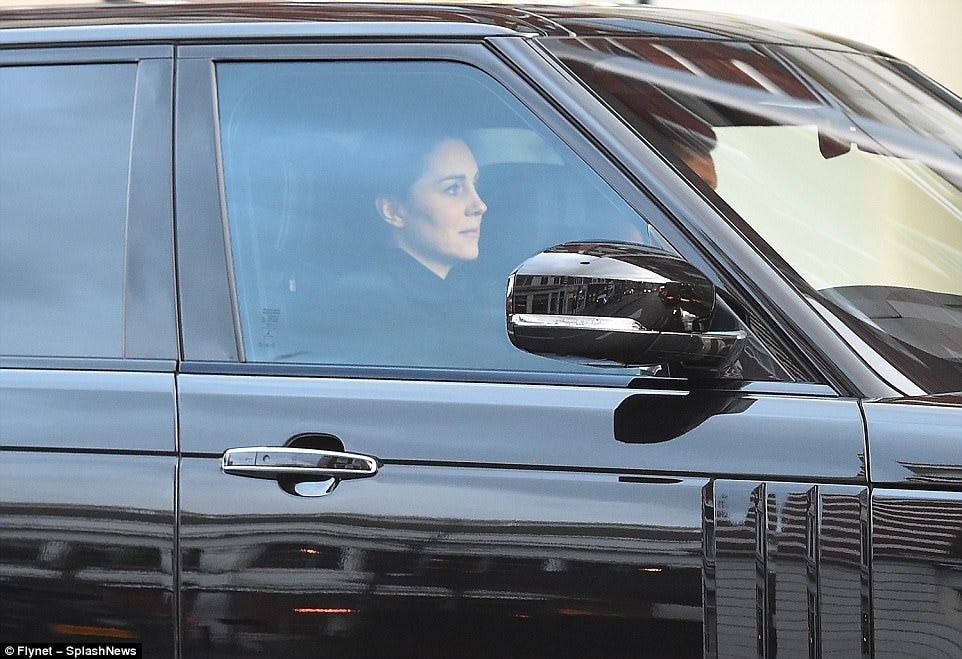
Does anyone else find that phrasing (“I do the school run! Well, okay; Catherine probably does most of them.”) rather…revealing?
Royal biographer Robert Jobson has been blunt about why: “Catherine is the Crown’s weapon—not so secret anymore,” he writes. “The institution doesn’t serve her. She serves it. And by doing it brilliantly, she has made it serve her family’s future. That’s mastery.”
Still, it’s worth remembering that Borrallo serves the monarchy, too. And her role has now been formally acknowledged by the institution that Catherine is said to steer so effectively. In the 2026 New Year Honours list, Borrallo was awarded the Royal Victorian Medal (Silver), a personal honour bestowed by King Charles III in recognition of her loyal service since joining the Wales household.
She was even spotted with the family as recently as December, riding in the back of a car driven by William as the five headed to the King’s Christmas lunch at Buckingham Palace:
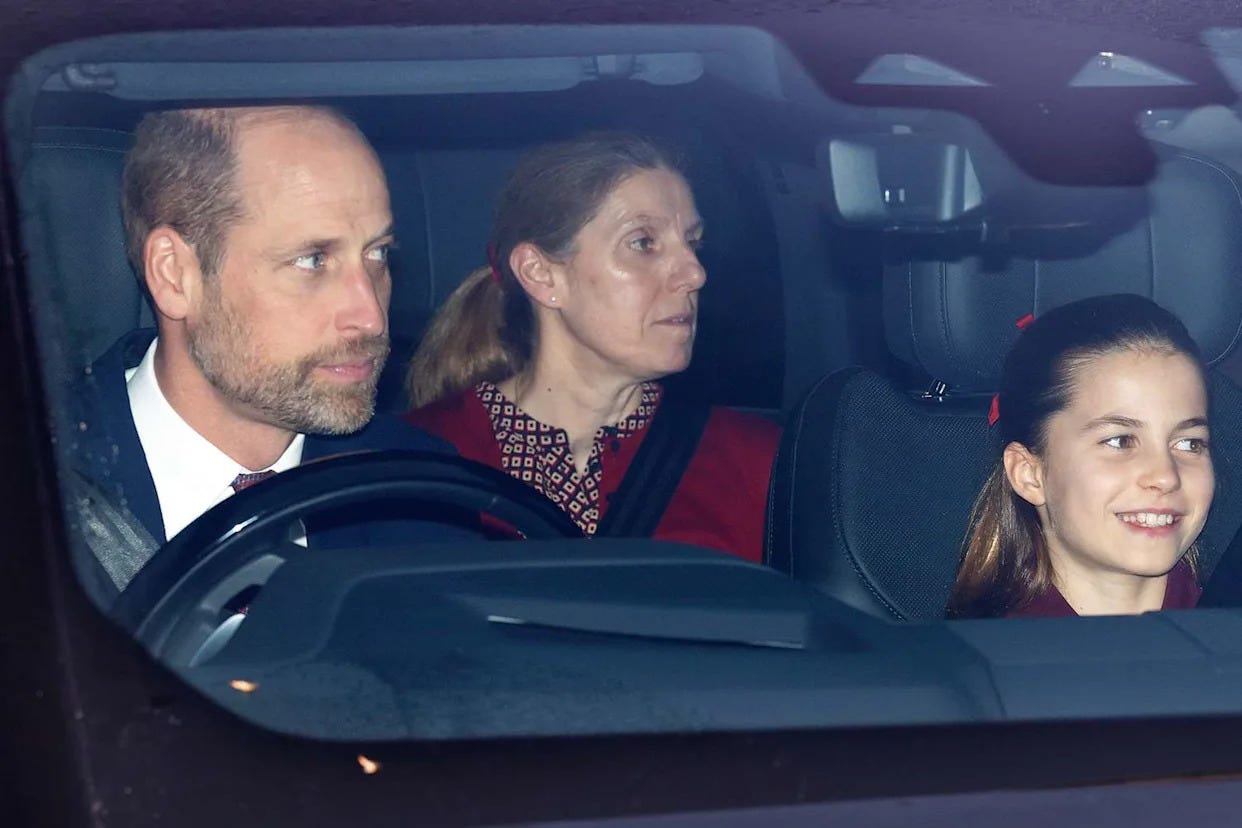
While she ceased being a live-in nanny when the family downsized to Adelaide Cottage in 2022, the move to the larger Forest Lodge estate is expected to see Borrallo residing in a smaller property on the grounds. Always close, but not visibly central. Which, in many ways, is the point.
The Wales model of modern royal parenting isn’t about rejecting help, but it is about controlling what the public sees: a princess at the school gate, a prince behind the wheel, and a substantial support system that operates just out of frame. Don’t get me wrong: the emotional and physical labor involved here is real, but it is also selectively displayed.

And as the Wales children grow older, and those daily rituals inevitably fade from view, the question will become whether the performance of hands-on parenthood can remain quite so effective once it no longer has a school gate to play against.



Follow