



where this royal rumor comes from…and why it won’t die
Every so often, a familiar claim resurfaces whenever Prince Harry and Meghan’s children are mentioned: Technically, don’t all royal children belong to the monarch? And the more sinister follow-up: If Harry brought Archie and Lilibet to the UK, could the King prevent them from leaving?
A reader raised this concern in response to Tuesday’s newsletter, in which we discussed the latest reporting on Harry’s UK security arrangements. (Thank you, Steph!) I totally get why there’s apprehension in the wake of reinstated protection could make family visits feasible again for Harry. It almost feels too good to be true, doesn’t it?
Prince Harry’s UK Security May Be Reinstated
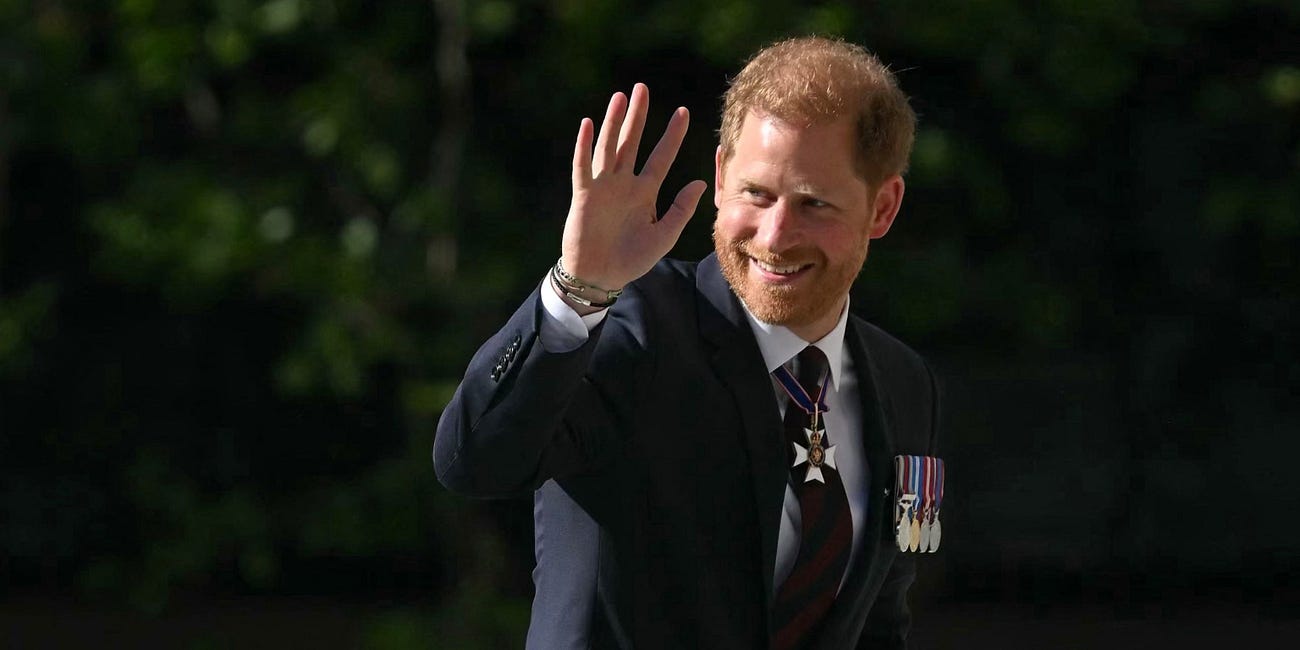
Prince Harry’s armed police protection in the UK is reportedly set to be reinstated. It’s a development that, safe to say, few people had on their 2026 bingo card.
It’s an understandable question: now that Harry might have a path to reintroduce his family to Britain, might there be another danger waiting around the corner? Might he be separated from the children he gave up everything to protect? This is an assumption that’s been circulating in royal discourse for years…but it’s also built on a fundamental misunderstanding of both history and law.
Because the short answer is no (but you’re not here for the short answer, are you?) The longer answer explains a lot about why royal mythmaking is so sticky in the public consciousness, and why the Sussexes, in particular, always seem to attract it.
A princely perogative
This rumor traces back to a historical royal concept that is wildly misapplied today: the royal prerogative over minors. Sometimes described as the monarch being the “guardian” of royal grandchildren, this power once saw the Crown exercise sweeping authority over heirs, particularly those in the direct line of succession.
But we’re talking medieval and early modern England here; the custody, education, marriages, and even residence of royal children were dictated by the sovereign as a method of retaining political (and physical) power. Heirs were political assets, and control over them meant control over dynastic stability.
However, that authority has not existed (in either practical or legal terms) for centuries.
The claim that the monarch can seize or control royal grandchildren does not arise from thin air. But it does come from a very specific, very old family feud that has been repeatedly flattened, misquoted, and repurposed far beyond its original context.
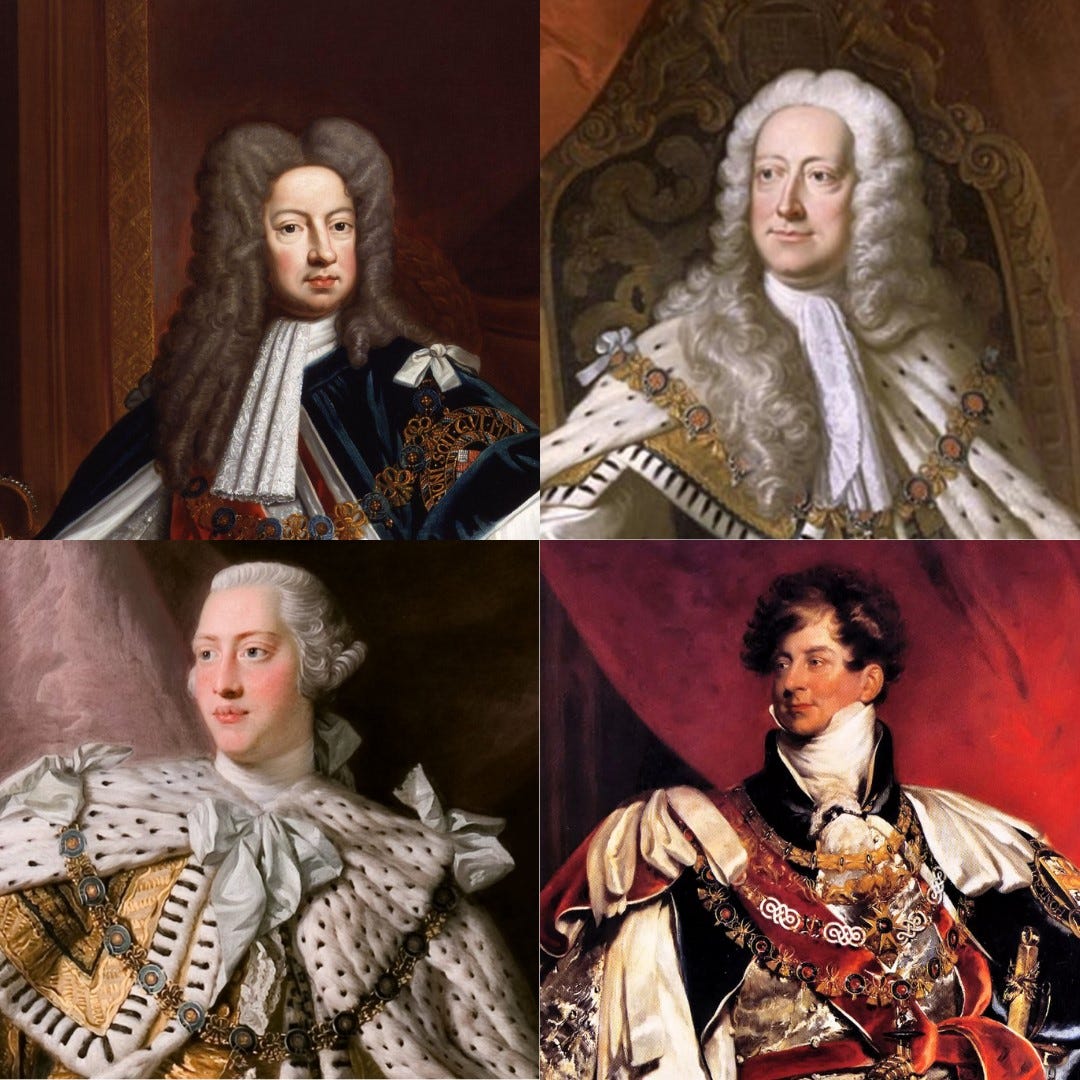
In 1717, King George I became embroiled in a bitter dispute with his son, the future George II, over the Prince of Wales’s upbringing of his children. The conflict escalated to the courts, where judges ruled (by a narrow majority) that the king’s right of supervision extended to his grandchildren, even during their father’s lifetime.
Read more about this era’s eerie parallels with the reign of King Charles III:
Rival Courts: Then and Now
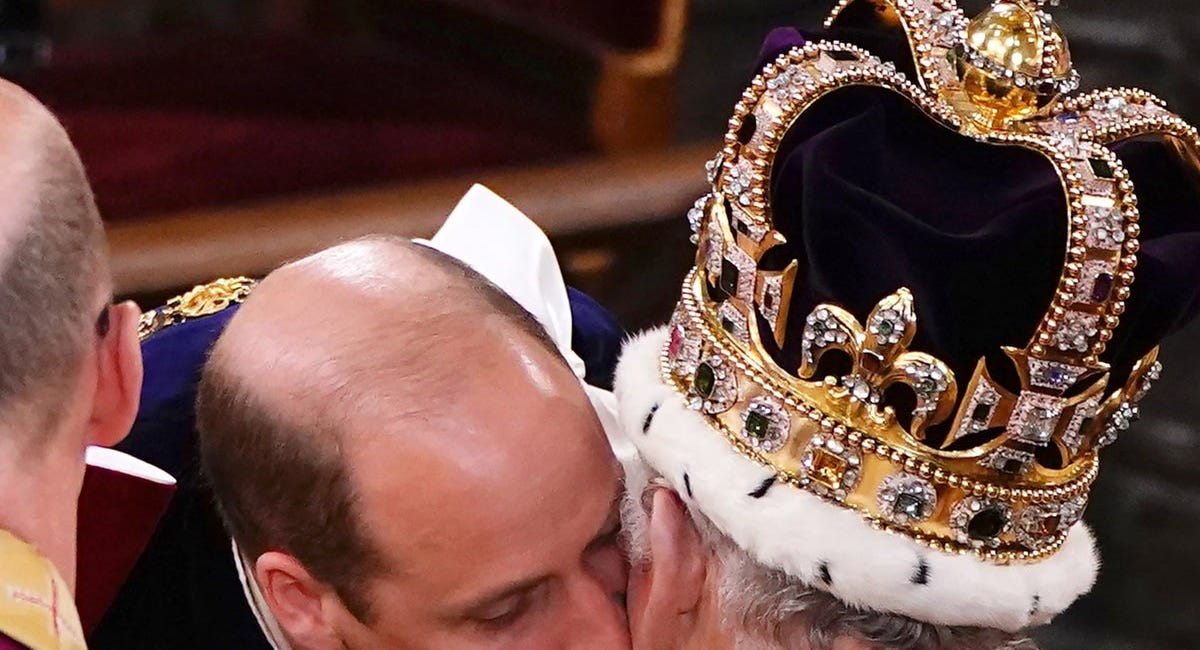
If you thought the Royal Family’s messiness started with Montecito, let me introduce you to George I—who imprisoned his wife, utterly loathed his son, and brought a mistress nicknamed “The Maypole” to court.
Georgian Judges, ruling on the case, declared that:
“the King’s right of supervision extended to his grandchildren, and this right belongs to His Majesty, King of the Realm, even during their father’s lifetime.”
In practical terms, King George I was granted authority over the upbringing and custody of his grandchildren—an extraordinary intervention even then, but one that reflected the absolutist assumptions of early-18th-century monarchy. The ruling, rooted in the royal prerogative, reflected the assumptions of an early-18th-century monarchy in which royal children were treated as instruments of statecraft rather than as private family members.



Follow