



 EXCLUSIVE
The royal family could suffer consequences if Prince William and Prince Harry’s feud isn’t resolved, a source claims.
Feb. 14 2026, Published 5:00 a.m. ET
Article continues below advertisement
Prince William is standing at a defining crossroads as Britain’s future king, with aides warning a continued freeze-out of his younger brother could carry consequences far beyond a family feud, OK! can reveal.
The Prince of Wales, 43, already acting as a pillar of stability during a turbulent period for the royal family, is under growing pressure from advisers who believe reconciliation with Prince Harry, 41, is not just personal but constitutional.
Article continues below advertisement
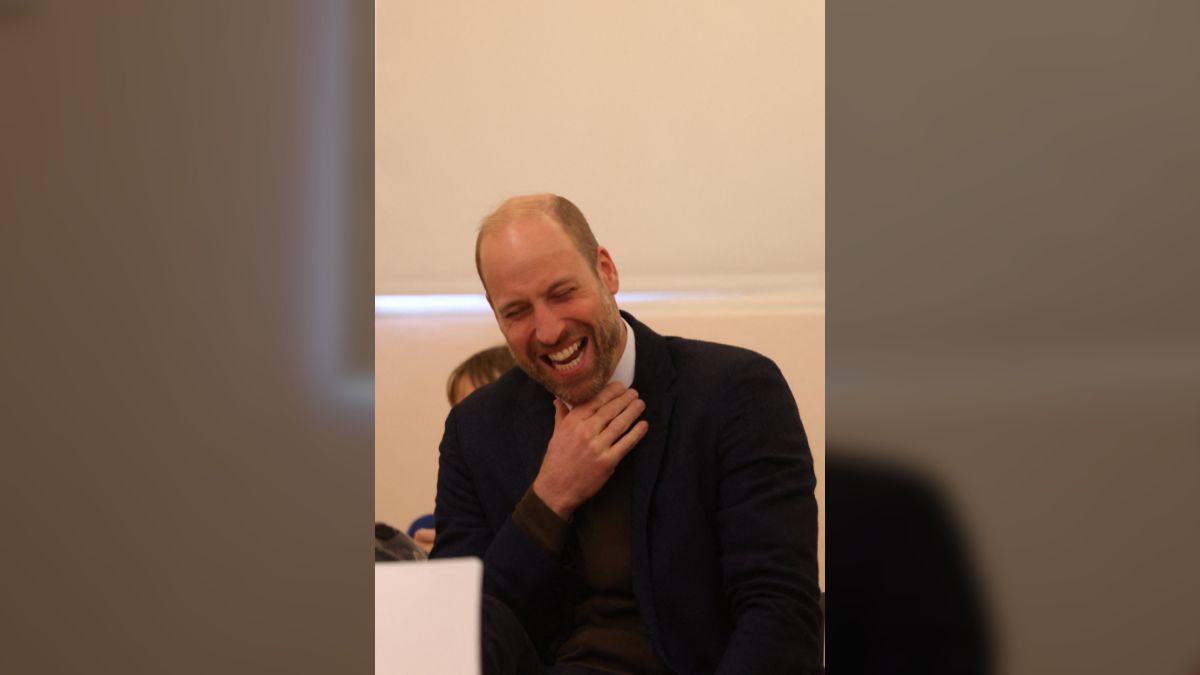
Prince William and his brother, Prince Harry, are still feuding.
Article continues below advertisement
Article continues below advertisement
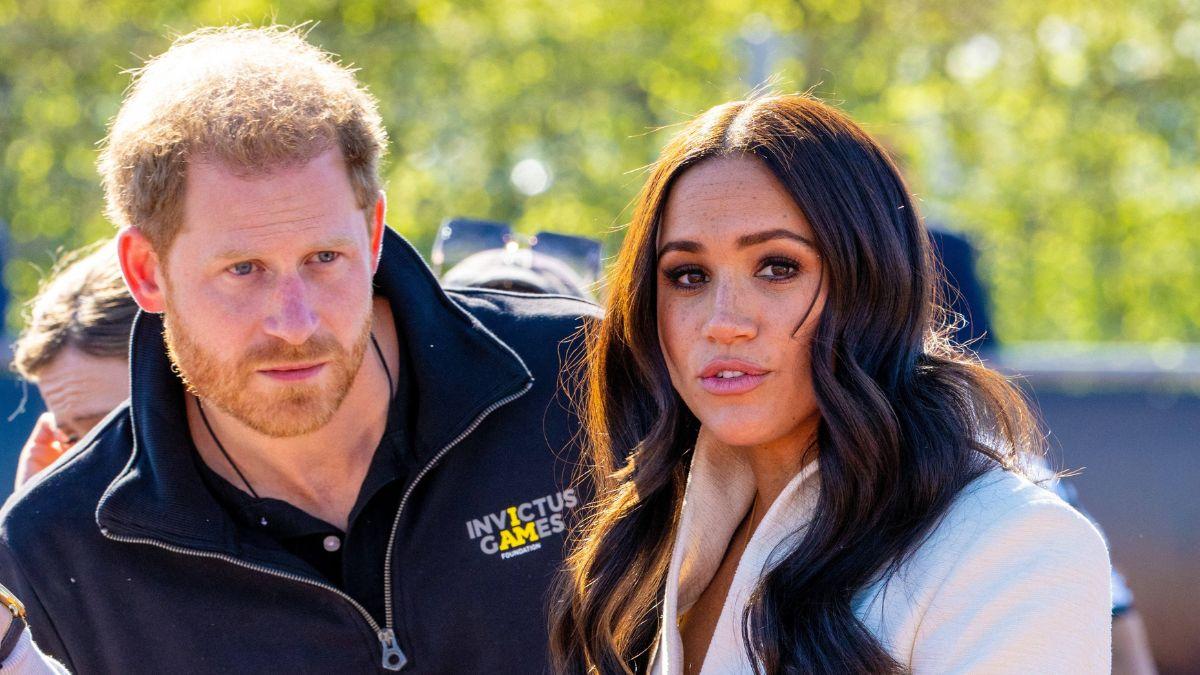
Prince Harry and Meghan Markle relocated to California.
Article continues below advertisement
Those disclosures, combined with ongoing media scrutiny, hardened attitudes inside Kensington Palace towards Harry at a moment when illness reshaped royal priorities, with both Kate Middleton and King Charles waging battles against cancer.
Both Charles, 77, and Kate, 44, were diagnosed with the disease in 2024, intensifying the sense the royal institution had little appetite for further disruption.
One palace source said the prevailing mood was pragmatic rather than emotional when it came to Harry and his desire to reunite with The Firm.
MORE ON:
Prince William
Want OK! each day? Sign up here!
Article continues below advertisement
“Within the household there is a sense of emotional and institutional fatigue,” they added. “From William‘s point of view, revisiting past conflicts has seemed less like resolution and more like an unnecessary drain at a time when focus and stability are paramount.”
Yet some advisers believe that calculation carries risk.
A senior courtier said: “William’s strength as a future monarch is not measured solely by work ethic or discipline, but by what he represents. If he is perceived as unable to bridge the most personal of divides, that impression inevitably carries weight beyond the confines of the palace.”
Another source added: “No one expects history to be rewritten. The value of reconciliation would lie in showing steadiness and self-assurance – proof that the future king is secure enough to absorb past conflict without being defined by it. It is a real risk to the royal brand if he cannot publicly show dignity and forgiveness.”
Article continues below advertisement
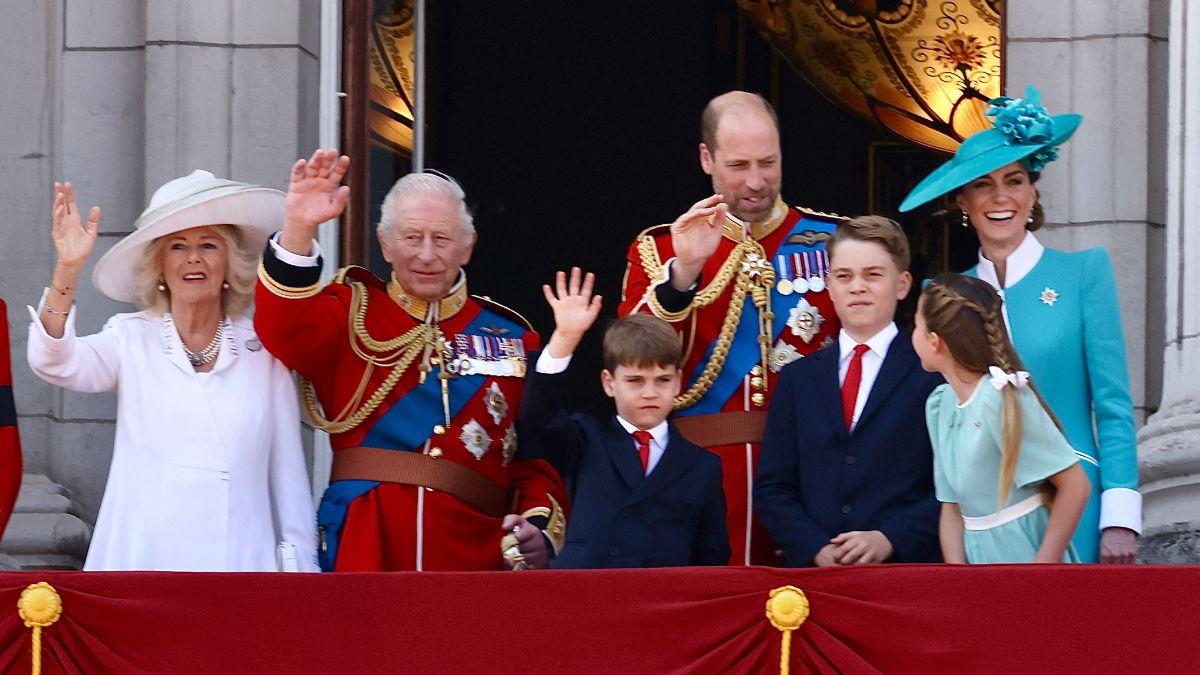
King Charles and Princess Kate were diagnosed with cancer.
Article continues below advertisement
Harry, for his part, has softened his public stance. In interviews last year, the duke acknowledged forgiveness may never come from certain quarters of his family as he said he would live a reunion with them.
But William has shown little inclination to bend. Polling also suggests the stakes are high. Public support for the monarchy has declined steadily over the past four decades, with younger generations increasingly disengaged or openly skeptical.
Some republicans view Harry as a symbol of rupture with tradition, while William is seen as its enforcer.
“A rupture that hardens into permanence risks feeding the impression of a monarchy locked in its own rigidity, unable to evolve or resolve even its most intimate conflicts,” one senior palace aide said.
Article continues below advertisement
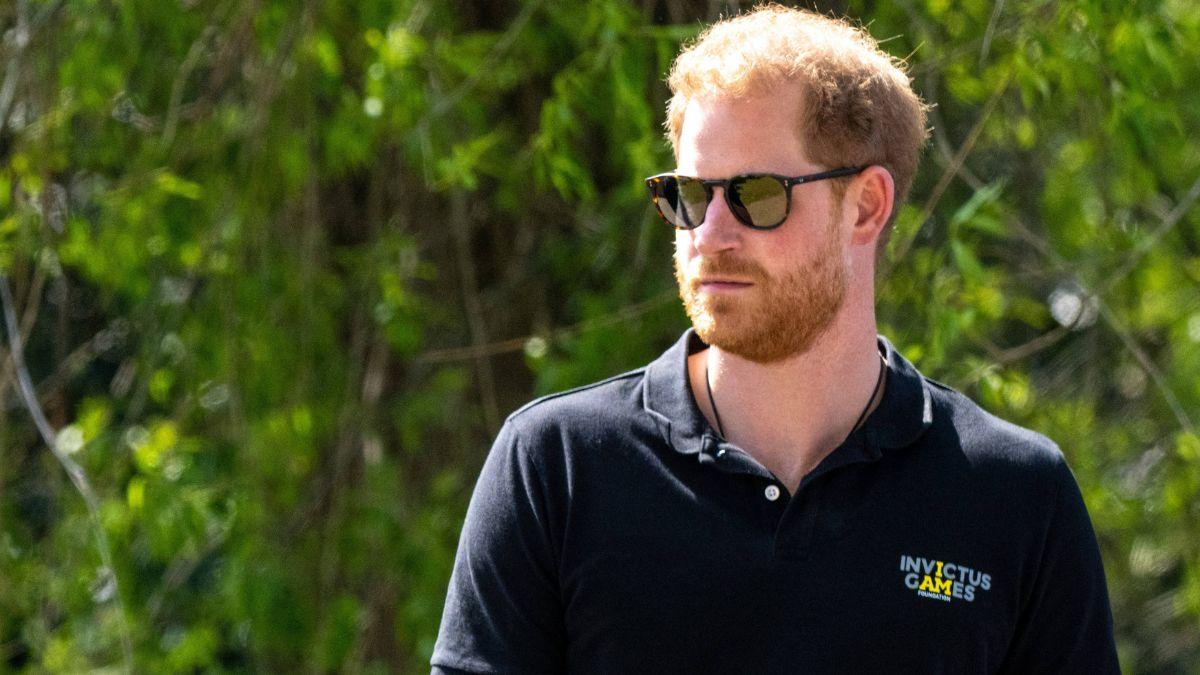
Prince Harry wants to reconcile with his family.
The late Queen Elizabeth II was often cited as a model of unity and a sovereign who absorbed private pain to project continuity.
Advisers say William will inevitably be measured against that legacy.
“No one is suggesting unanimity or absolution,” one added. “But simply reaching out to Harry would communicate confidence and control – a demonstration that disagreement does not threaten William’s growing authority.”
As the Prince of Wales prepares for a reign shaped by uncertainty and generational change, the question is whether he can separate personal grievance from public duty. For those urging reconciliation, the argument is simple.
“William does not have to share Harry’s view of events to take the first step,” a source said. “A willingness to reach out, however, would be interpreted as assurance and authority, not concession.”



Follow