



The Prince and Princess of Wales added some additional titles during a recent trip to Scotland.
This revelation comes hot off the heels of the news that the pair will be given new titles this spring, where they’ll first become the Grantors of Royal Warrants this year.
King Charles III gave them the titles early last year, meaning that both William and Kate can now publicly endorse their favourite brands.
“Royal Warrants are only granted to individuals or companies that have made a continuing and significant supply of goods and/or services, ordered and paid for by the Household of the Grantor, over a minimum trading period of five years within the last seven years,” the Royal Warrant Holders Association’s website reveals.
What this means for the brands is that they will be given ‘the right to display the appropriate Royal Arms on their product, packaging, stationery, advertising, premises and vehicles’ for the five years.
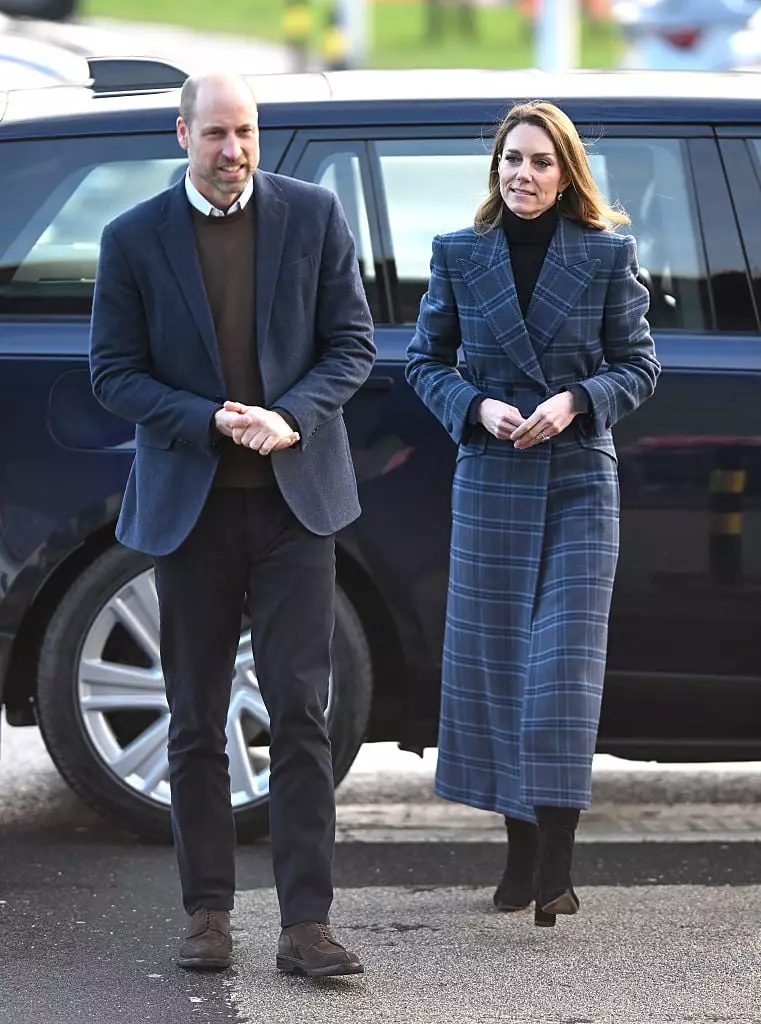
Prince William and Kate Middleton made a recent trip to Scotland (Photo by Samir Hussein/WireImage)
But they’ve also got another title, which is a bit more official.
The future King and Queen took part in a recent visit to Scotland earlier in the week, as part of their Royal duties. It was there that fans were a little confused about why they were called the Duke and Duchess of Rothesay as they walked around Stirling and Falkirk.
However, there’s actually a rather simple explanation for it.
It’s a 700-year-old tradition that royal author Robert Jobson wrote about in 2022, per the William at 40: The Making of a Modern Monarch.
“North of the England border they’re known as the Duke and Duchess of Rothesay,” he shared on the Mail’s Palace Confidential podcast.
“It’s a title which dates back to when Scotland was an entirely separate kingdom before the union with England,” he added.
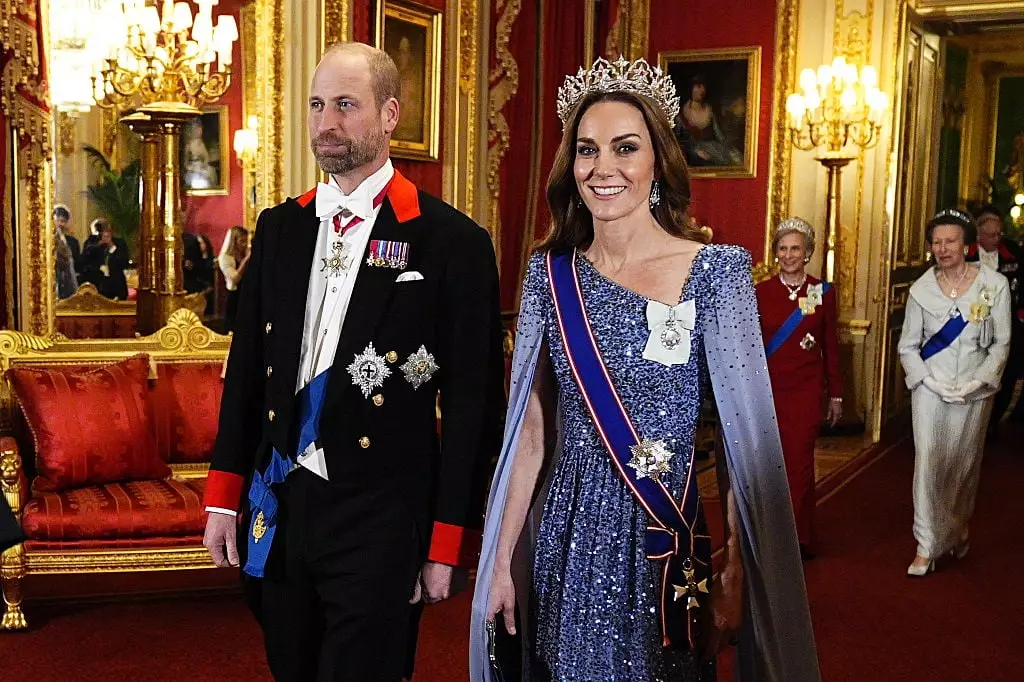
The title change is quite the ancient tradition (Aaron Chown – Pool/Getty Images)
“The title descends from that given to. I think one of the first kings of Scotland gave to his eldest son and its descended ever since the early 14th Century.”
To be precise, it dates back to 1396, per Royal Central, and was known to be a title passed down to the heir apparent of the Scottish Crown.
However, it can only be passed down to the first male heir, meaning Prince George is likely to inherit the title once Prince William becomes King William.
As well as the Duke and Duchess of Rothesay, they’re also known as the Duke and Duchess of Cornwall and Earl and Countess of Chester.
At some point, they’ll also be known as King and Queen, so they’d better not get too attached to their current titles or dare to personalise items with the Duke and Duchess monikers.



Follow