



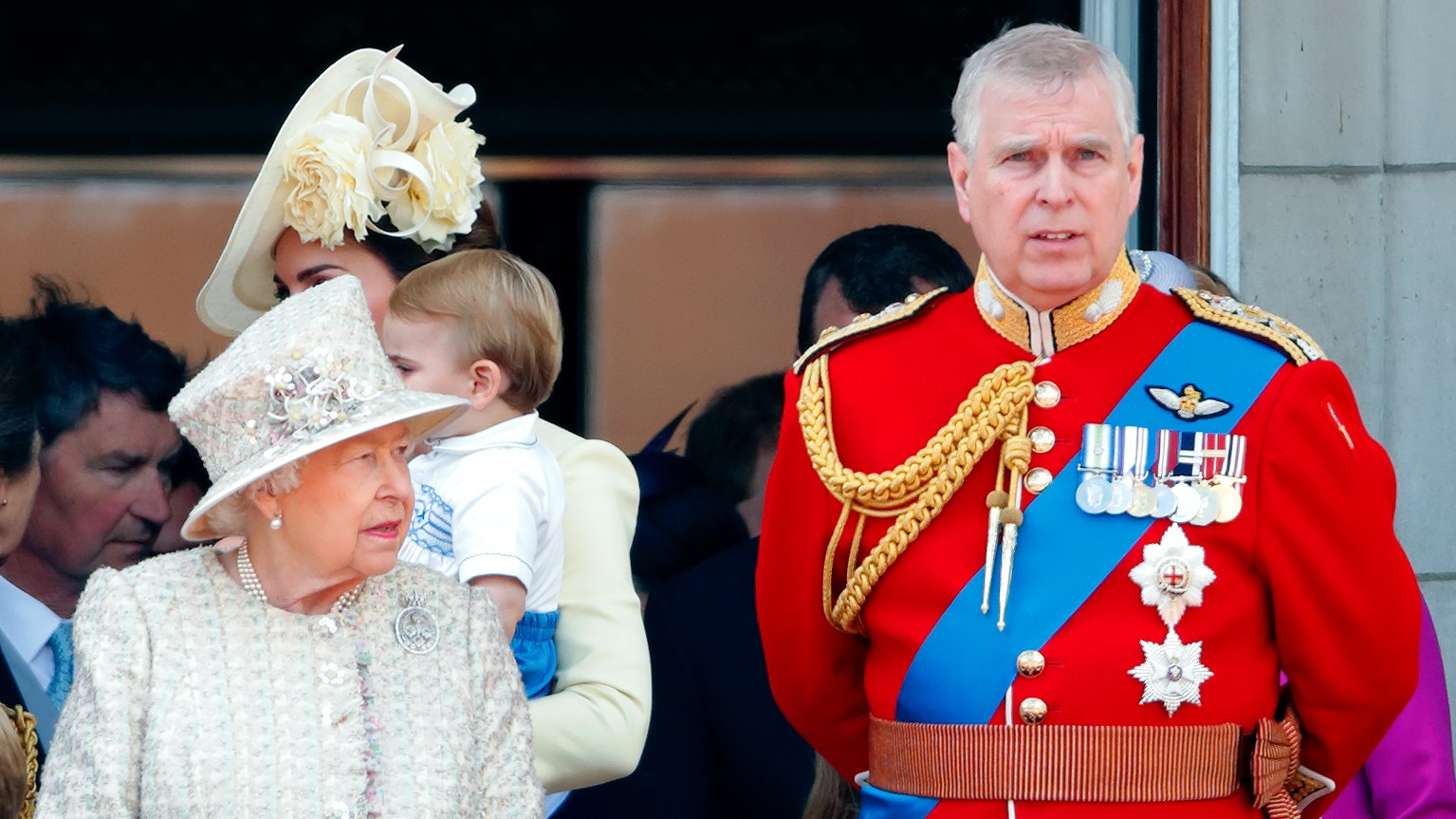
The late Queen loaned Andrew millions to settle his lawsuit
MAX MUMBY/INDIGO/GETTY IMAGES
If a man asked his family for a loan of £12 million to settle a lawsuit brought by a woman accusing him of serious sexual misconduct it is not unreasonable to suppose that questions — no-nonsense questions — would be asked by the relatives stumping up the money. No family, not even the most carefree of billionaire dynasties, would simply hand over the cash and tell the alleged rogue male to think nothing more about it. And there is nothing carefree about the House of Windsor when it comes to money. If in doubt, try getting hold of the will of a senior royal. While the wills of ordinary mortals are usually published, royal ones remain locked away from the public gaze.
So it can be assumed that the request from the Duke of York to his family in 2022 for £12 million to settle a civil claim for sexual assault by Virginia Giuffre would have met with a salvo of questions from his relatives and the courtiers who protected them.
This, after all, was a decision of huge importance. If made, the payment would raise the question: why did Andrew, who denied even knowing Ms Giuffre during a BBC interview in 2019, feel it necessary to settle a vexatious lawsuit in so expensive a way? Yes, civil claims can be settled by innocent people for various reasons, but there must have been questions as to why it was necessary.
• King denies contributing to Andrew’s £12m Giuffre settlement
The answers, however, remain a mystery to the outside world. While politicians past and present on both sides of the Atlantic have been caught in the fallout of the Jeffrey Epstein scandal, and the government of Sir Keir Starmer has been contaminated by the decision to appoint the paedophile financier’s friend, Lord Mandelson, as ambassador to the United States, Buckingham Palace has so far avoided the worst but the questions are mounting. Royal aides must have tracked developments in the Epstein saga as the reputational threat it posed to the monarchy grew inexorably. Andrew has always denied wrongdoing, but what information did the Palace derive from other sources?
There is much about the monarchy’s involvement in the scandal that requires explanation. For example, where did the payoff come from? It is understood the King did not contribute to the payment, which appears to have been met by the late Queen and the estate of the Duke of Edinburgh. In the case of the former, did that money come from the Duchy of Lancaster? If so, why, given its earnings are public money not “private” royal income, as so often claimed? And what of Andrew’s protection team? What did they see? The Palace has struggled to keep pace as successive releases of Epstein material have punched more and more holes in Andrew’s increasingly leaky version of events.
Last year the King stripped his younger brother of his princely title and honours and more recently has in effect consigned him to internal exile by evicting him from Royal Lodge and settling him in a farm on the Sandringham estate. The Palace is now promising full co-operation with Thames Valley police as the force investigates the possible betrayal by Andrew to Epstein of information gained during his time as a government trade envoy, allegations that he has denied. The King is said to be profoundly concerned by the fresh disclosures, and the Prince and Princess of Wales have reinforced that sentiment with a brief statement. However, given the allegations against Andrew, soundbites will not do.
It is time to look into dark corners. It is time for the royal household to agree to an inquiry into its knowledge and handling of the Epstein affair. The public, who pay for the monarchy and entrust to it the dignity of the nation, are entitled to know who knew what and when. For years, the Palace has fought a delaying action over Epstein, conceding ground only when the pressure becomes too great. But the monarchy cannot remain immune to scrutiny of its response over years to an affair marked by corruption, exploitation and depravity.



Follow