



This week marked Prince Harry’s third round of slogging it out in London’s High Court, speaking his truth to the power that is the British press. With a win under his belt against the Mirror Group and an unprecedented apology and payoff from Murdoch’s empire in 2025, the good money is on Harry and his celebrity chums against the Daily Mail’s parent company, Associated Newspapers Limited.
There was an air of nonchalance as the designer-clad claimants sashayed into court on Monday: Liz Hurley and her doppelganger son, Damian, Sadie Frost behind large glasses, and Hazza, hand in pocket, familiar face, warm smile. “Mr Mischief”, according to ANL’s barrister. Not a bit of it, insisted the Duke.
And so to the serious business of rebuttal and counterclaim in the witness stand. Here, Harry has form; what he lacks in intellectual acumen he more than makes up for with self-possessed sincerity; there is no doubting the Duke’s firm belief in his own righteousness, his own truth and his own slighted ego.
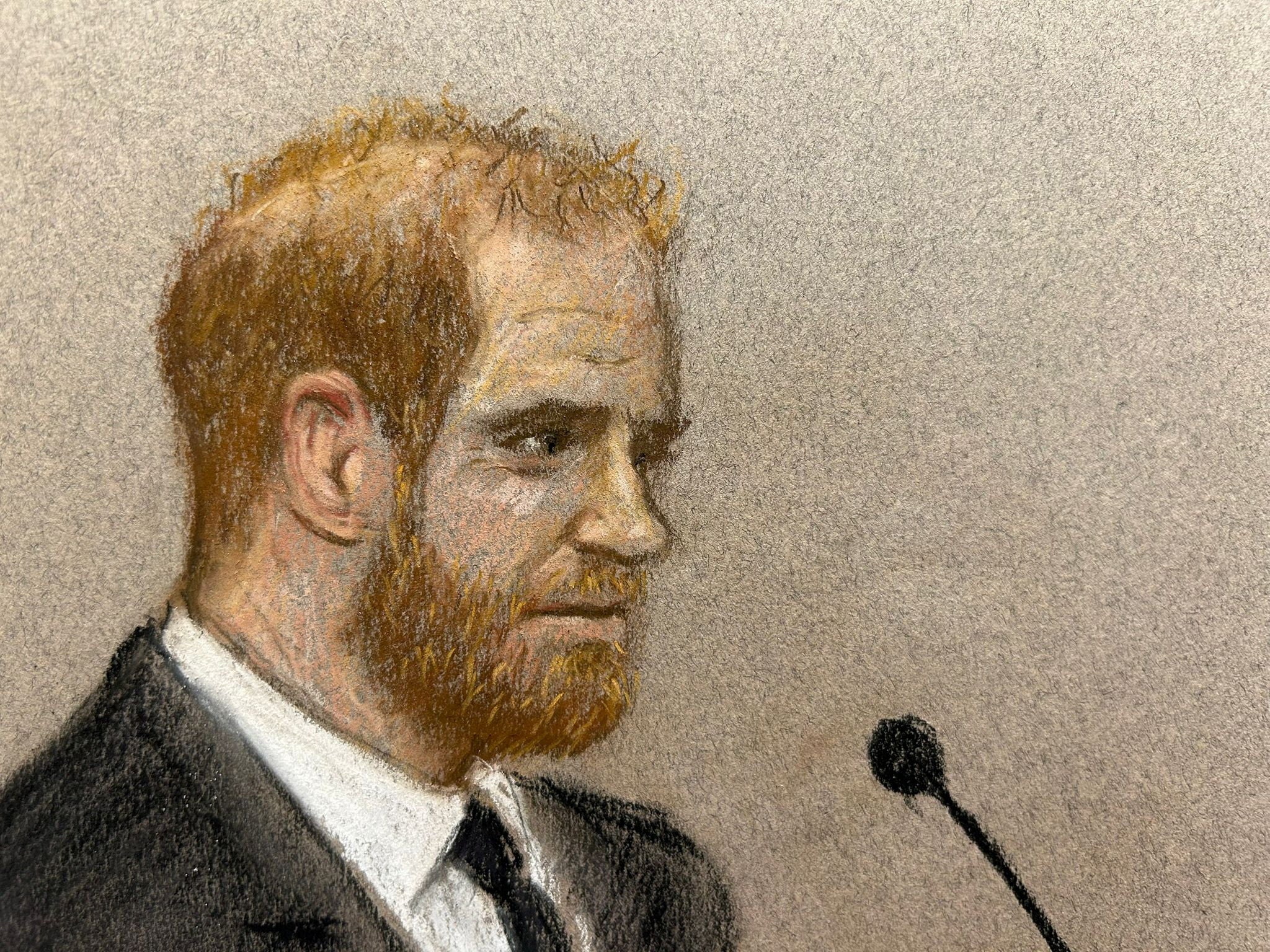
He was deliciously emphatic: there were no leaky friends, just murky journalists, a royal family stymied by the mantra “never explain, never complain” and a wife whose life was made “a misery”. Harry’s bottom lip wobbled. The ultimate empath, he visibly wore Meghan’s pain in court; better still, he weaponised it to remind everyone of the evil tabloid juggernaut that almost struck twice. (Lest we forget, Harry believes his late mother, Diana, was killed by the paparazzi chasing her car into that infamous Parisian tunnel.)
The Prince doesn’t just hope for a third press scalp; he believes he is owed it. Freshly pressed from the Californian sunshine, this is a man born so rich and famous he wears his entitlement like a magic coat; one perfectly tailored to meet his princely needs as both the son of a king and the millennial spokesperson for a dispossessed generation who have taken refuge from a dangerous world in wellbeing and identity quests. If only they had Harry’s money and Harry’s chutzpah.
The Duke of Sussex is not an intellect, nor is he particularly good-looking. He once managed to be brave and dutiful in a military story that is now old hat, but it does not matter. What Harry has can’t be worked for; his asset is not a stripe on his arm or a grade in an exam. No, the Duke’s secret weapon, the lightning rod that gives him the space to air the same grievances all over again, is his (God-given) right to service his own agenda.
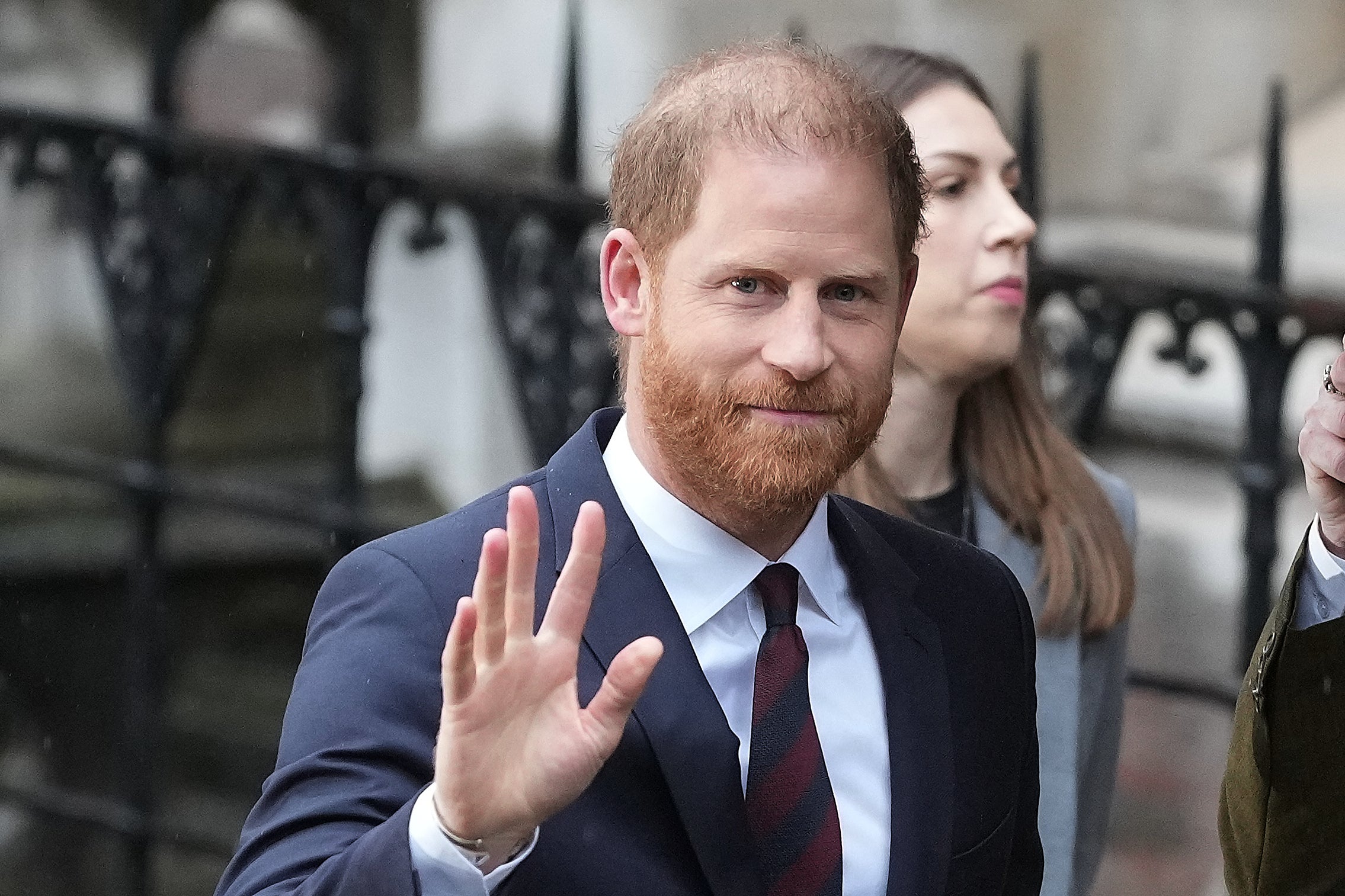
He does not symbolically rule like his father, and forgets the “hard-working royal” shtick that Anne goes in for, ditto any save-the-planet efforts from the Prince of Wales. Harry understands that to save others, he has to save himself. Cue the archetypal millennial prince. A man-child who leans into an annual, voluble overshare on the condition that we all watch and someone else pays for it. Eye-wateringly entitled? Yes. But what did we expect? After all, Harry is a homegrown heady combination of hereditary principle and generational grievance.
The bilious articles that have spewed from the right-wing press over the last few days are yet more evidence that the Duke of Sussex retains the capacity to trigger established British opinion like no one else. Meanwhile, his sense of self remains unwavering, his wife’s overpriced jam flies off Californian shelves, and secretly, almost every underwhelmed, marginalised, debt-ridden young person cheers him on for charging ahead on his own pain-ridden mission.
In 1997, the death of Harry’s mother saw an extraordinary outpouring of national grief; the sudden demise of Diana turned the tide on ideas of the British stiff upper lip. Thirty years on, her second son charges ahead, recasting that legacy for a new dawn and a very different generation. Cue the flame-haired knight, the campaigning prince whose righteous fight speaks to a millennial mindset, fed up with ideas of duty, deference, and privilege in a system that does not work for them.
Be in no doubt that Harry is a pioneer. In the High Court the Duke’s fame and fortune overshadowed his illustrious co-complaints; Liz Hurley’s tears were but a footnote in a greater game, one small battle in a war for the truth cast in Prince Harry’s name. It is no surprise that the same week Harry took to the stand in London, across the Atlantic, another “truth bomb” was detonated – six Instagram stories from his new friend and Gen-Z counterpart, Brooklyn Beckham rocked the showbiz world. Sir David’s unhappy first-born took down his uber-establishment celebrity family with various allegations in a move that was directly out of Prince Harry’s playbook.
“For my entire life, my parents have controlled narratives in the press about our family. The performative social media posts, family events and inauthentic relationships have been a fixture of the life I was born into.”
The words might have been written in Spare, and the parental response, when it came, had overtones of “recollections may vary”. Sir David Beckham neatly opined to CNBC’s Squawk Box on the dangers of social media, insisting that: “children are allowed to make mistakes. That’s how they learn… but you know, you have to sometimes let them make those mistakes as well.” How very wise, how very patronising. To steal Harry’s courtroom quote: how very “never complain, never explain”.
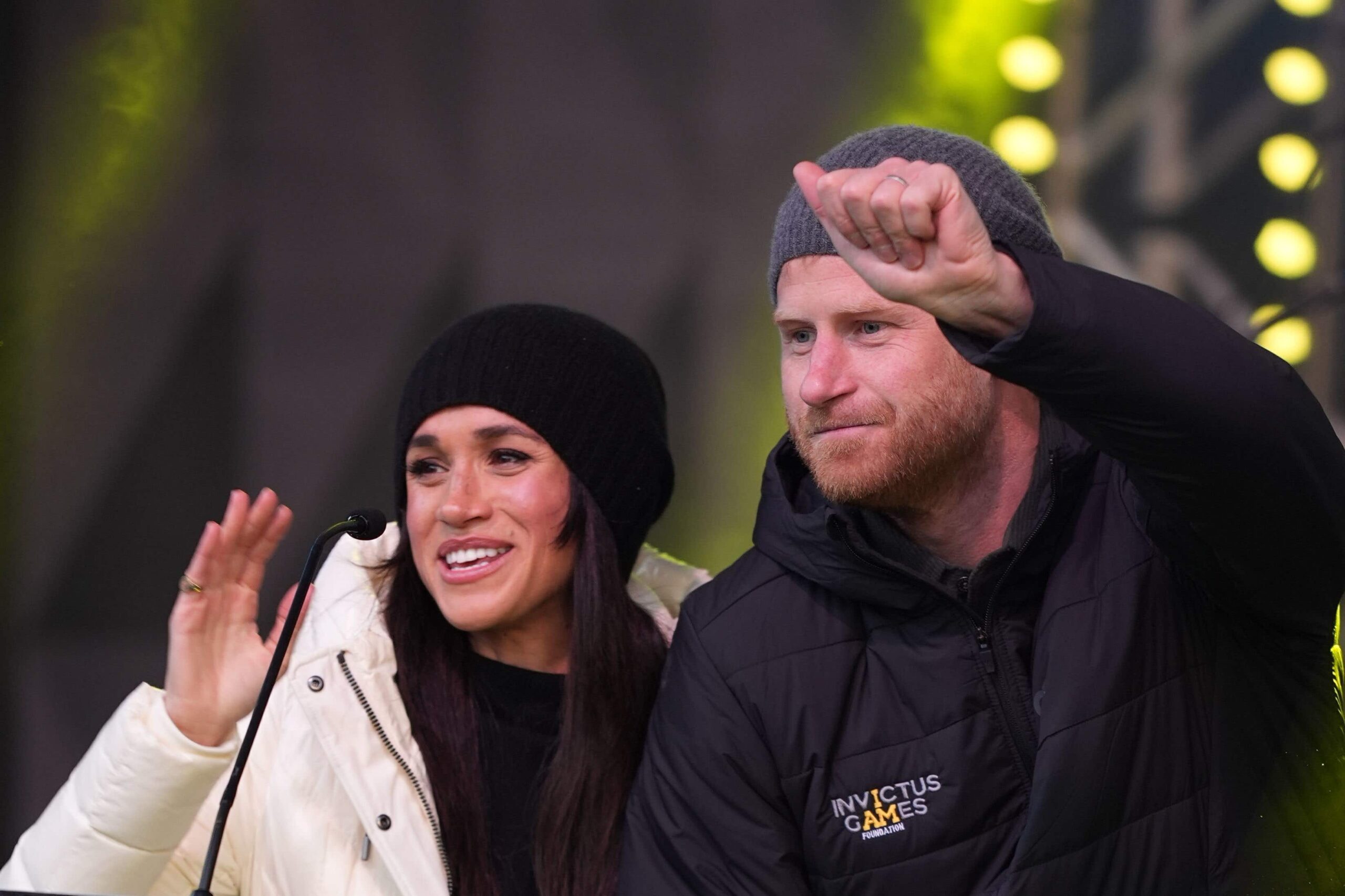
Reams of column inches have been consumed demeaning Brooklyn, the nepo-baby who threw his footballing father and pop-star-cum-designer mother under a bus. But most of it missed the point: possibly emboldened by his Californian mentor Harry, Brooklyn does not seem to care what the mainstream media thinks, he is entirely focused on his own truth, his own agenda and his (fluctuating) identity, independent of (but entirely dependent on) the Beckham Brand.
Cue exasperated side-eyes and waspish comments about snowflakes and hypocritical spoilt brats, but the cynics who roll their eyes today are not the future. As we enter the brave new world of unaccountable individual platforms facilitated by remote Tech Bros, it is precisely those disaffected millennials and Gen Zs who will have their hand on the tiller. This cohort is on track for the first time since the Second World War to be poorer and less healthy than those who gave birth to them. Their myopic focus on self-help and wellbeing is explained by the increasingly fragile world they are about to inherit.
With 13 fireplaces in a Montecito mansion and wealth beyond almost anyone’s wildest dream, Harry’s reality does not match his millennial peers, but his sense of grievance does. And there’s the rub. For royalists and old school thinkers, it is infuriating that a man with so much, a Duke who flaunts his titles and privilege, simultaneously weaponises that entitlement to attack the very source of his good fortune – the House of Windsor and the press that has so doggedly emboldened its modern brand.
Only someone with Harry’s level of wealth and security could burn down the house he was born into, secure in the knowledge he has another one, and in doing so speak for a generation who feel his anger but don’t enjoy his agency.
Despite all the Duke’s many contradictions, the zeitgeist sits with Harry; that is why he’s so compelling to watch. With a zealotry rarely found in secular society, the Duke relieved his pain this week to prove a point: to be attacked by the press is “a horrible experience, and the worst of it is that by sitting up here and taking a stand against them, they continue to come after me”.
”Hypocrite!” Well may you cry. This is the man who trounced his family! But that family doubles as an institution of the state, and Harry as the millennial freedom fighter. In a post-truth world without a rule book, one overwhelmed by influencers and strongmen, the royal spare is simply sticking up for the underdog, much to the delight of his own misunderstood and maligned generation.
Tessa Dunlop is the author



Follow