



in 1938, the author predicted the British monarchy’s transformation from sacred institution to carefully managed enterprise
Virginia Woolf, born in South Kensington on this day in 1882, was brought up within the kind of English privilege that made the monarchy impossible to ignore. With her father, Leslie Stephen, a renowned author, and mother, Julia Duckworth, a model, she grew up surrounded by intellectual and society figures alike.
![[object Object]](https://substackcdn.com/image/fetch/$s_!3IOG!,f_auto,q_auto:good,fl_progressive:steep/https%3A%2F%2Fsubstack-post-media.s3.amazonaws.com%2Fpublic%2Fimages%2Fd2c86e2c-9108-4a7a-98ad-4a21da44b81d_1111x822.jpeg "[object Object]")
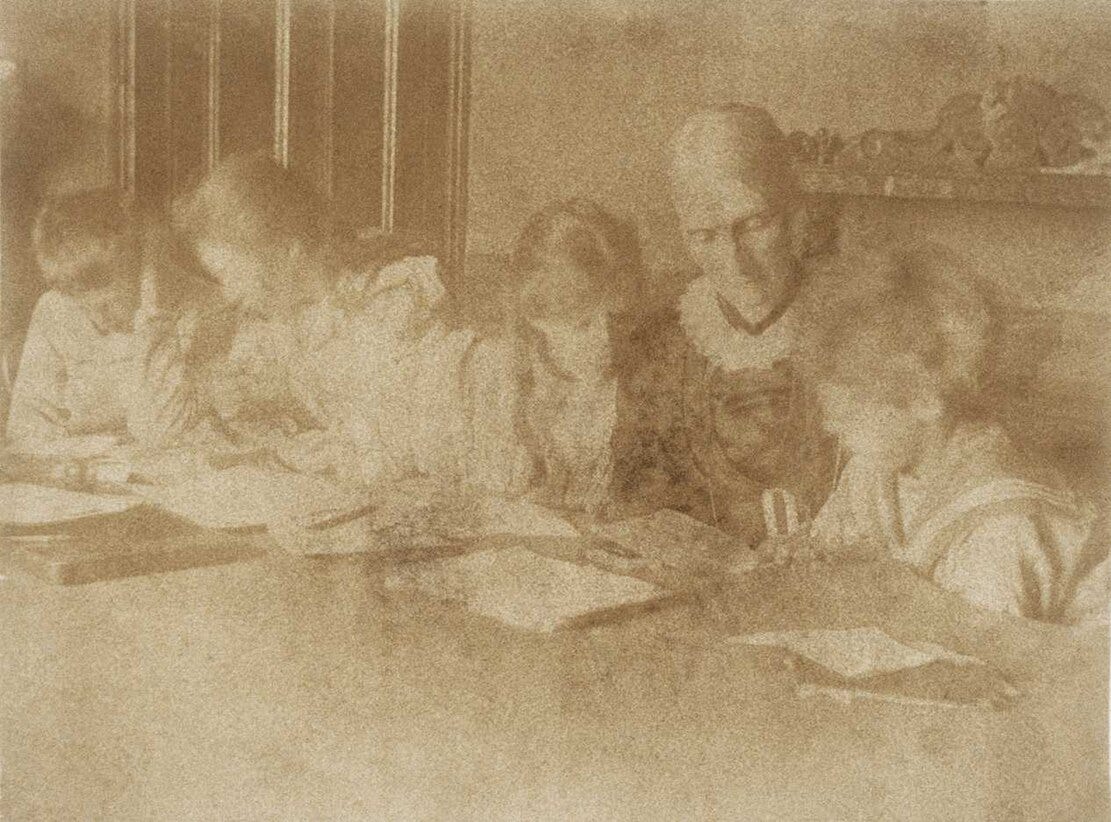
She and her sister, Vanessa Bell, were educated at home against the backdrop of her father’s extensive library, but Virginia later resented not having received the same formal university education as her brothers and half-brothers.
Equally, the monarchy would soon become impossible to romanticize without reservation. Woolf was steeped in its rituals, its language, its assumptions. And yet, when she turned her attention to royalty as a subject worthy of analysis, she did so not with reverence, but with curiosity…and a quiet, razor-sharp skepticism.
After her father’s death in 1904, Woolf moved with her family to London’s bohemian Bloomsbury district, heavily associated with literature, the arts, education, and medicine. Others in her circle included John Maynard Keynes, E. M. Forster, and Lytton Strachey.
In 1939, Woolf wrote a commissioned essay on the British royal family for Picture Post. But upon delivery, the editor declined to publish her words, worried they would be received as “an attack on the Royal family.” The piece would not appear until after her death, collected in The Moment and Other Essays. By the time it was finally published, the essay seemed almost quaint; Woolf’s critiques were not revolutionary in tone. If anything, she was exceedingly generous, perhaps even indulgent.
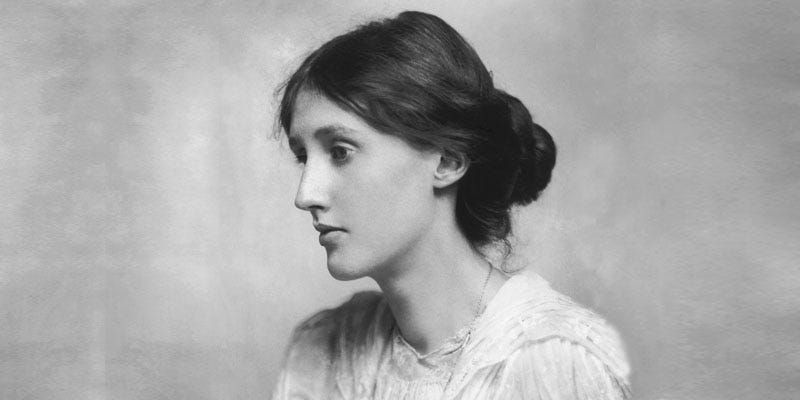
She did not dismiss the monarchy outright, and in fact went out of her way to acknowledge the institution’s unique imaginative power. “Love of Royalty,” she wrote, “or to give it its crude name, snobbery, is related to the love of pageantry, which has some connection with love of beauty—a respectable connection; and again with imagination—which is still more respectable because it creates poems and novels.”
This is Woolf at her most mischievous and most perceptive. The monarchy endures not because of its snobbery and rules, but because of what those vestiges of British society inspire: continuity, spectacle, and character.
Perhaps most intriguingly, Woolf also argued that royalty provided something the Church no longer could, against the backdrop of a rapidly modernizing world: “It gives us a Paradise to inhabit,” she wrote, “and one much more domestic than that provided by the Church of England. Pile carpets are more palpable than fields of asphodel, and the music of the Scots Greys more audible than the hymns angels play upon their harps.”
This was not a flippant remark. Woolf was suggesting that monarchy functioned as a secular faith—a shared cultural space—where people could invest their longing, imagination, and belonging…freed from the abstractions of theology. Royalty was heaven, but was also set within inhabitable spaces.
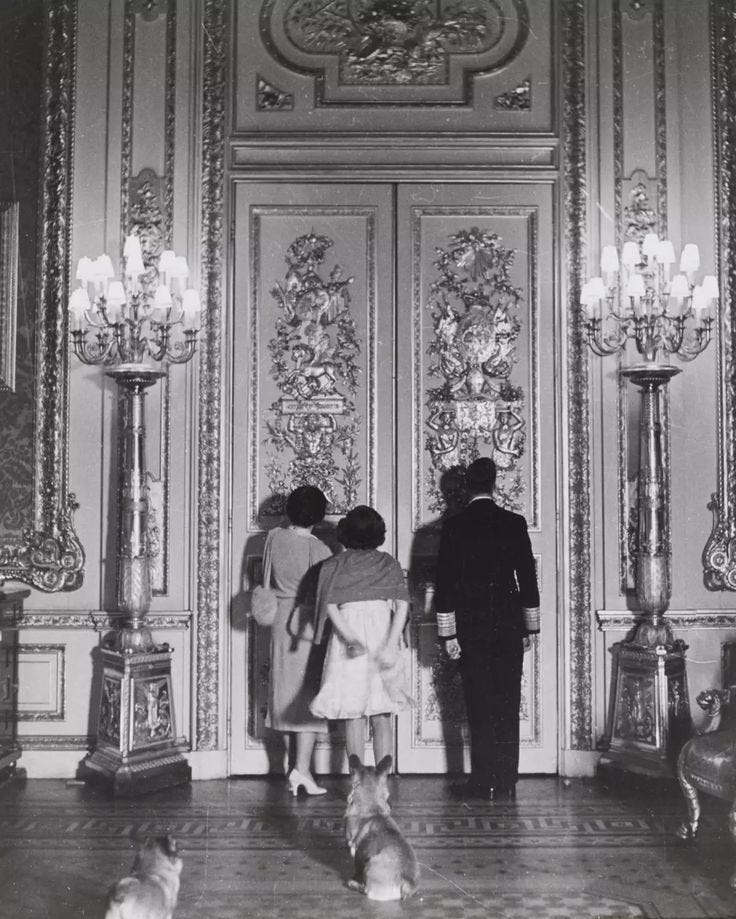
“Real people live in Buckingham Palace,” Woolf observed, “but always smiling, perfectly dressed, immune, we like to imagine, if not from death and sorrow, still from the humdrum and the pettifogging.” In the late 1930s, the monarchy reassured the public that somewhere, beyond the reach of bills and boredom, life still unfolded without surface tension. Even if we were not dukes, such beings existed. That knowledge itself was consoling. (And honestly, have times changed all that much?)
Woolf was writing at a moment when that illusion had already begun to fracture. She referred to “the last few years” as damaging the great Victorian dream of monarchy, and her readers would have known exactly what she meant. In 1936, Edward VIII abdicated the throne (in part) to marry Wallis Simpson, an American divorcée.
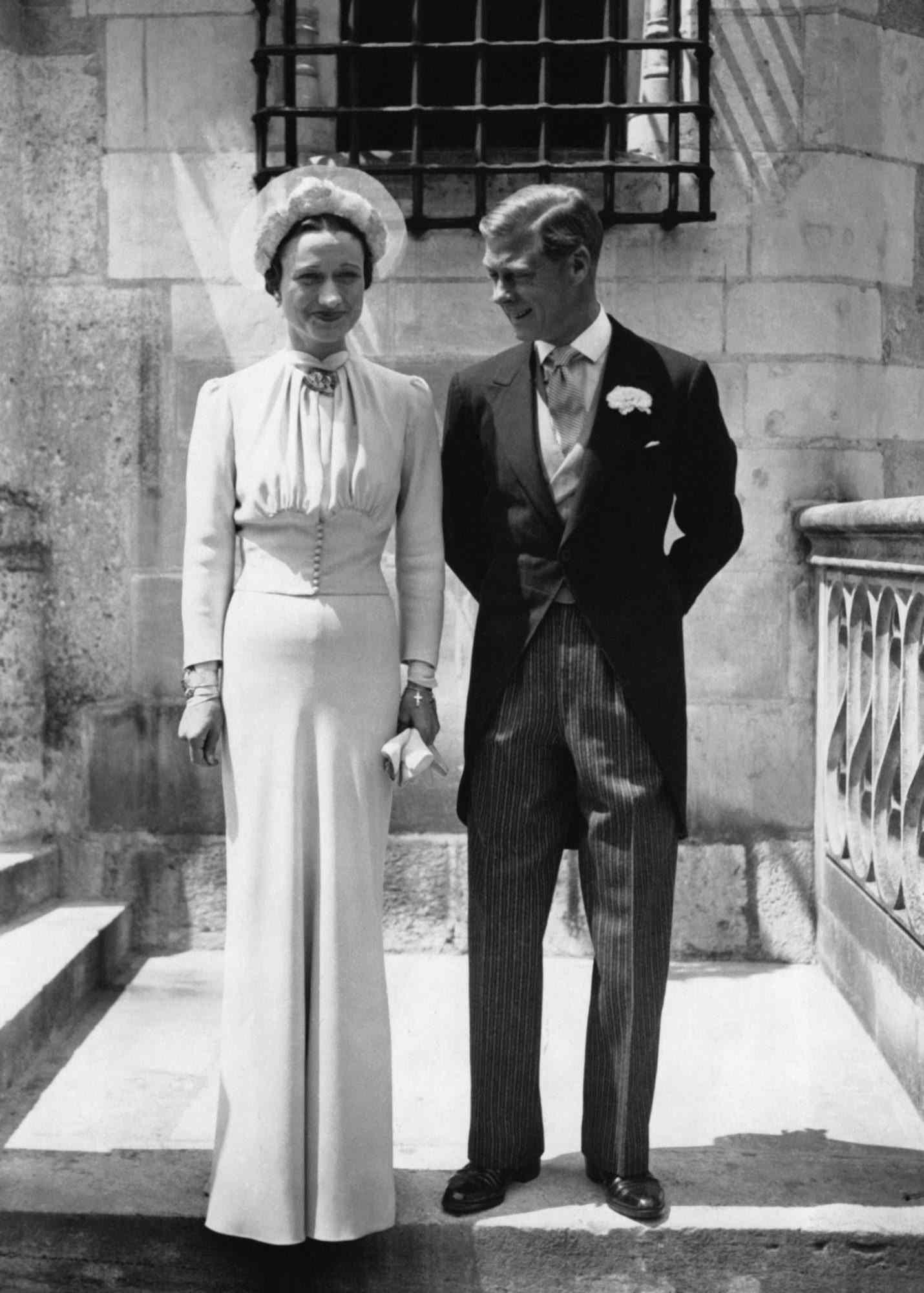
The fairy tale shattered as the sovereign chose desire over duty. In the process, the monarchy was outed as temporal, even vulnerable to the same messiness as everyone else.
In her diaries after the abdication, Woolf predicted that the relationship between royalty and popular culture “would never be the same again.” In one sense, she was right. The spell had been broken, and the Palace could no longer rely on untouchable mystique alone.
Once that happened, Woolf suggested, the public might need to look elsewhere for wonder. Perhaps to science. Perhaps to discovery. “This unknown world,” she wrote, “is after all more beautiful than Buckingham Palace.”
And yet (this is where Woolf might be surprised) royalty did not lose its audience. Against all odds, it adapted.
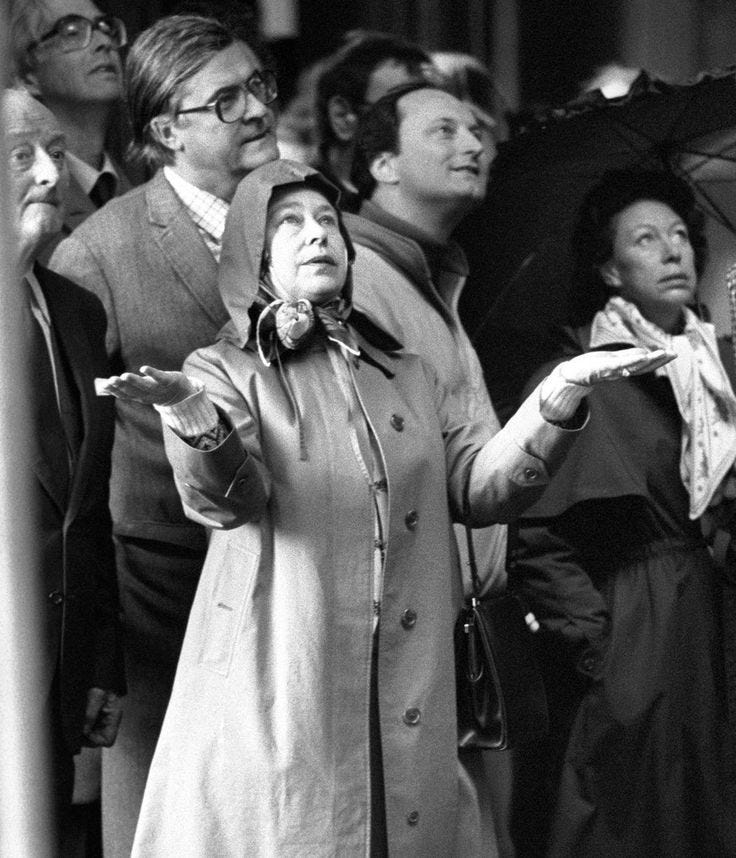
Again, the essay was never published in her lifetime. Its heresy might have been couched in Woolf’s lyrical, contemplative style, but it came through loud and clear.
In another essay written the same year, Woolf returned to the subject with a note of caution: “Royalty is no longer quite royal… They are violent and eccentric; charming and ill-tempered; some have bloodshot eyes; others handle flowers with a peculiar tenderness. In short, they are very like ourselves.”
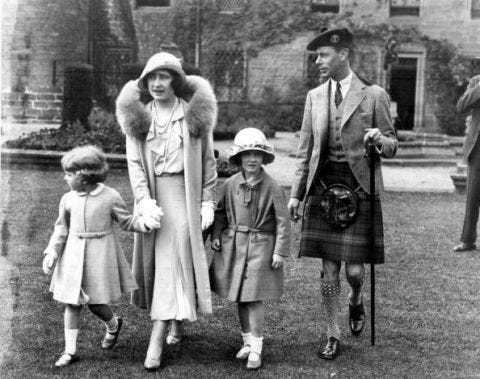
In essence, Woolf had presaged something like a Stars—They’re Just Like US!feature in her distilling of what would now define the monarchy’s public appeal. She viewed the royals as characters; they could be flawed, inconsistent, and have peculiar habits, but regardless, they were domestic and therefore relatable.
Their mass appeal lay precisely in their quirks and contradictions.
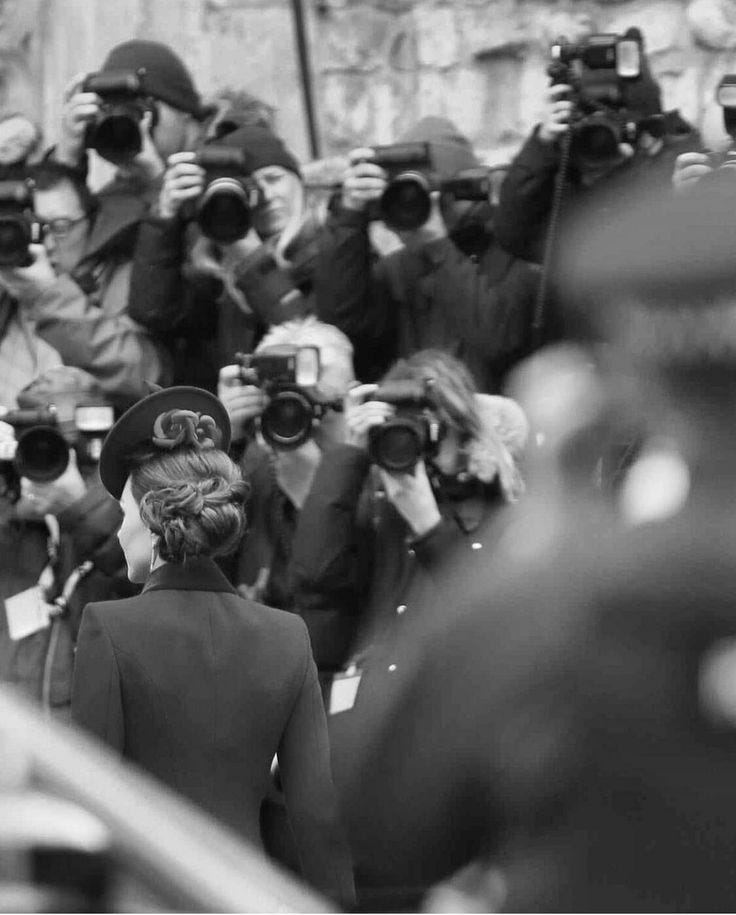
What Woolf was articulating (remarkably, decades before paparazzi culture, reality television, or social media) was a shift from sacred monarchy to narrative monarchy. The people and events that populated the palace became more important than the institution itself.
Woolf followed this revelation to its conclusion, and further asserted that the royals mattered not because they were above humanity, but because they reflected it back to us. They became like a long-running drama—one which we could freely observe, debate, and identify with. The monarchy, in Woolf’s telling, survived by becoming a mirror.
![[object Object]](https://substackcdn.com/image/fetch/$s_!rbbx!,f_auto,q_auto:good,fl_progressive:steep/https%3A%2F%2Fsubstack-post-media.s3.amazonaws.com%2Fpublic%2Fimages%2Fee60cfbb-8189-4448-adb6-06eaaa8248b5_563x822.jpeg "[object Object]")
Its value, then, lay less in its authority or emotional ties (how many people have you heard equate their tender feelings for “granny” Queen Elizabeth II with the institution itself?). Instead, the palace is an arena for a unique kind of mythology. What better way to process national life than through a common set of stories and cast of characters?
In an era when people were no longer tethered to the church (or even, increasingly, to local community life), Woolf understood that power had to be mediated differently. Authority alone was insufficient. People must be reached by personality and drama.
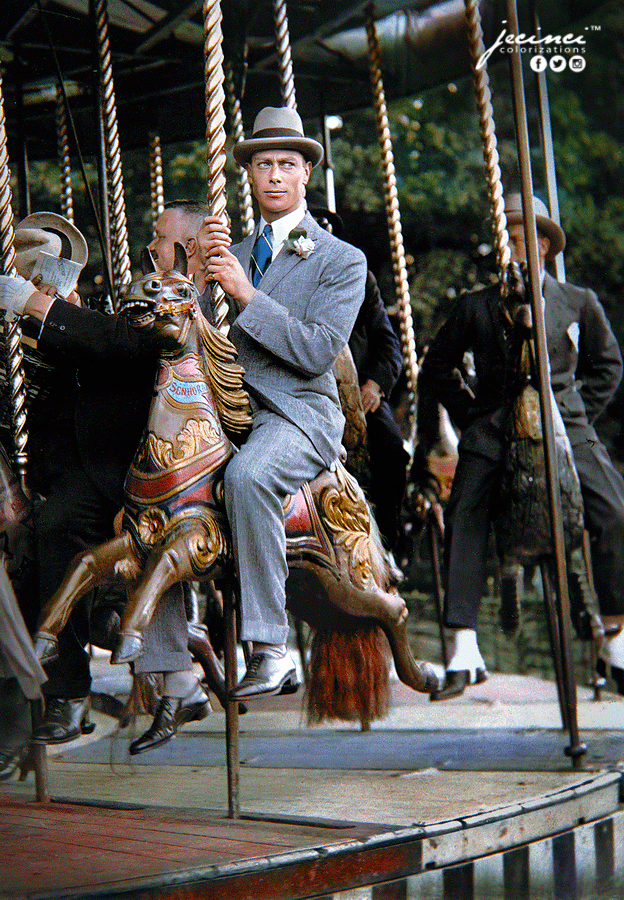
Nearly a century on, Woolf’s instincts, deemed heretical at first glance, appear prescient. The royal family, indeed, reorganized in response to its social demystification, and its public life became episodic. The monarchy survived by learning how to be consumed.
Perhaps this is why our post-modern nickname for the institution’s inner workings, “the Firm,” feels so apt. The nickname strips away the last vestiges of divine romance and replaces them with something corporate, organized, and focused on metrics. (Prince Philip is often credited with popularizing the term, recognizing early on the need to smooth the monarchy’s transition into the age of mass media. Author Penny Junor has previously linked the term to “all the royal executives and their powerful associates [who] are supposed to make every effort to avoid even a hint of scandal that could diminish the reputation of the family business.”)
In short: yes, the palace is a business…and it peddles stories for its supper.
In that sense, the modern monarchy does resemble the future that Woolf anticipated in 1938: no longer sacrosanct, but consumable. She understood this before most—and some still refuse to see what she did. Woolf realized that once the monarchy ceased to be untouchable, its influence would not simply fade away, but reconfigure.
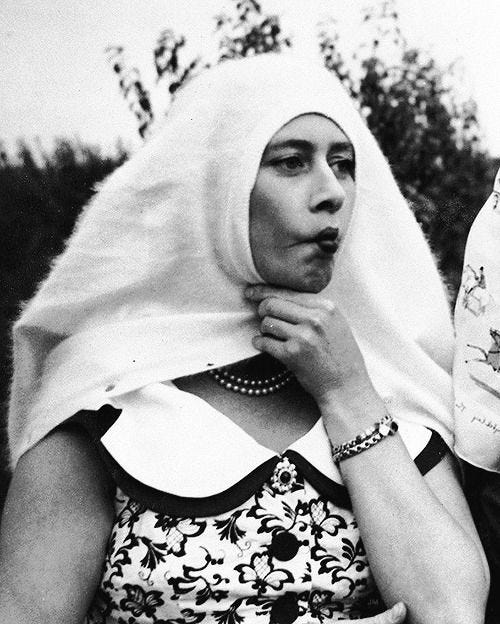
The Palace has increasingly offered glimpses behind the curtain rather than total access. And this intimacy (though carefully managed, and with contradictions galore) has proved sufficient to sustain fascination and even a degree of reverence. A royal family that can be seen, interpreted, argued over, and endlessly narrated can indeed remain culturally powerful long after its once-divine authority has worn thin.
Legibility, it turns out, is far more durable than reverence for reverence’s sake. And Woolf, watching the illusion crack in real time, understood that survival came not from being “believed in”…but just from being watched.



Follow