



The best primers for dry skin are a secret weapon in any dry-skinned makeup routine. If you’ve ever applied your foundation in the morning only to catch a glimpse of it clinging to dry patches by midday, you’ll know that skin prep is everything. And while moisturiser is essential, it’s only half the story. Enter: the hydrating primer.
The best primer for dry skin doesn’t just blur and grip. It can also help soothe sensitivity, smooth flakiness, and even add a luminous glow under makeup. It can actively improve how your skin feels throughout the day. Think of it as your skin’s safety net: locking in hydration, adding slip, and preventing your base from creasing, cracking or going dull by midday. So, even if you already own one of the best moisturisers for dry skin, and are all caught up on your face serums and toners, you’re missing out.
To help you find your perfect match, we’ve rounded up the best primers for dry skin right now – from glow-boosting formulas to barrier-supporting balms, and even hybrid moisturiser-primers that can cut down on steps.
We’ve tested them all, spoken to the experts, and picked only the ones that really deliver.
Why is a primer for dry skin important?
Innovative and skincare-led technology means that primers that have been formulated with dry skin in mind can deliver on a host of skincare benefits. For example, ingredients such as nourishing shea butter and hyaluronic acid can help the skin retain more moisture, making a good primer more than just another step in your makeup routine.
According to makeup and hair artist Alexis Day, “primers for dry skin types work by locking in moisture, and helping it stay nourished throughout the day so the makeup doesn’t deteriorate. [They] will usually have moisture boosting ingredients like a hyaluronic acid, glycerin, as well as a flower or fruit oil in, to help keep the skin hydrated.”
“These support your skincare regime by keeping thirsty skin “fed” throughout the day rather than just feeding it during your morning moisturiser routine,” she adds.
I already use a great moisturiser – isn’t that enough?
“The real secret to a flawless base starts with consistent skincare,” explains Laura Porter, facialist and founder of FAB Skincare. “If dry skin isn’t properly hydrated and protected, no primer can fully compensate. You always want to start with a nourishing moisturiser to lock in moisture and support your barrier, then layer a hydrating primer on top to give your makeup staying power.”
Primers aren’t dry skin moisturisers – and they were never meant to be. “A hydrating primer should be seen as working alongside a good moisturiser, not a replacement,” explains Dr Barbara Kubicka, aesthetic doctor and founder of ClinicBe. “Moisturisers restore and support the skin barrier. Hydrating primers add an extra layer of smoothness and hold, but they usually lack the long-term benefits of proper skincare. For dry skin types especially, layering is key.”
What should you look for in the best primer for dry skin?
So, what should you actually look for? According to Dr Hansel Misquitta, skin and aesthetics doctor, the best primers for dry or dehydrated skin contain “humectants and emollients like glycerin, hyaluronic acid, squalane and panthenol.” These draw moisture into the skin and help lock it in, giving you that plump, fresh, makeup-ready finish. But equally important is what not to include.
“Alcohol-based ingredients, such as denatured alcohol or ethanol, can be especially problematic as they strip the skin’s natural oils,” warns Dr Kubicka. “And while silicones like dimethicone can help smooth the surface, they may also trap dead skin or block moisture absorption, especially if the skin isn’t well hydrated to begin with.” The result? Makeup that flakes, separates, or highlights texture.
And if you have a sensitive skin condition like eczema or perioral dermatitis, the stakes are even higher. “Fragrance, essential oils, alcohol or certain preservatives like methylisothiazolinone can all trigger flare-ups,” explains Dr Kubicka. “Even silicones can cause issues if they trap allergens or irritants. Look for primers that are non-comedogenic, fragrance-free, and dermatologist-tested. And when in doubt, patch test.”
Meet the experts:
To help us separate the genuinely hydrating from the secretly drying, we asked leading MUA’s dermatologists and facialists for their take on what makes a primer truly dry-skin friendly.
How we tested the best primers for dry skin
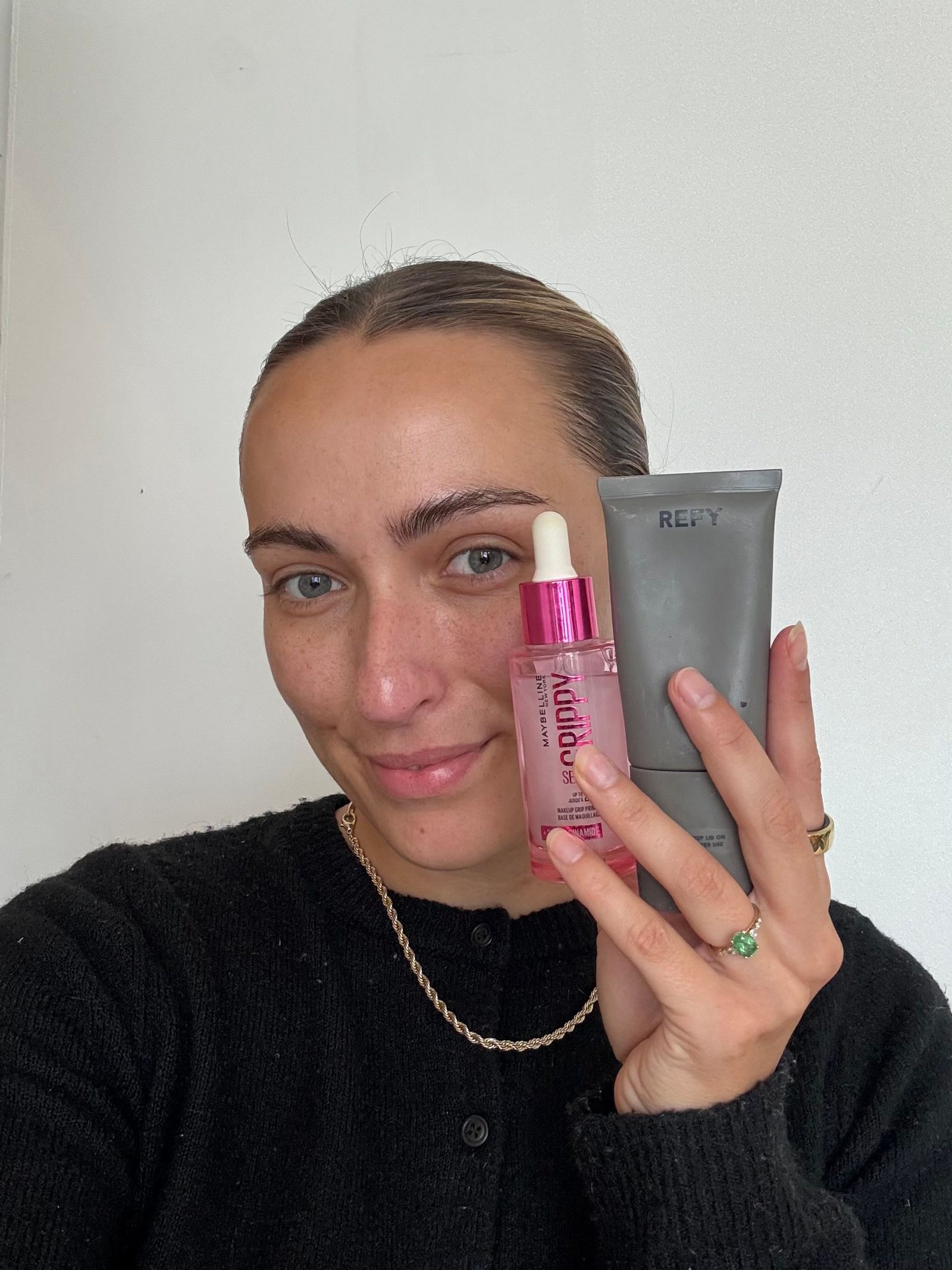
To find the best primers for dry skin, we didn’t just swatch and go. We tested each formula on actually dry, sometimes sensitive skin over several days, paying close attention to how it layered over moisturiser, how it sat under makeup, and whether it clung to flaky patches or helped blur them.
We considered texture, hydration, wear time, price point, and finish (from dewy to natural), as well as whether they caused any irritation or tightness throughout the day. We also paid close attention to fragrance levels and ingredient lists, noting which formulas felt comforting vs. potentially irritating for compromised skin. And of course, we consulted leading dermatologists and facialists to understand which ingredients to seek out – and which to avoid – to ensure these picks really work for dry skin.
Looking to stock up on more best-selling beauty products? Check out our edits for the best foundations, best skin tints and the best sunscreens for face.



Follow