



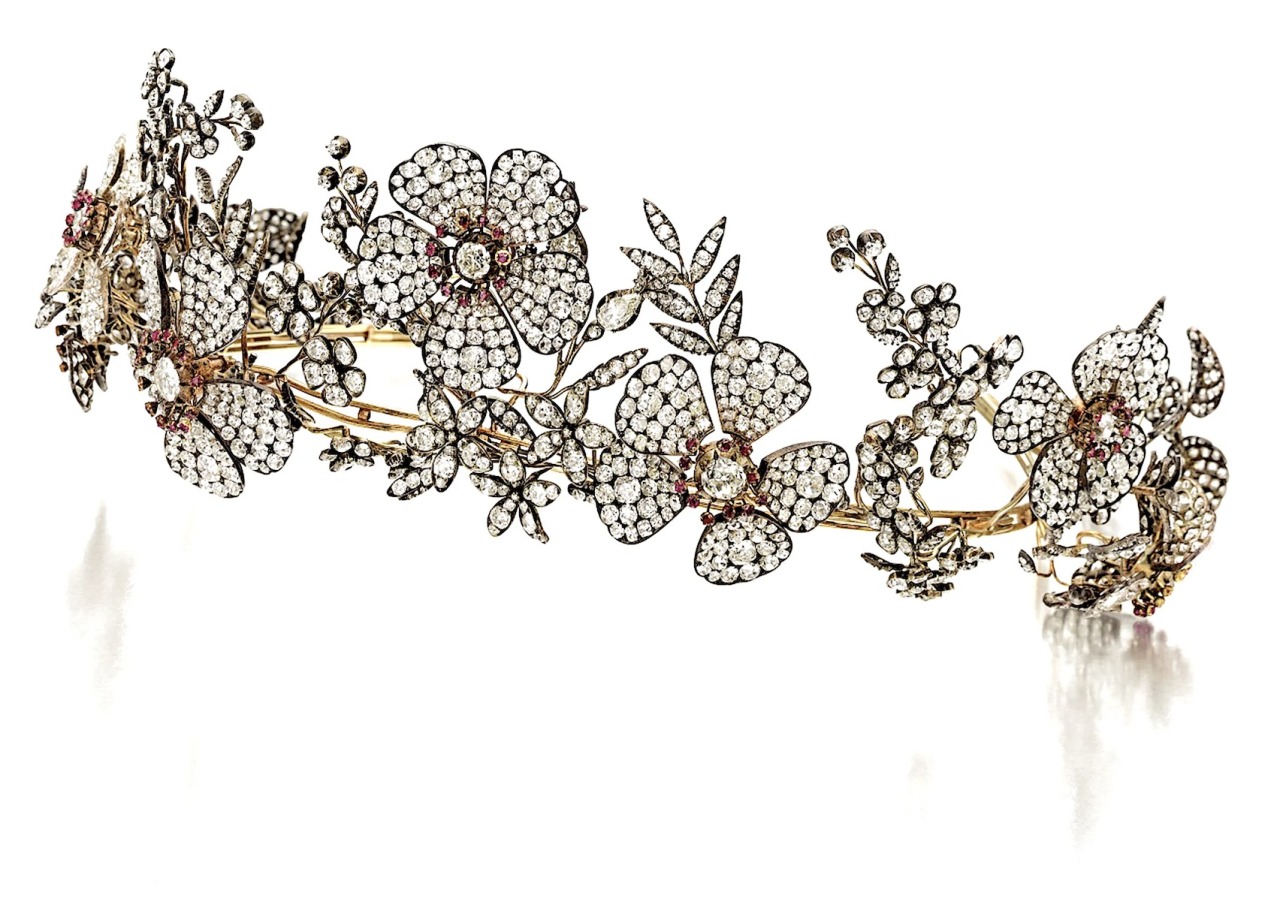
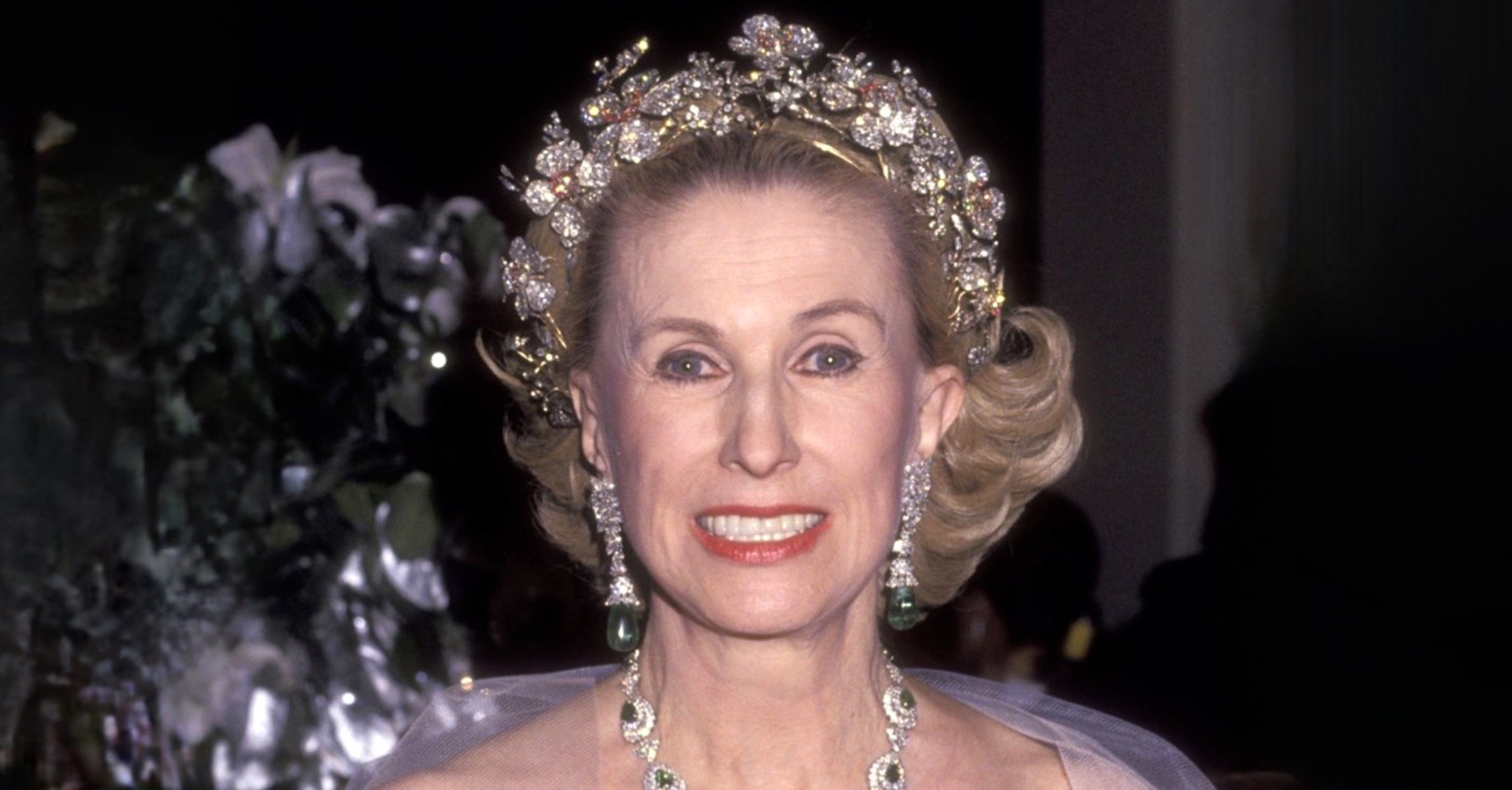
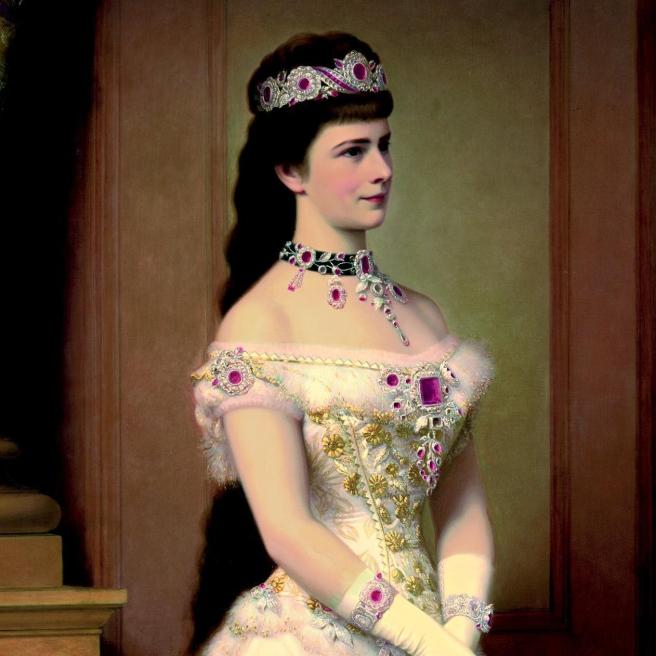
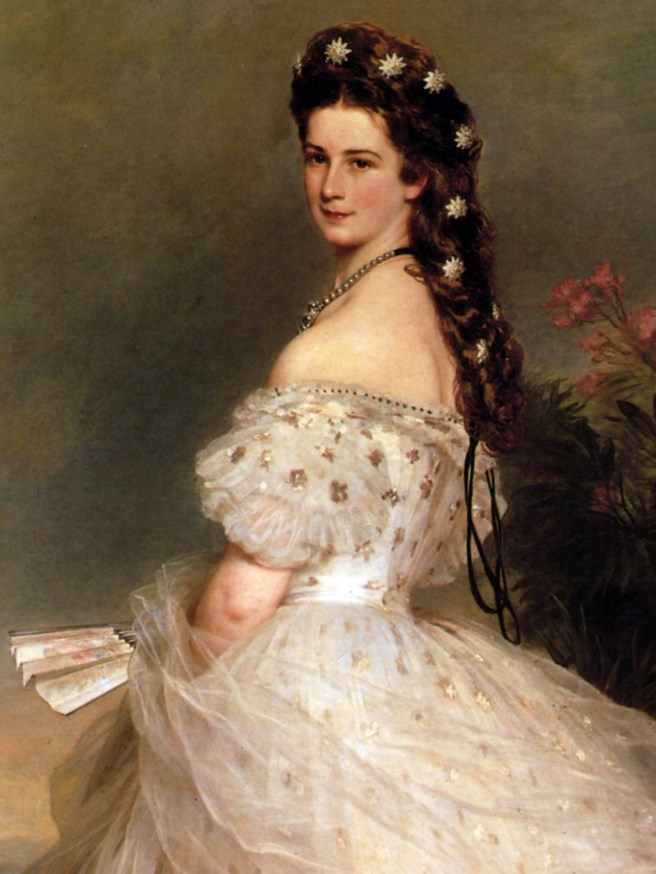
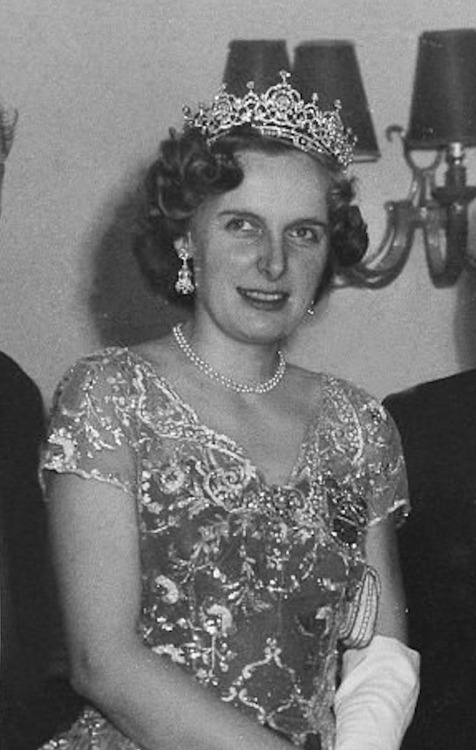
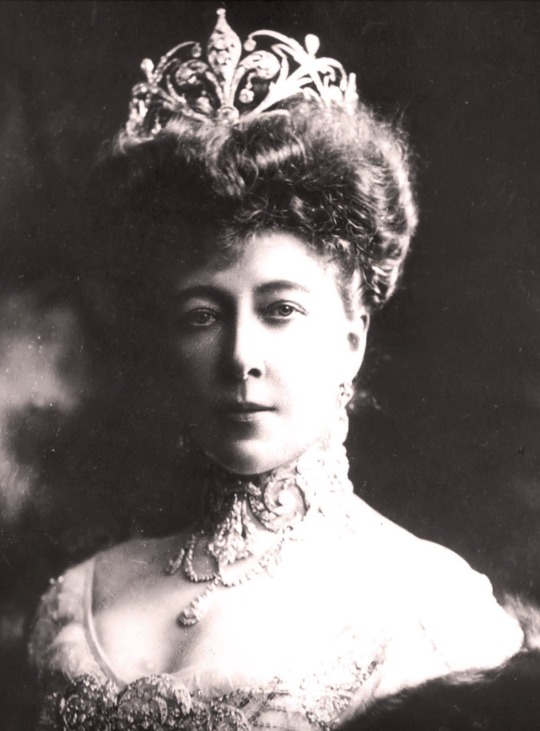
Today marks the 100th Anniversary of the Birth of Marylou Whitney, who was born on this day in 1925! The American socialite and philanthropist owned this magnificent Diamond Wildflower Tiara, which reportedly once belonged to Empress Elisabeth of Austria, who herself was born on this day in 1837!
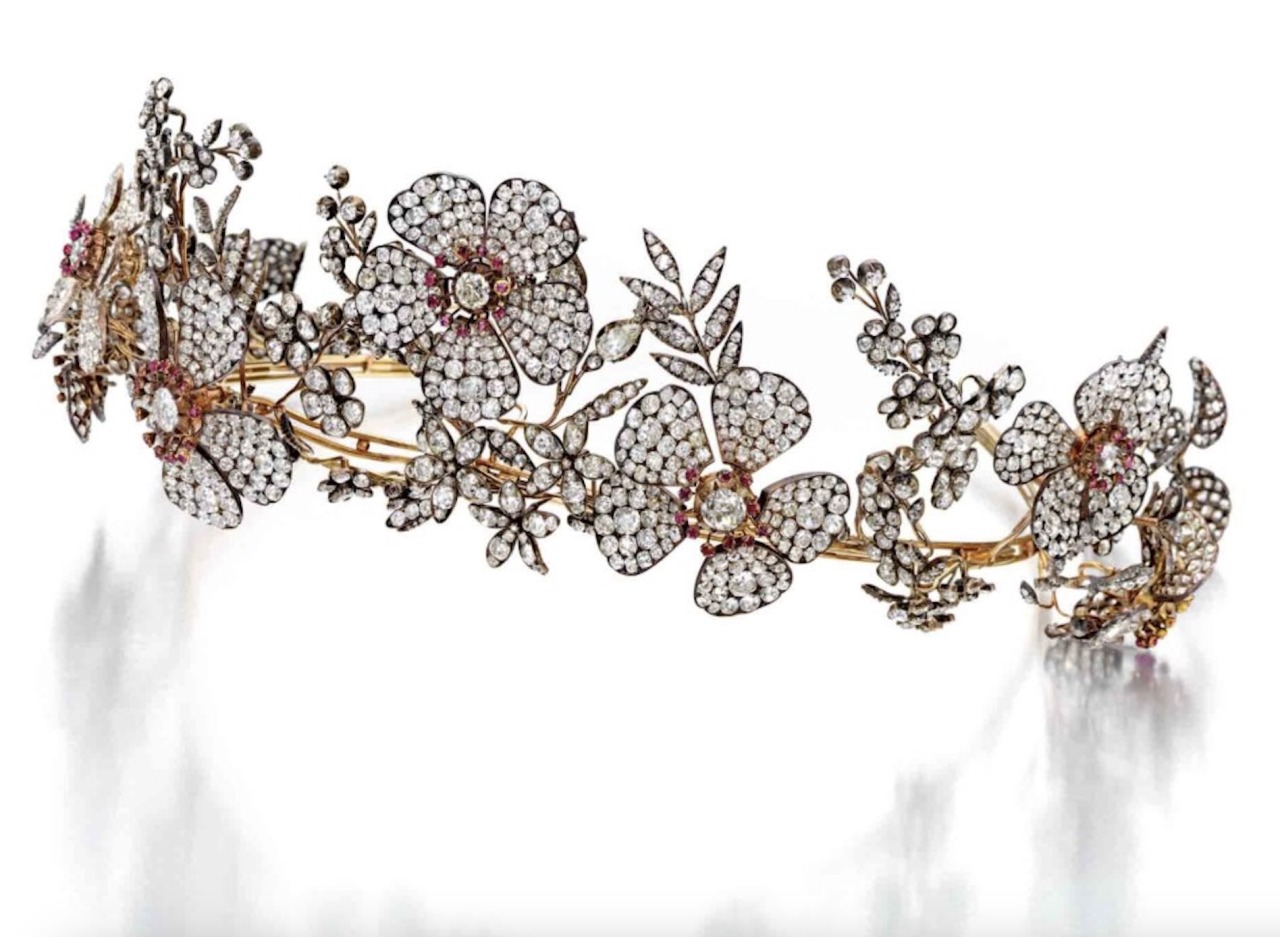
A magnificent 19th century Tiara of garland design, featuring floral and foliate motifs pavé-set with old mine, old European, pear, single and rose-cut diamonds, accented with cushion-cut and round rubies, it features 75 rubies and 1,900 diamonds, which are set in silver and gold in the motif of wild roses and dew drops en tremblant.
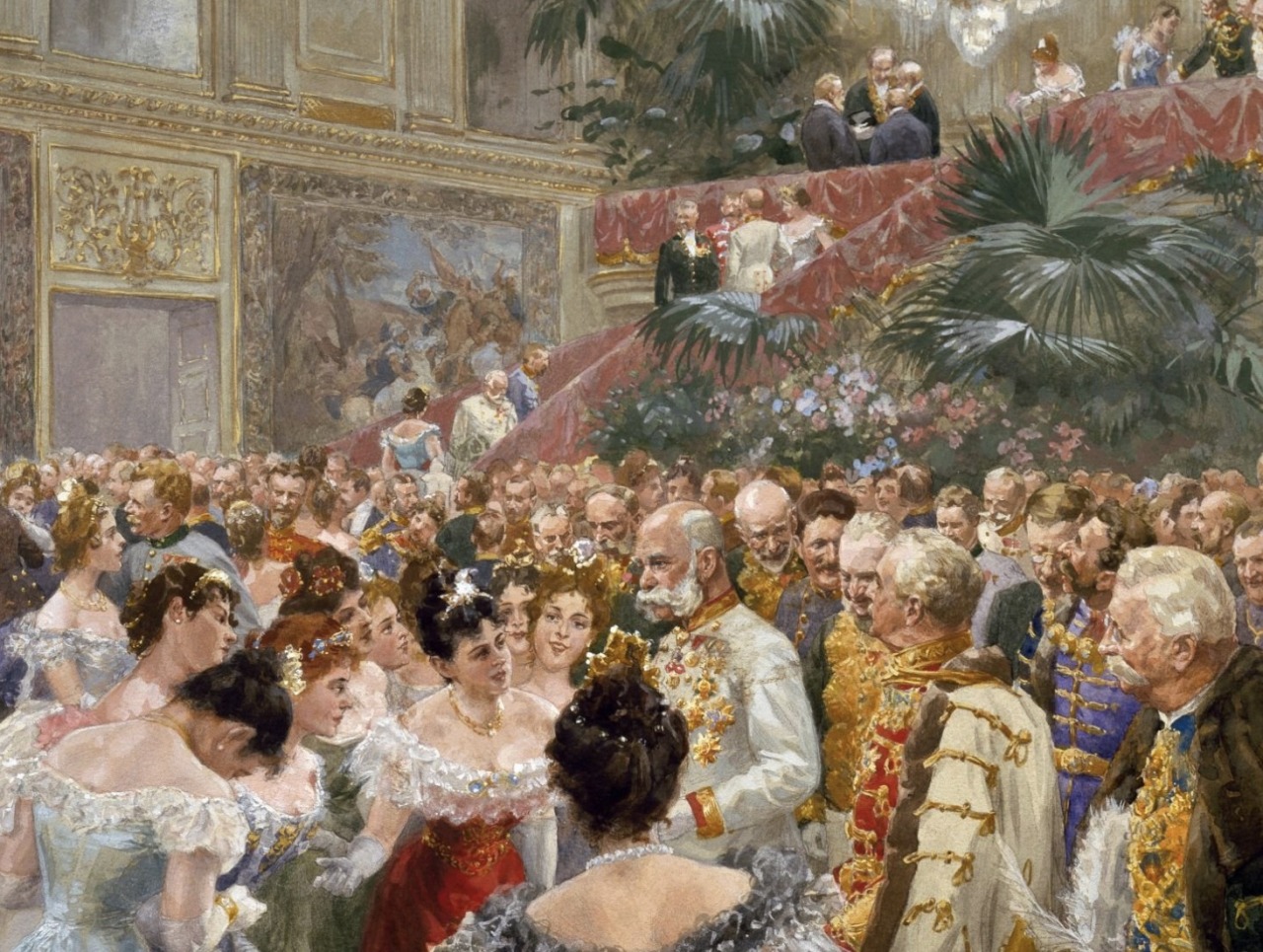
While the provenance linking the Tiara to Empress Elisabeth of Austria is unproven, it does appear that the Tiara was created in Austria, likely by Köchert, and had some links to the Viennese Court of the 19th century, as Marylou Whitney recounted the provenance provided to her by Harry Winston:
This fragile and beautiful Austrian tiara dates back to the days of Franz-Joseph and was one of the most superb ornaments there was to behold in the Viennese Court. The design and motif features sprays of sparkling wild roses and frozen dew drops, fashioned in silver and gold and completely encrusted in diamonds and rubies.”
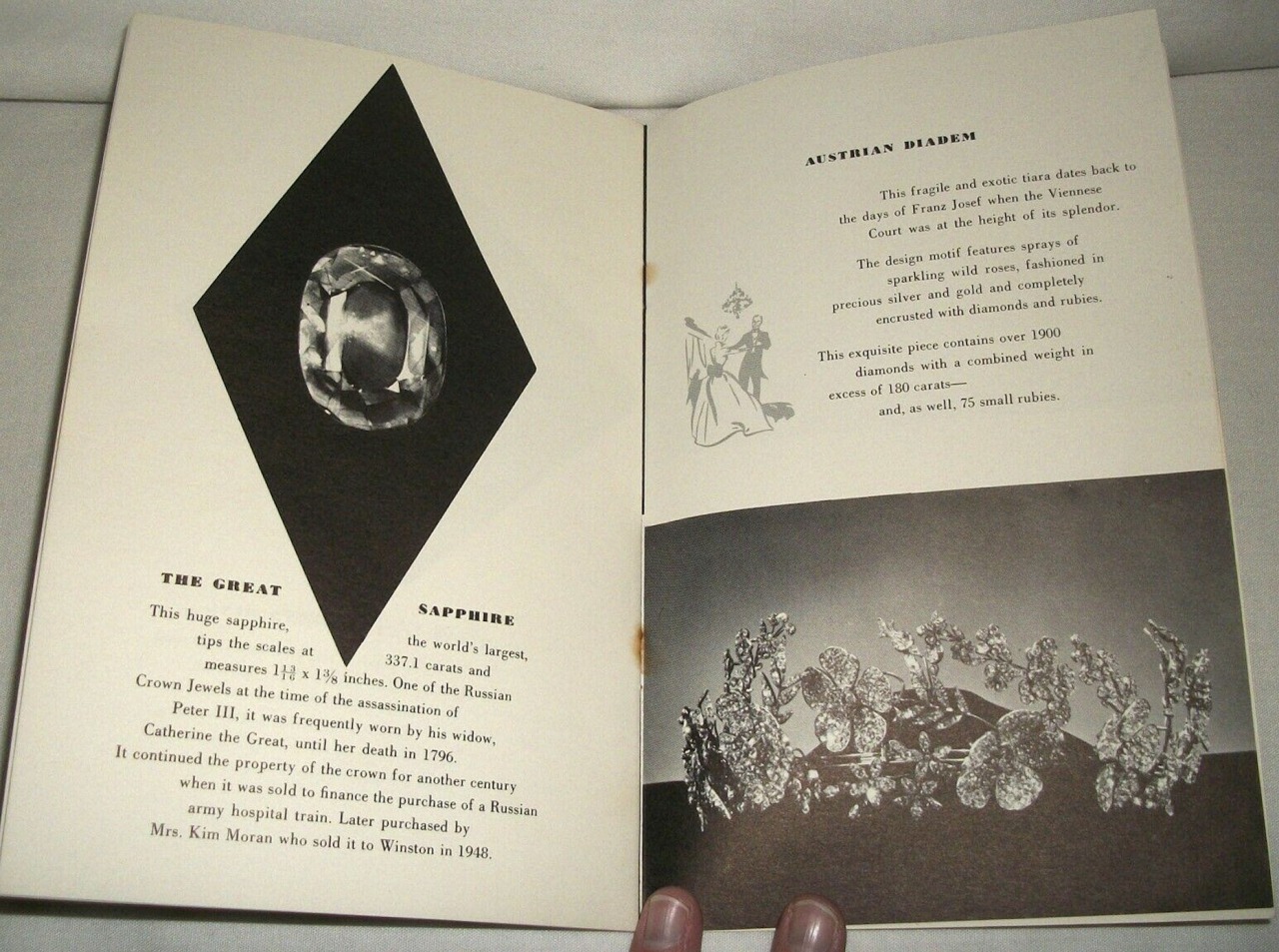
By the 1940s, the Diamond Wildflower Tiara was a part of the Harry Winston Court of Jewels touring exhibition which raised money for local charities from 1949-1953, and it was they who stated it was from the collection of Empress Elisabeth of Austria when it was sold in 1952.
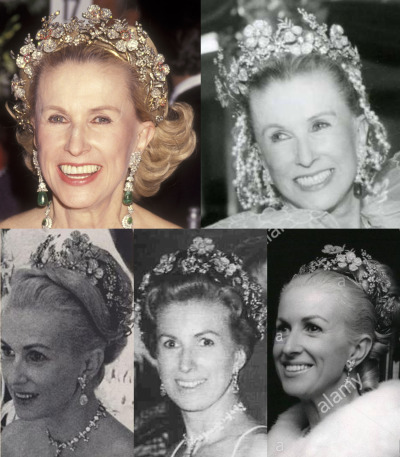
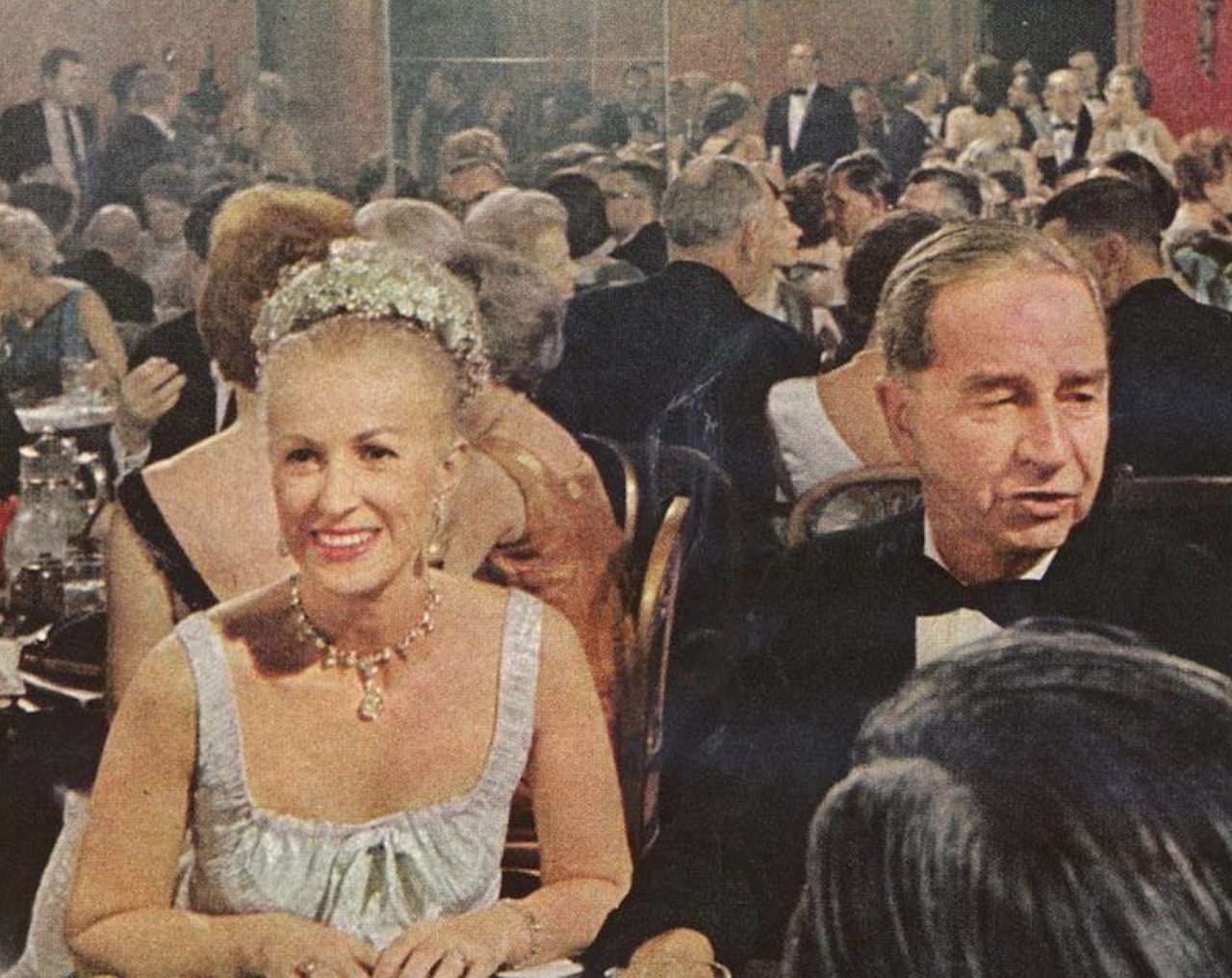
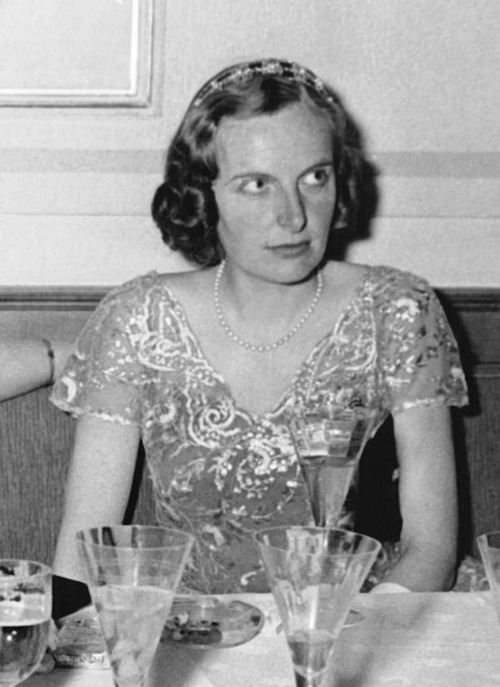
The Diamond Wildflower Tiara was bough by Cornelius Vanderbilt Whitney for his fourth wife, Marylou, who often wore the Tiara at society events in New York City and relished in its reported royal provenance.
Mrs. Cornelius Vanderbilt Whitney is “terribly happy” with her Tiara, once owned by the Empress Elisabeth of Austria, wife of Emperor Franz Josef.
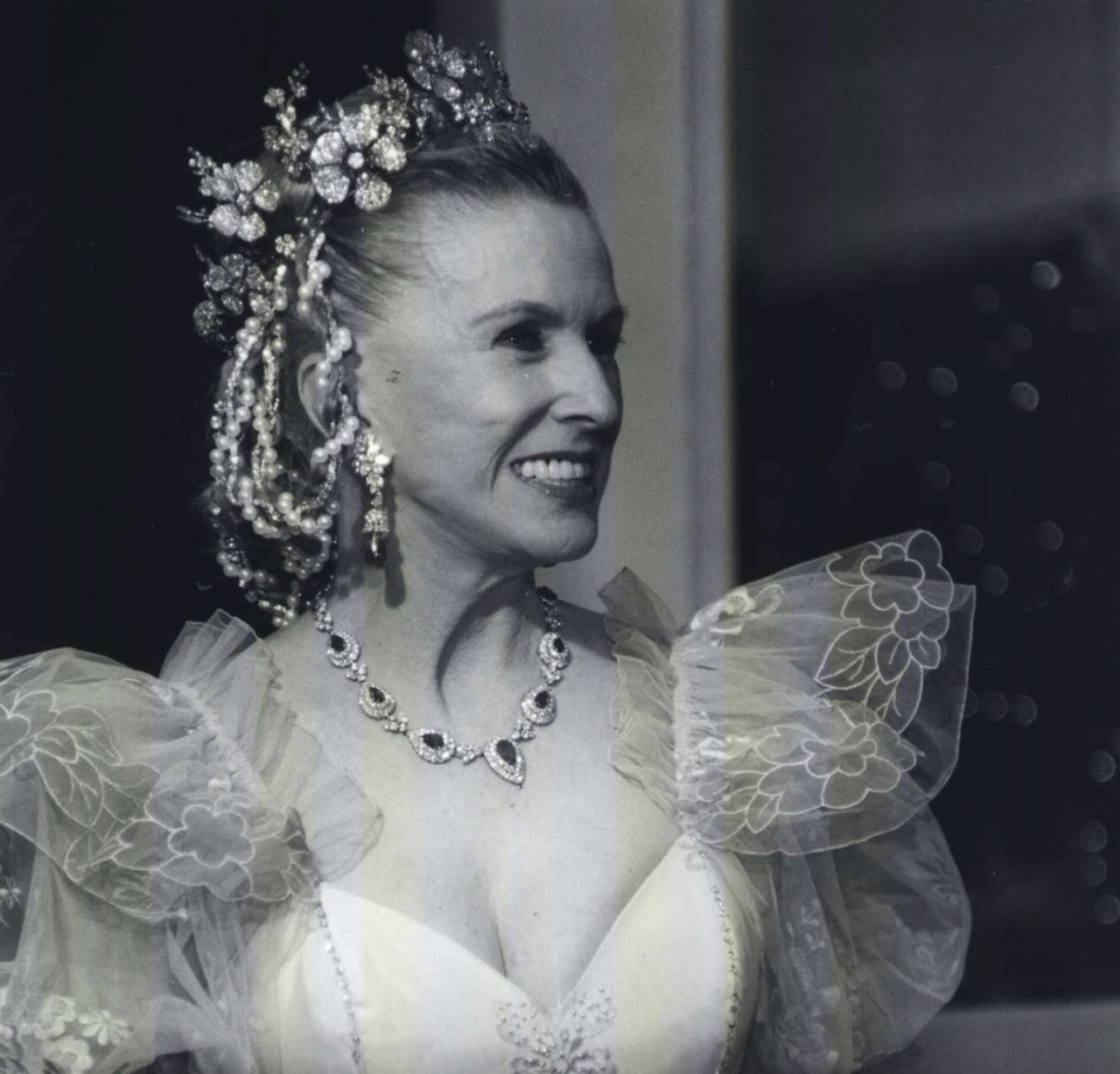
“It wasn’t one of the Empress’s major tiaras,” Mrs. Whitney said candidly. “It was just an everyday tiara but when you wear it, inside you feel absolutely great. A tiara moves up a lady greatly.”
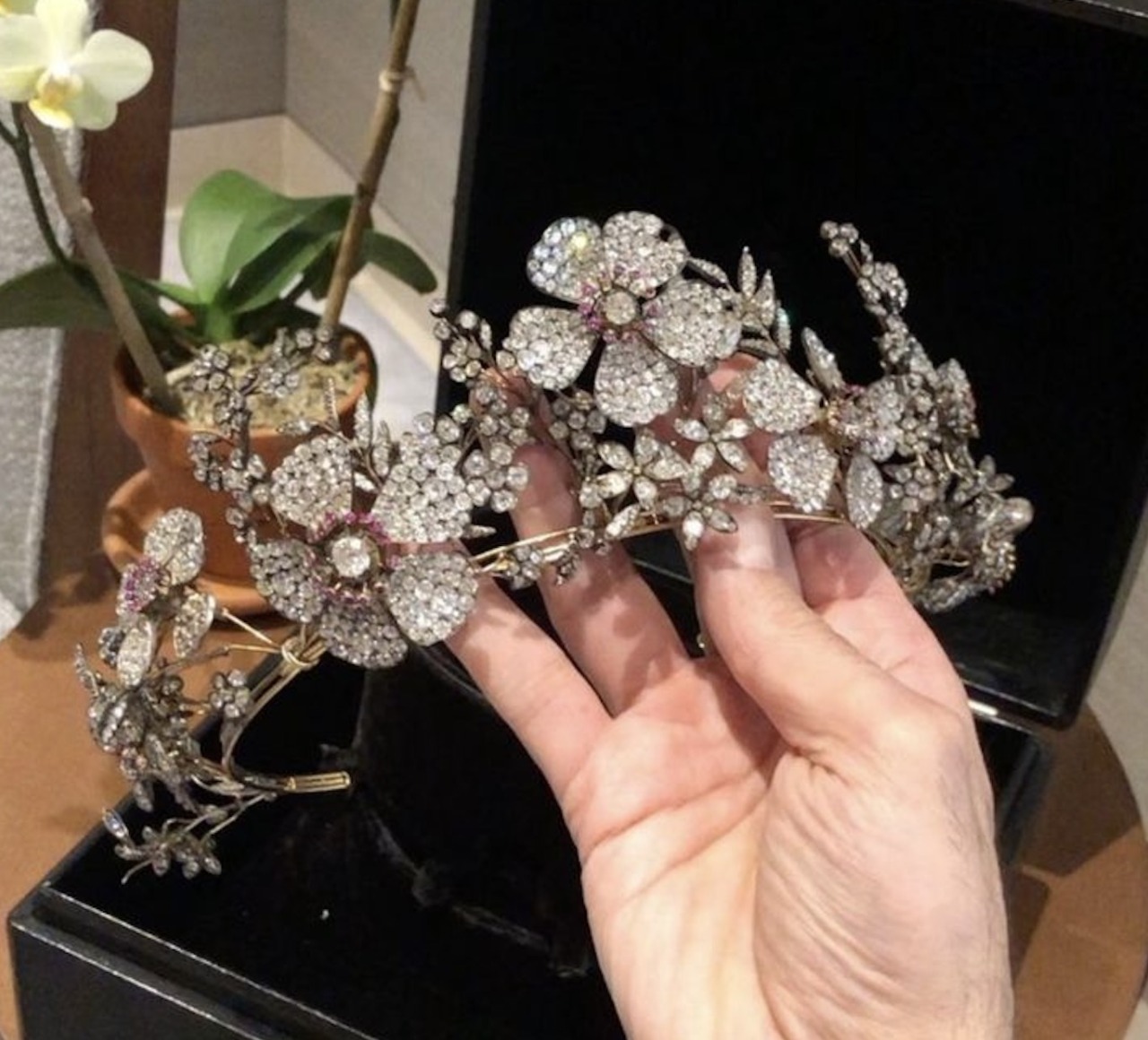
The everyday tiara has 1,900 diamonds (weighing 180 carats) and 75 rubies and is shaped into wild roses and sparkling dew drops. It is set on little springs “to wiggle a little with A lovely movement when I walk.”
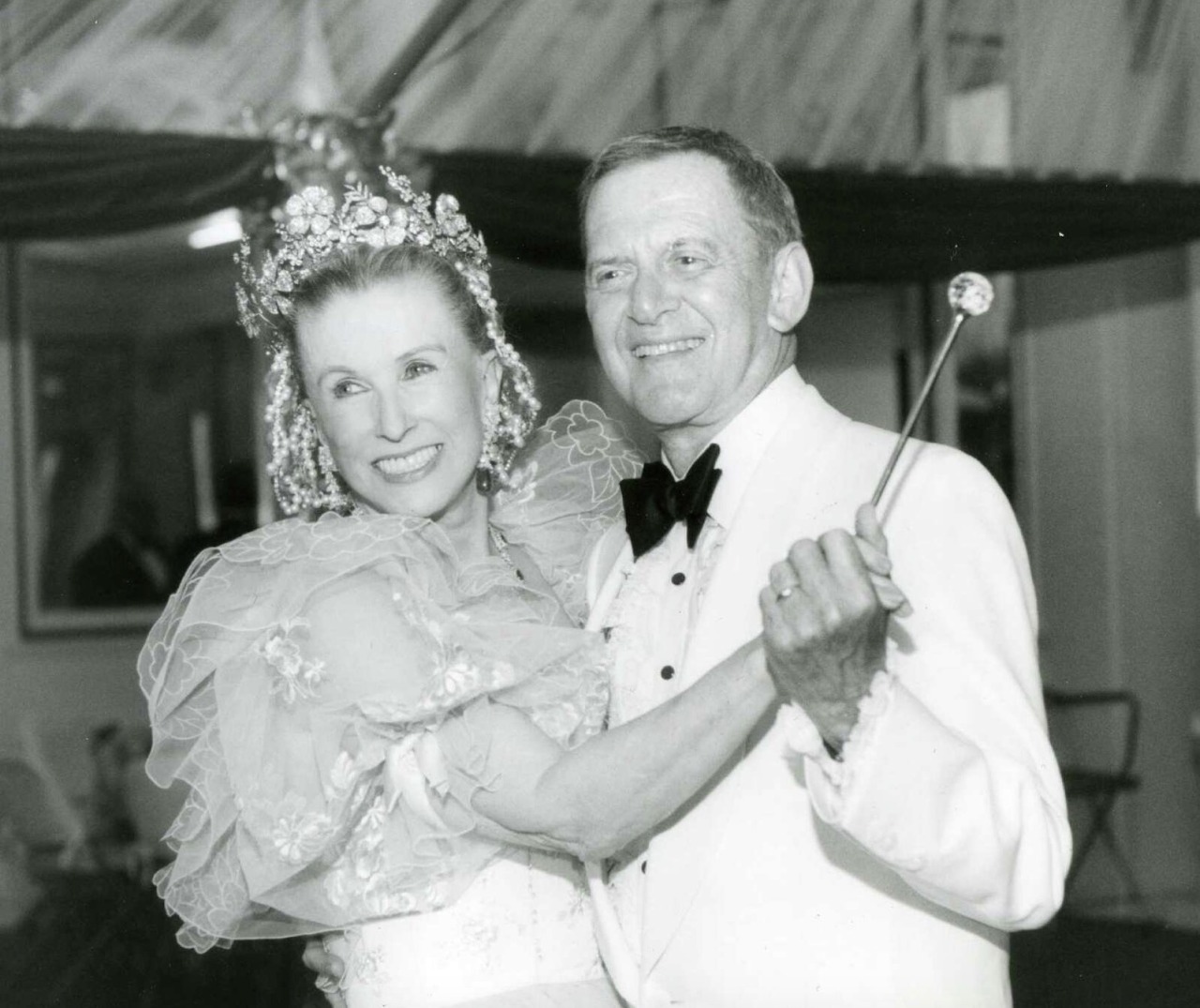
Mrs. Whitney pins her tiara on with four hobby pins and then forgets she has it on. “I enjoy wearing it because it’s light and so well distributed. A heavy tiara can ruin a woman’s evening,” she said.
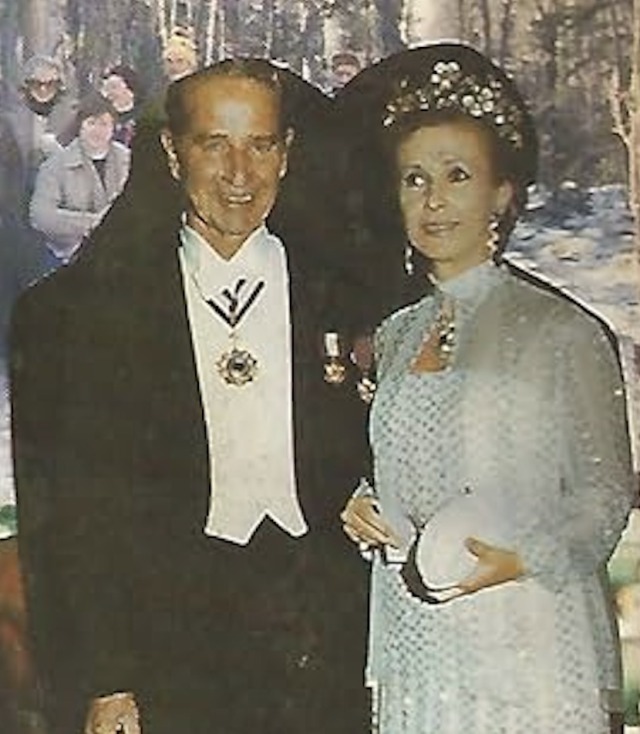
Whilst provenance to Empress Elizabeth herself is unproven, Marylou had no doubts, once telling the New York Times that when attending a royal wedding in Austria she was asked by a fellow guest if she was planning on returning it.
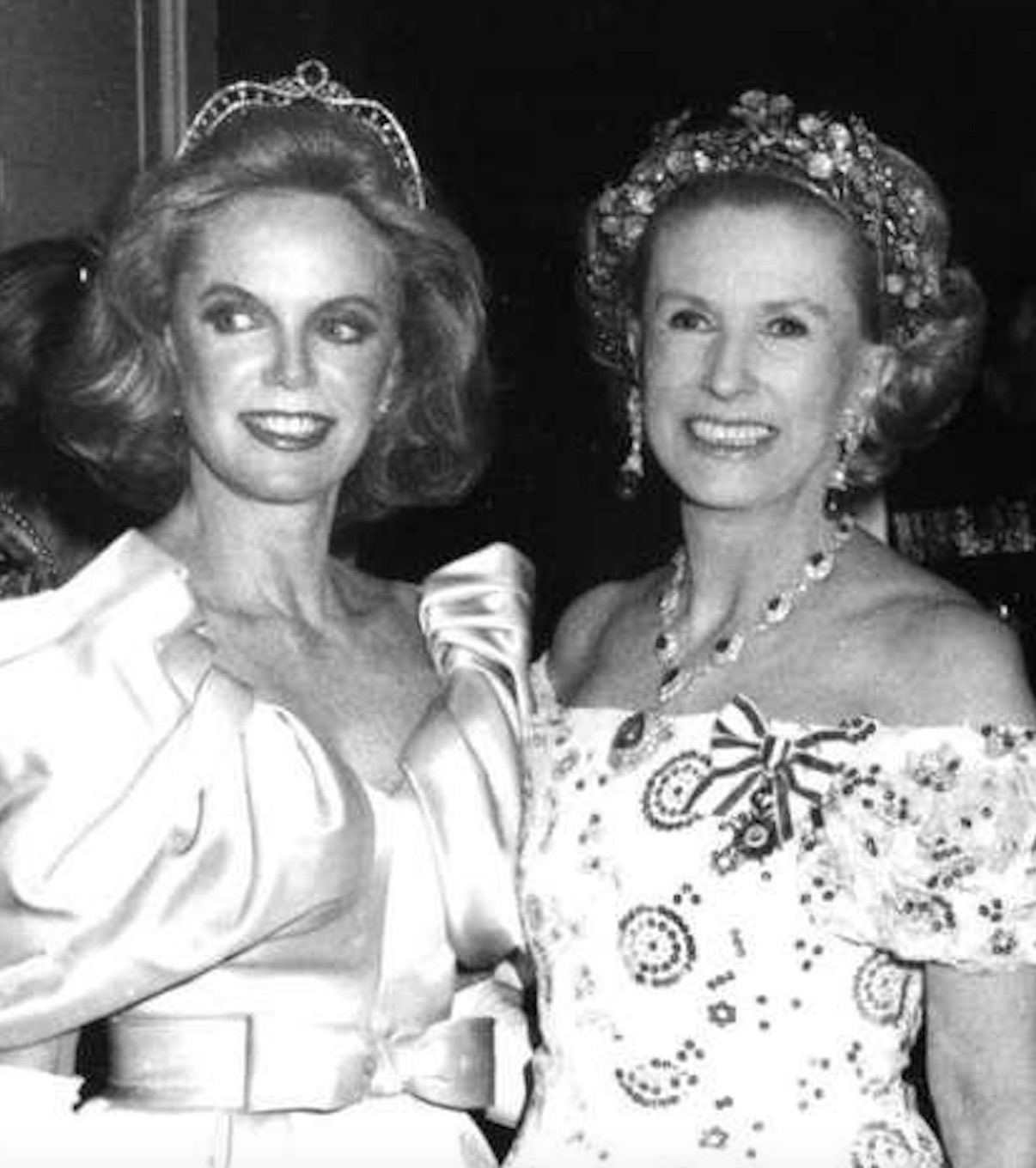
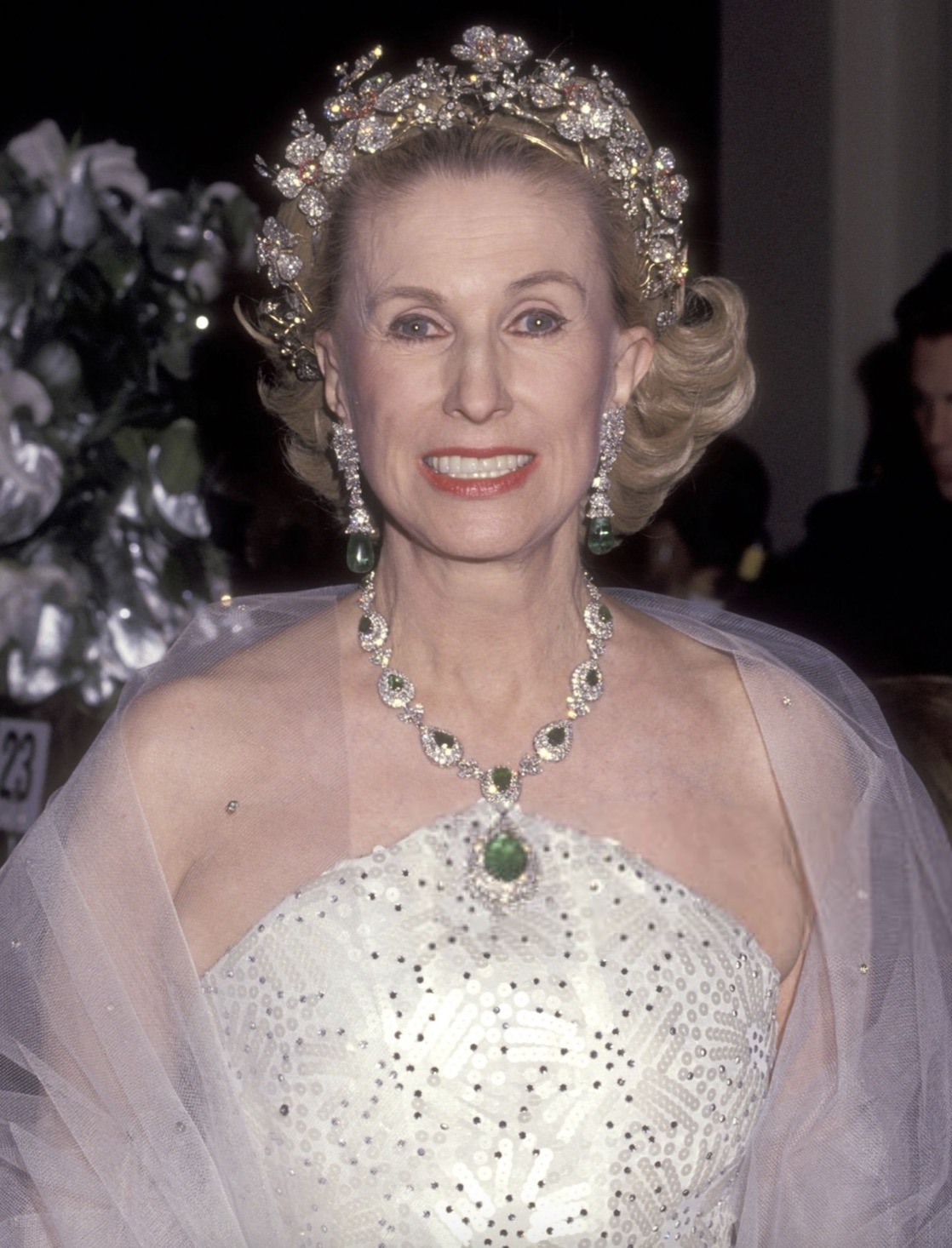
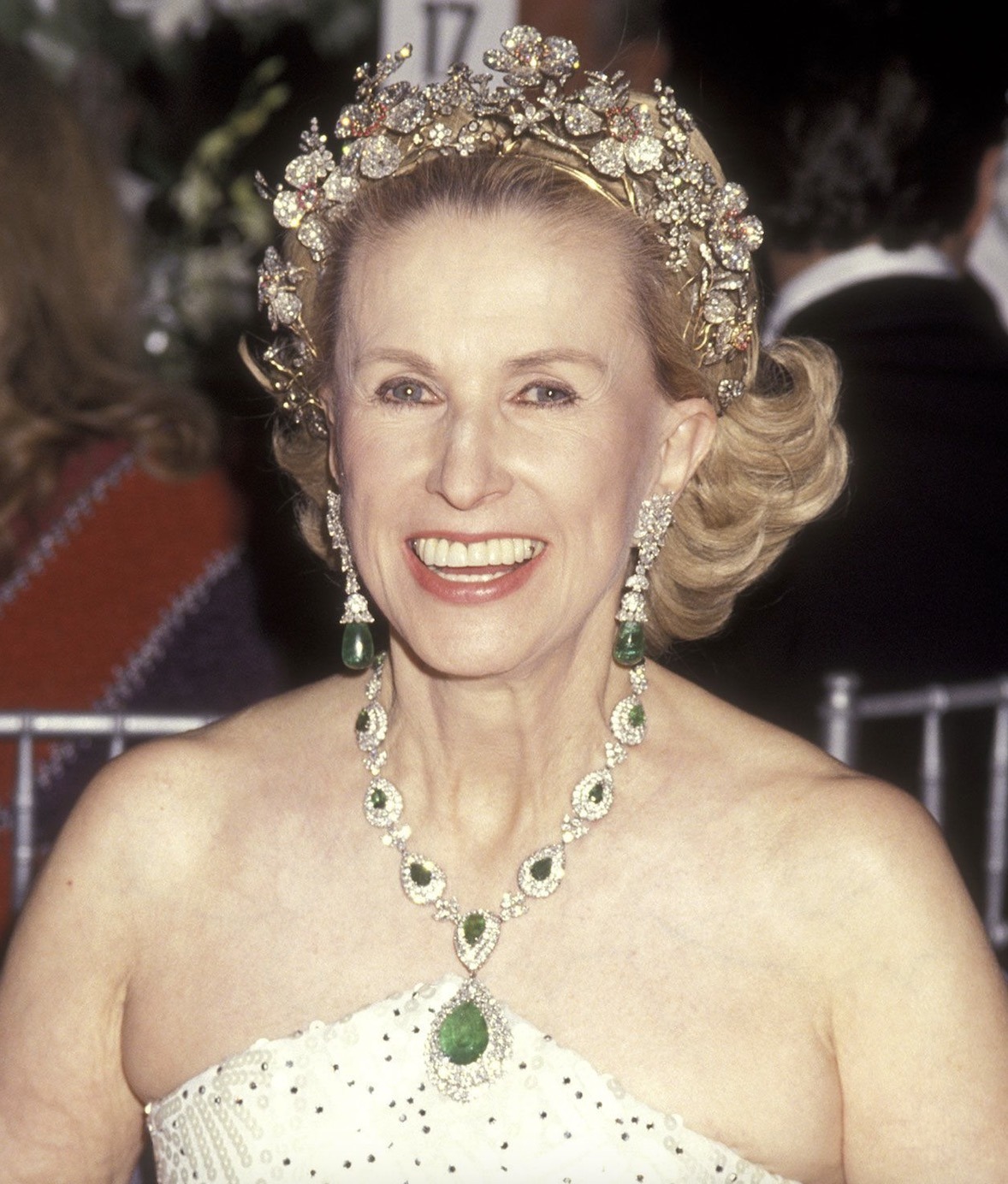
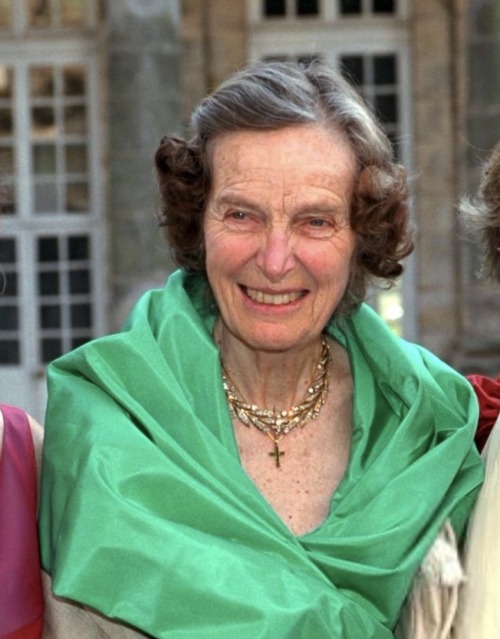
In her later years, Marylou Whitney wore the Diamond Wildflower Tiara for the Opening Night Performance of the Metropolitan Opera House in New York City in 1991, the year before her husband’s death when she inherited a $100 million estate and dedicated the rest of her life to equine sports and extensive philanthropy, particularly in performing arts and women’s health, until her passing in 2019.
The next year, Marylou Whitney’s Diamond Wildflower Tiara was sold at auction at Sotheby’s in New York where it fetched $226,800 and its current location is now unknown.



Follow