



Happy Birthday to Princess Alexandra of Kent, the Hon. Lady Ogilvy, who turns 89 today! The only daughter of Prince George, Duke of Kent and Princess Marina of Greece and Denmark, Princess Alexandra has worn some spectacular heirloom jewels over the past seven decades as a working royal, which once included this Ruby and Diamond Brooch!
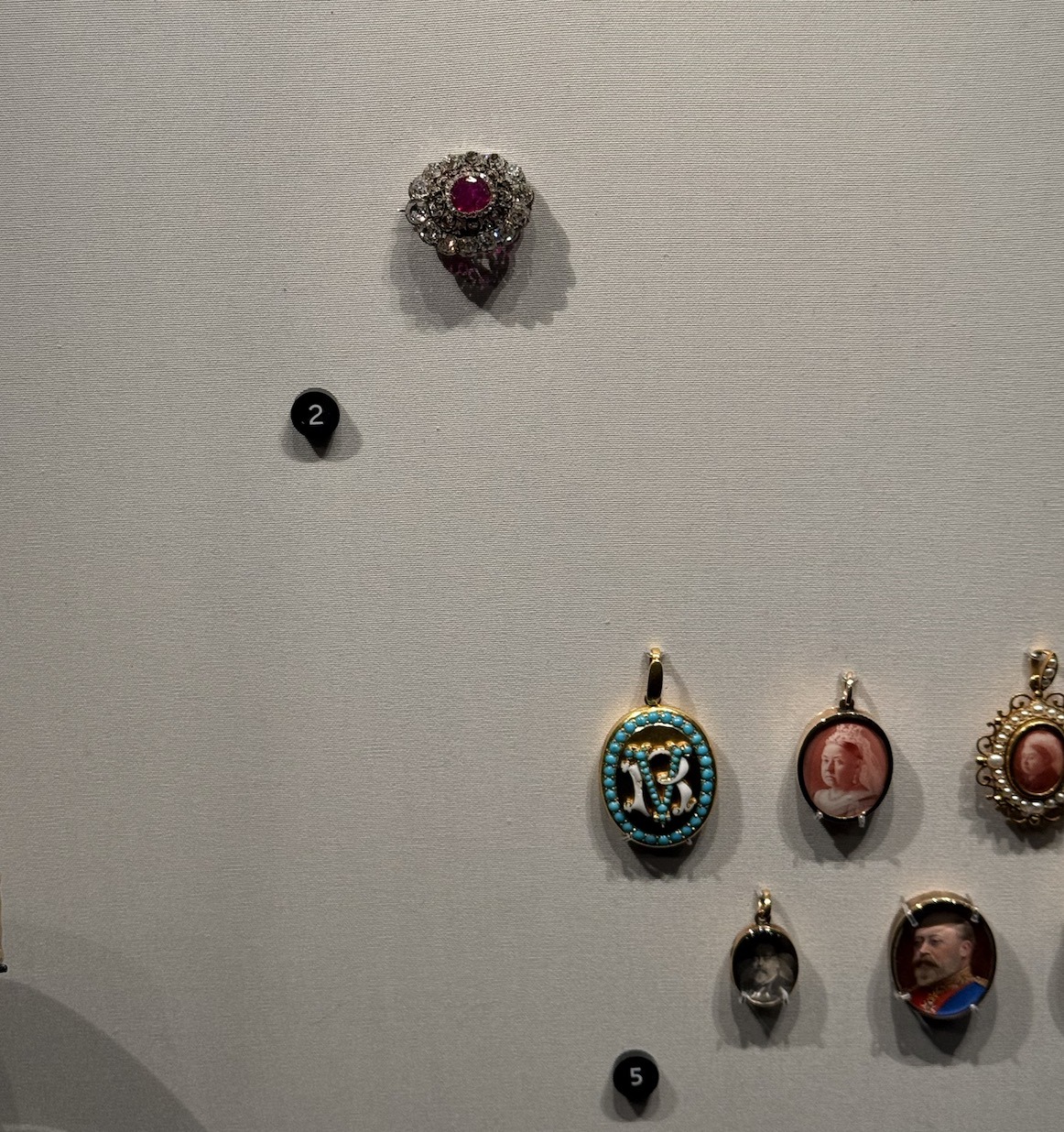
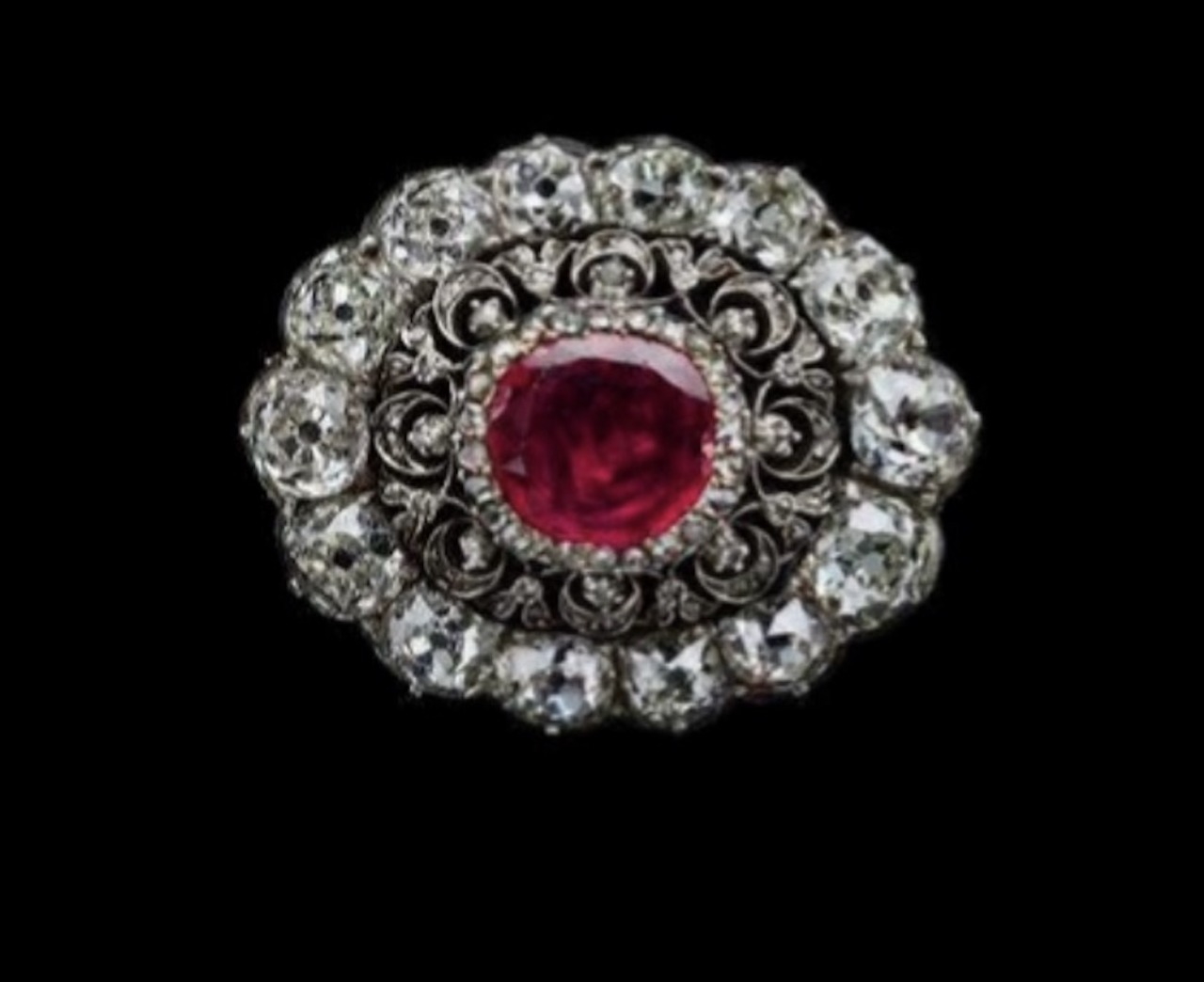
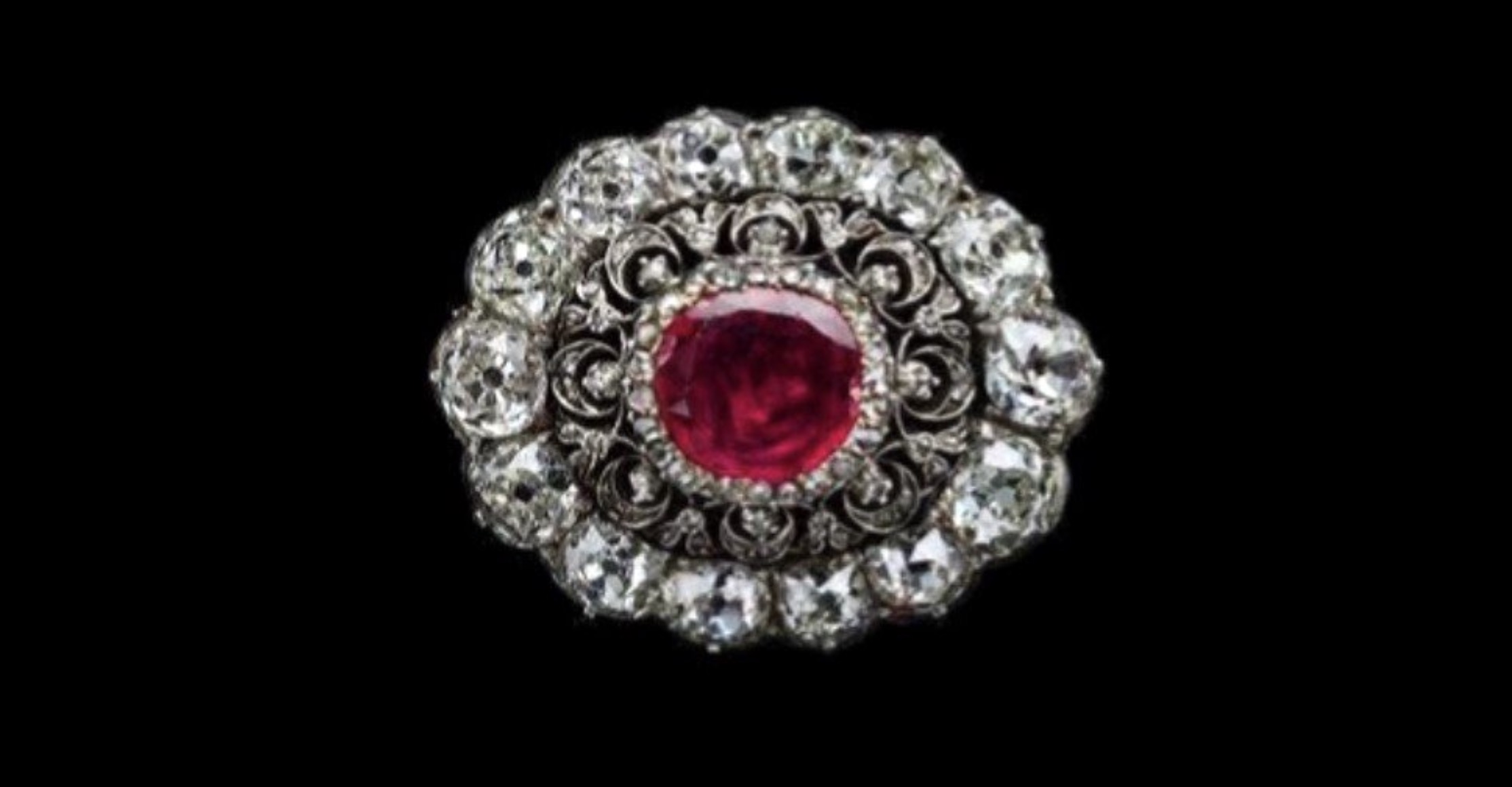
Among the magnificent Jewels of Royal and Noble Provenance currently loaned by the Albion Art Collection to the Victoria & Albert Museum in London is a striking Ruby and Diamond Brooch which once belonged to Princess Alexandra of Kent and described as:
This brooch, set with a central ruby surrounded by old-cut diamonds, dates to around 1830. The gemstones are mounted in silver and gold in a traditional circular cluster arrangement.
The brooch belonged to Her Royal Highness Princess Alexandra (born 1936), daughter of Prince George, Duke of Kent (1902–1942), and Princess Marina of Greece and Denmark (1906–1968). Through her father, Princess Alexandra is the granddaughter of Queen Mary (1867–1953), wife of King George V. Through her mother, she is descended from Grand Duchess Maria Pavlovna, the Russian Grand Duchess Vladimir (1847–1920). Both ancestors were famed for their respective jewellery collections.
A signed letter from Princess Alexandra dated 2 March 2023 was supplied with the brooch, confirming her prior ownership.
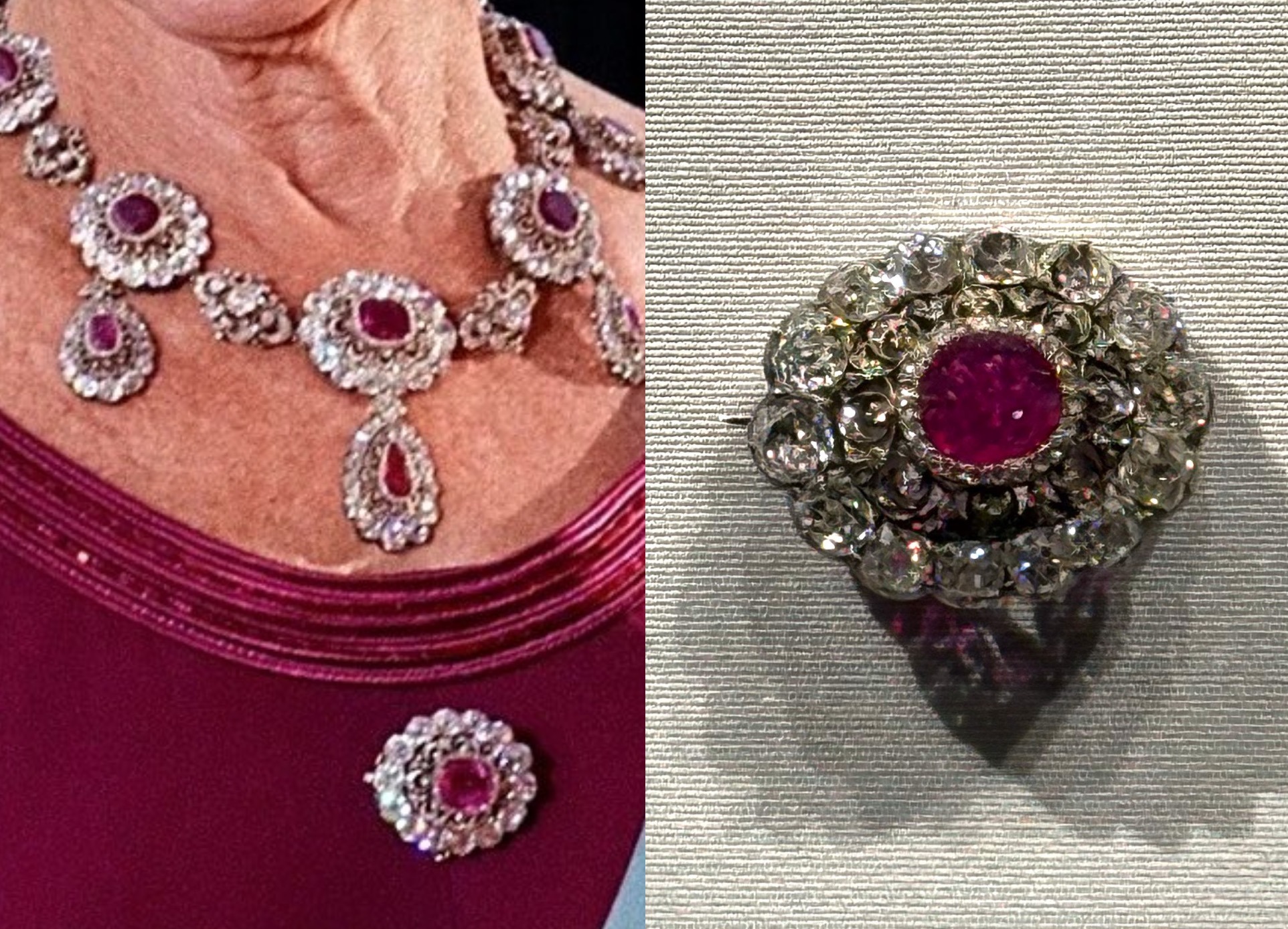
However, we can now reveal that the Ruby and Diamond Brooch is one of the elements of the legendary Greek Ruby Parure which once belonged to Princess Alexandra’s grandmother, Grand Duchess Elena Vladimirovna.
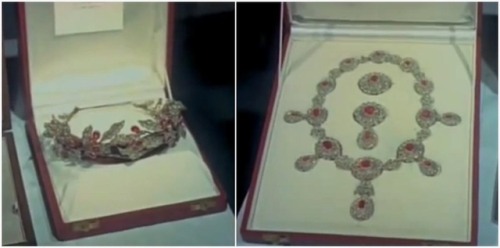
Every year, King George I of Greece bought a rare pigeon-blood red ruby for Queen Olga on their anniversary which were eventually incorporated into a Parure consisting of a Tiara composed of diamond olive leaves and ruby clusters, the olive wreath design echoing the wreaths of ancient Greece; a necklace of ruby and diamond clusters of flexible length with detachable pendants; a pair of earrings; and two brooches, one with a pendant and one without. Their son, Prince Christoper wrote:
My mother had some beautiful jewels. Her rubies were famous, for my father had delighted in collecting them for her, saying that of all stones they suited her white skin best.
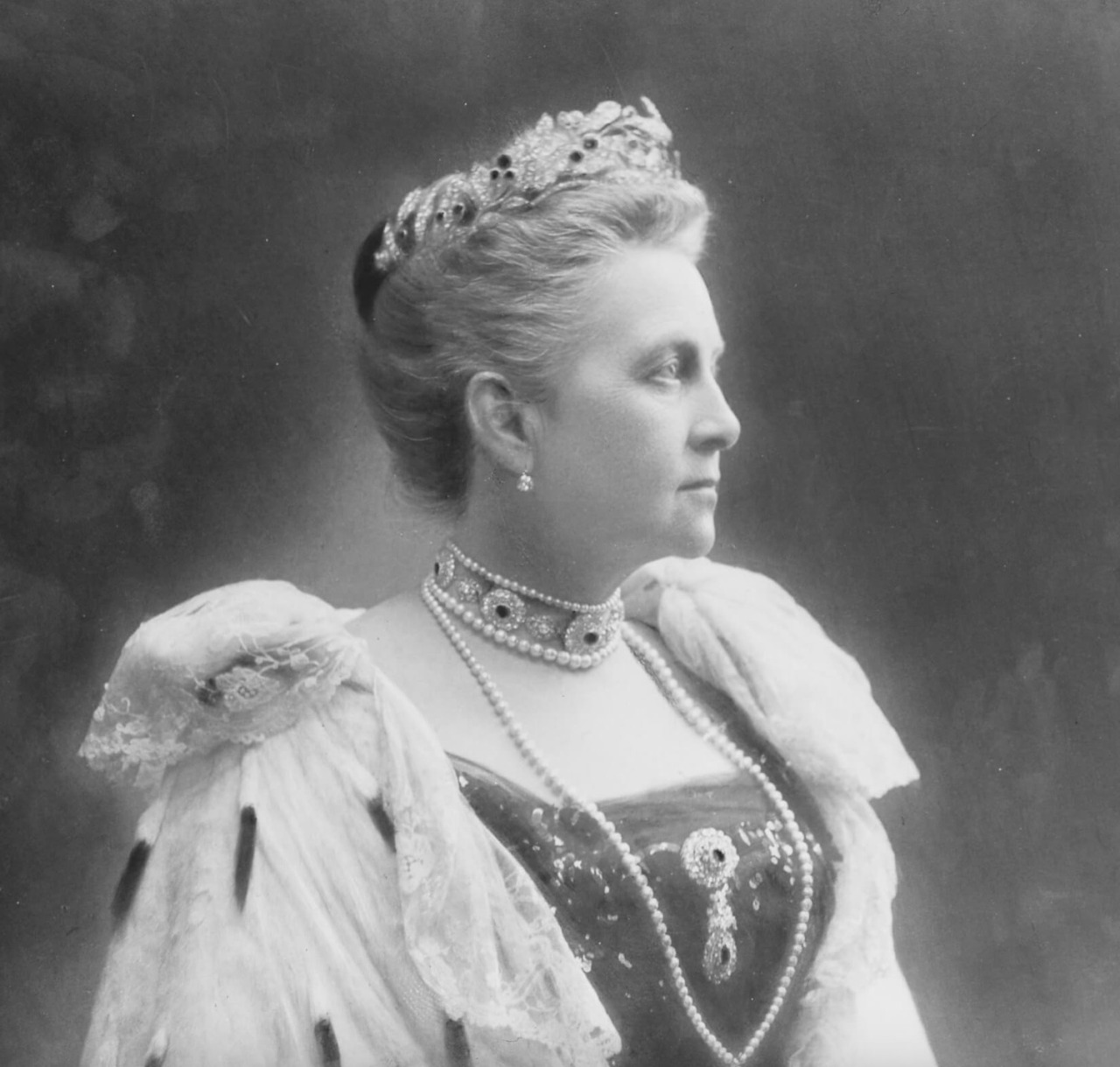
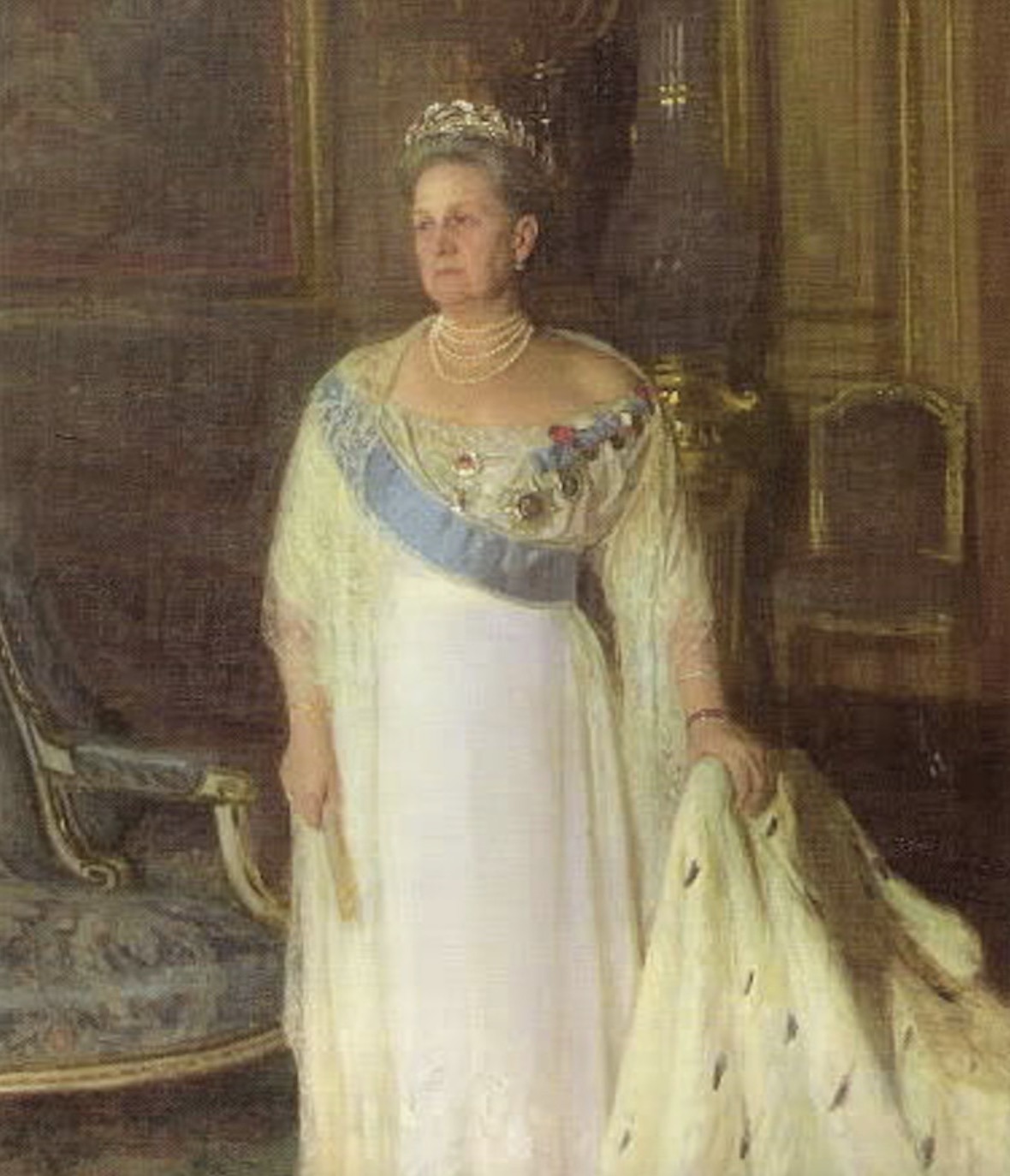
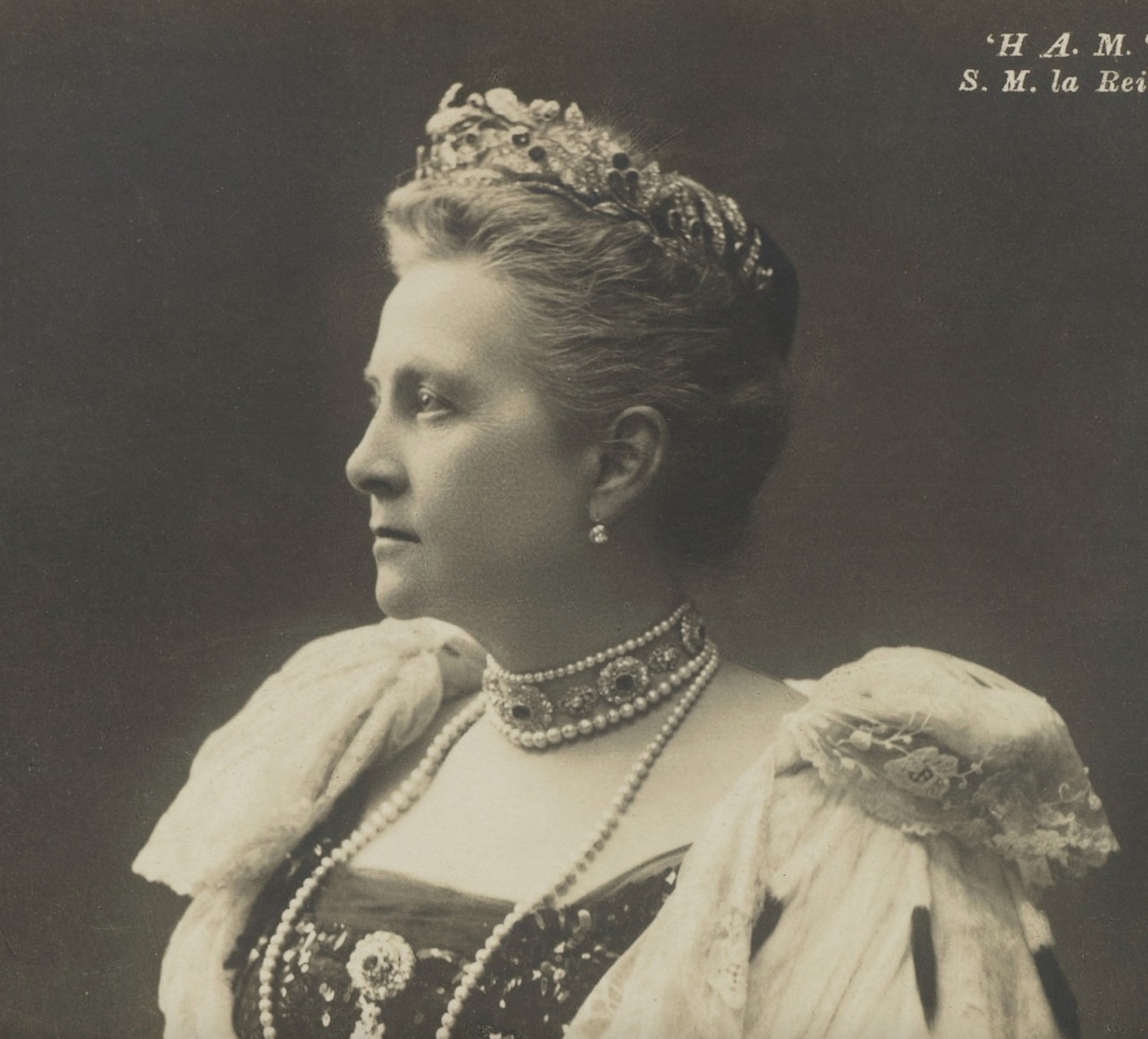
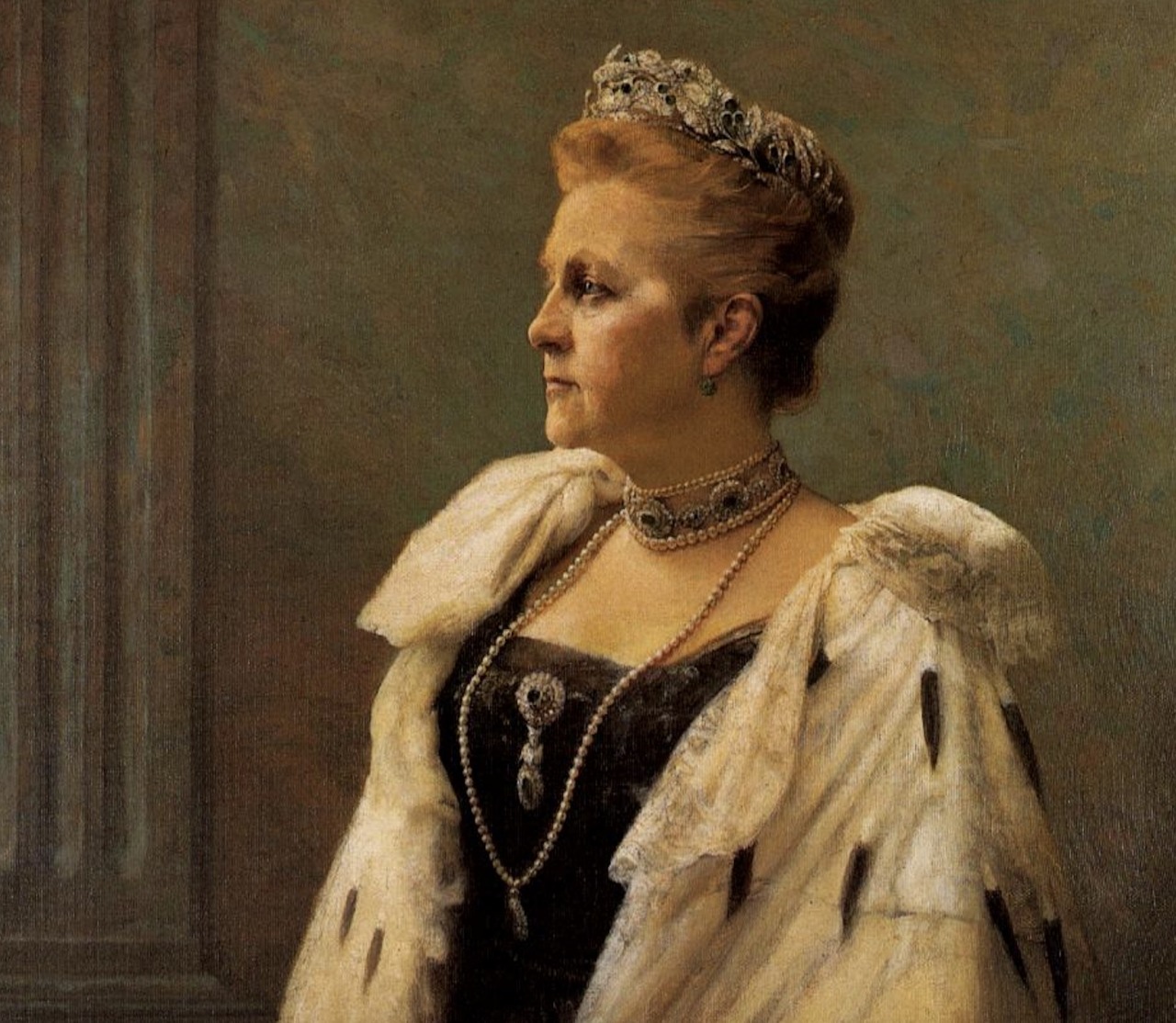
Queen Olga notably wore her Ruby Parure for a series of Portraits around 1908, and after being widowed, for a Laurits Tuxen painting in 1914, as well as for a painting by Georgios Jakobides made around 1915, likely inspired by the official portrait.
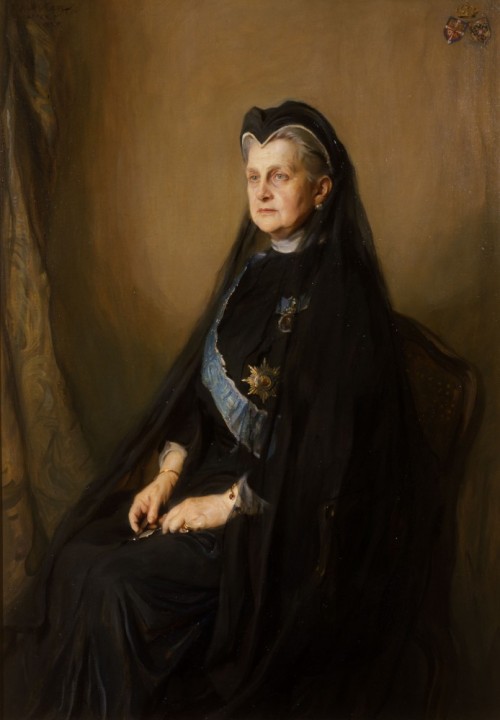
Queen Olga spent much of the First World War in her native Russia, at her brother’s Pavlovsk Palace, making a tumultuous escape, with only the swift actions of her lady-in-waiting, Miss Baltazzi, managing to save her jewels from the Bolsheviks, who ransacked the Palace. Prince Christoper wrote:
To her intense relief she was able to get her jewels out of Russia through the clever muse of her lady-in-waiting, Miss Baltazzi. It was by no means easy, for jewels were being smuggled over the frontiers almost every week, either by escaping nobility and their friends (usually foreigners attached to one of the embassies) or by thieves, who worked in regular gangs.
Their method of getting hold of the jewels was most ingenious. They had spies whose business it was to keep a watch both on the great families known to possess beautiful jewels and on the various Commissariats. Thus they knew more or less who was under suspicion and they would wait their opportunity until the house was raided and arrests made. Then in the confusion one or two of their number would enter it disguised either as soldiers or servants and get possession of the jewels, whose whereabouts they had previously ascertained. It was a risky proceeding, for the punishment was death, but their organisation was so close that they went undetected for a long time. They generally worked in conjunction with professional smugglers, usually Poles or Finns, who were willing to take their plunder out of the country for a share in it. But after a while their activities were observed and a close watch was kept on every frontier.
My mother had to be particularly careful as her jewels, especially one magnificent set of emeralds, were known to be of great value and had therefore probably been marked down. The lady-in-waiting made a box for them herself, not daring to trust it to anyone else. One day a Greek student called at the house to see Miss Baltazzi with a package of books which were exactly the same size and shape as the box of jewels. When he left he still carried his package, but the box was in it and the books left behind.
He went straight to the Danish Legation and delivered over the jewels, which were sent to Copenhagen.
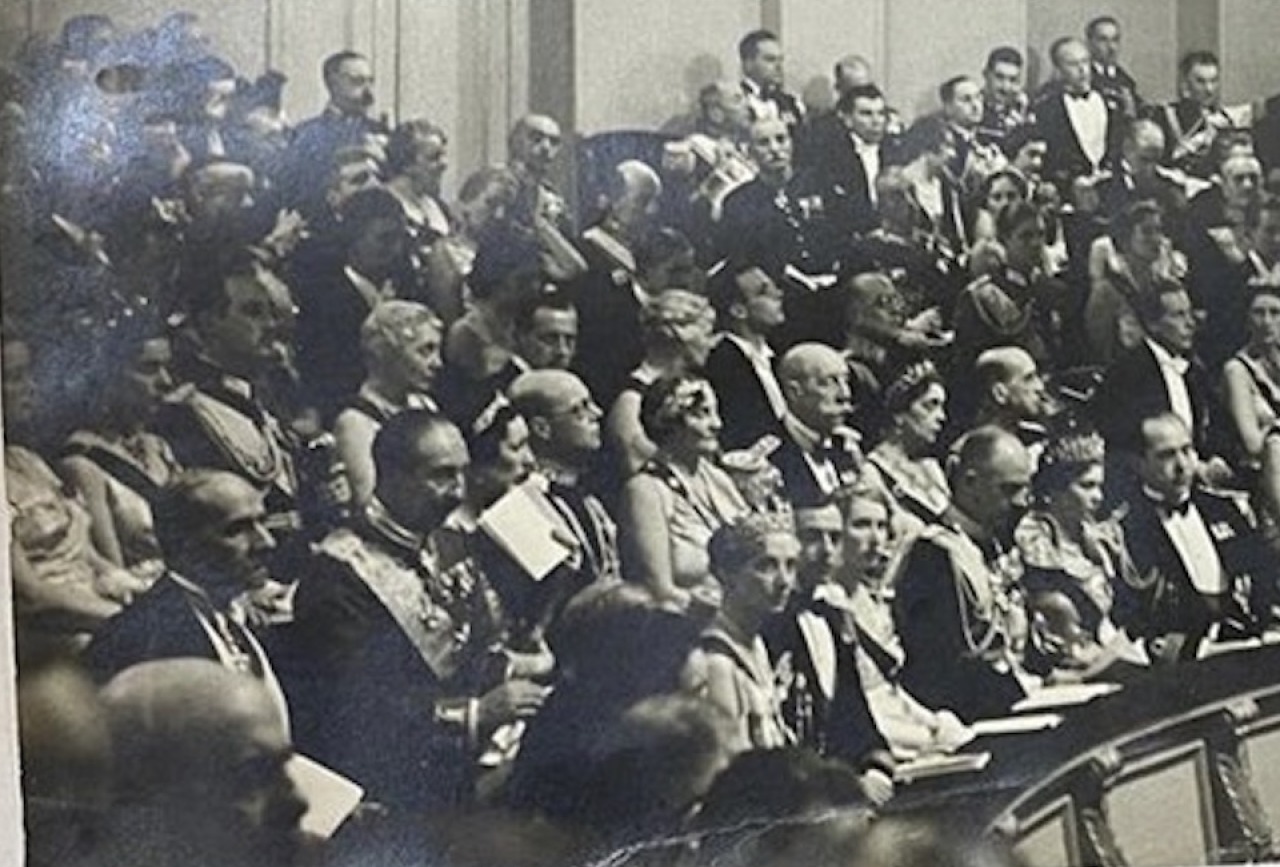
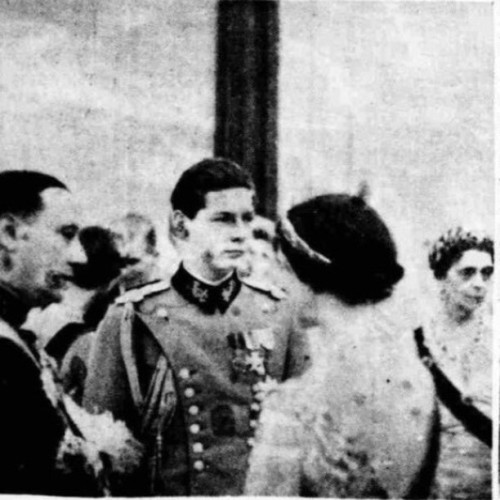
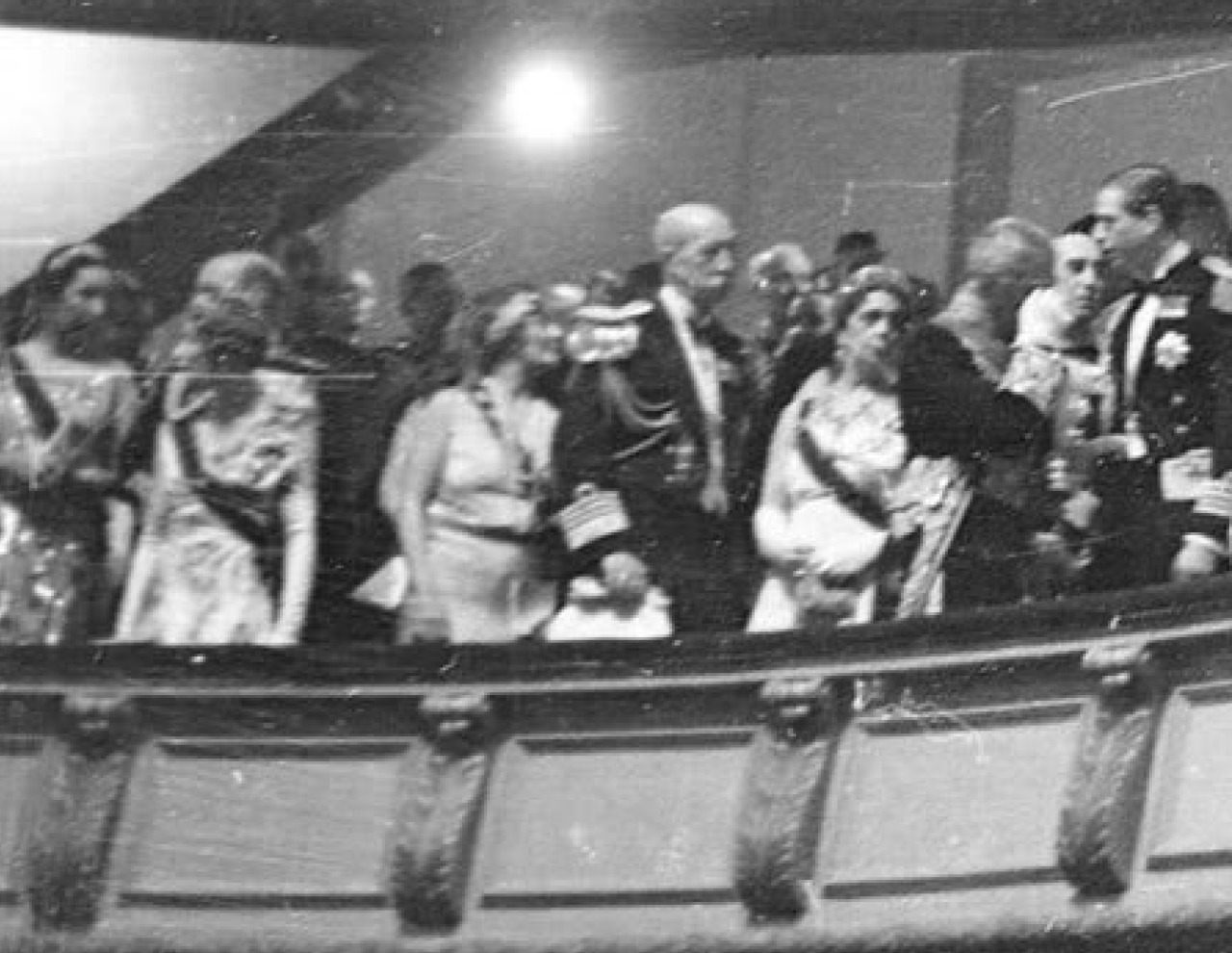
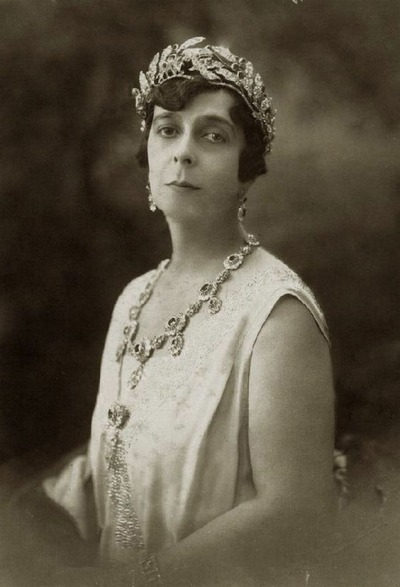
After Queen Olga’s death in 1926, she left her Emerald Parure to her grandson, King George II, her Turquoise Parure to her youngest son, Prince Christopher, her Pearl Corsage Brooch to Prince George, a Diamond Rivière to her granddaughter, Princess Olga of Yugoslavia, and the Ruby Parure to her second son, Prince Nicholas, who was married to Grand Duchess Elena Vladimirovna, who herself possessed a substantial jewellery collection. Princess Nicholas was notably pictured wearing the Ruby Parure in an Official Portrait in the late 1920s, as well as the Wedding Gala of Crown Prince Paul of Greece and Princess Frederica of Hanover in 1938.
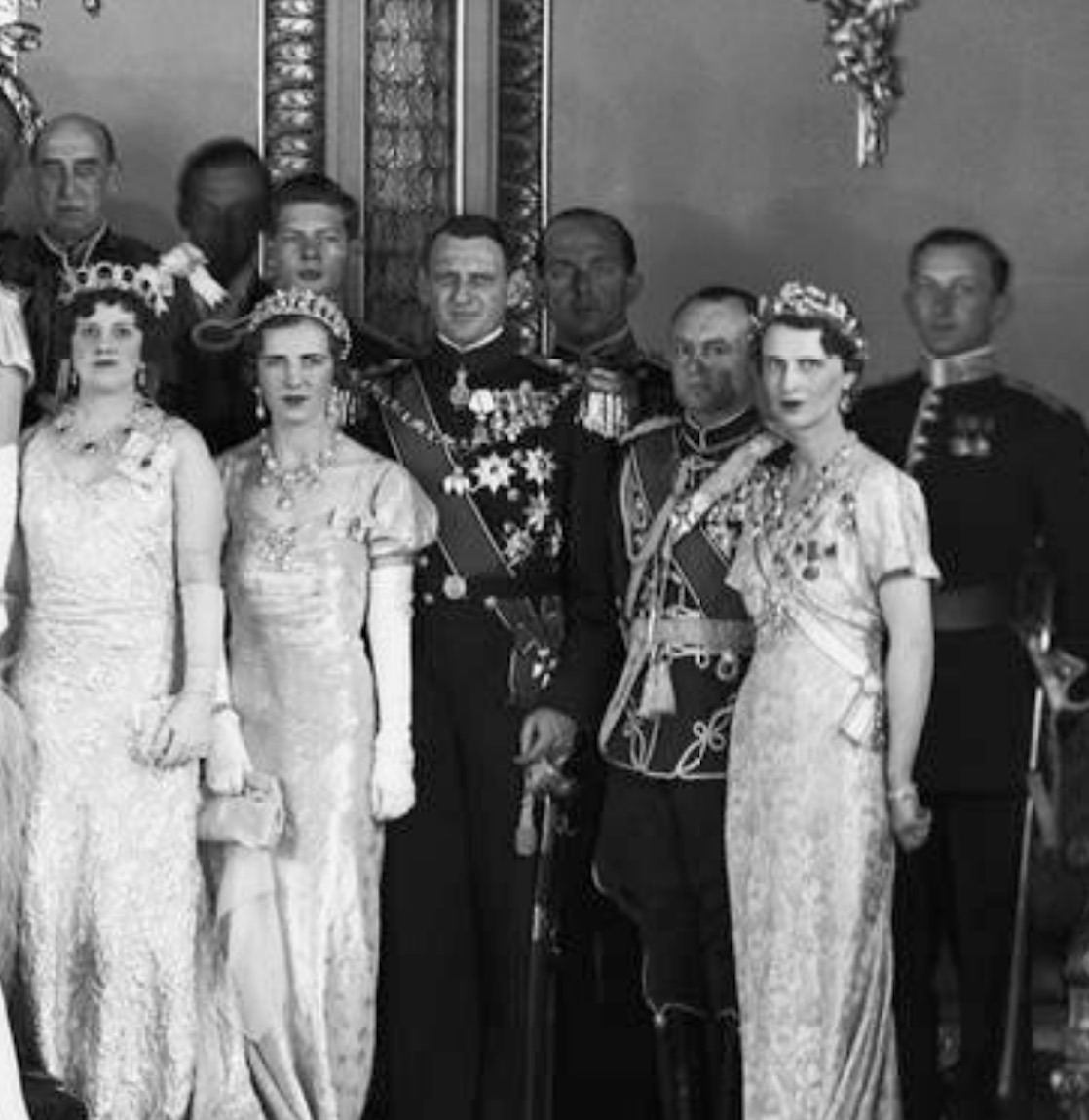

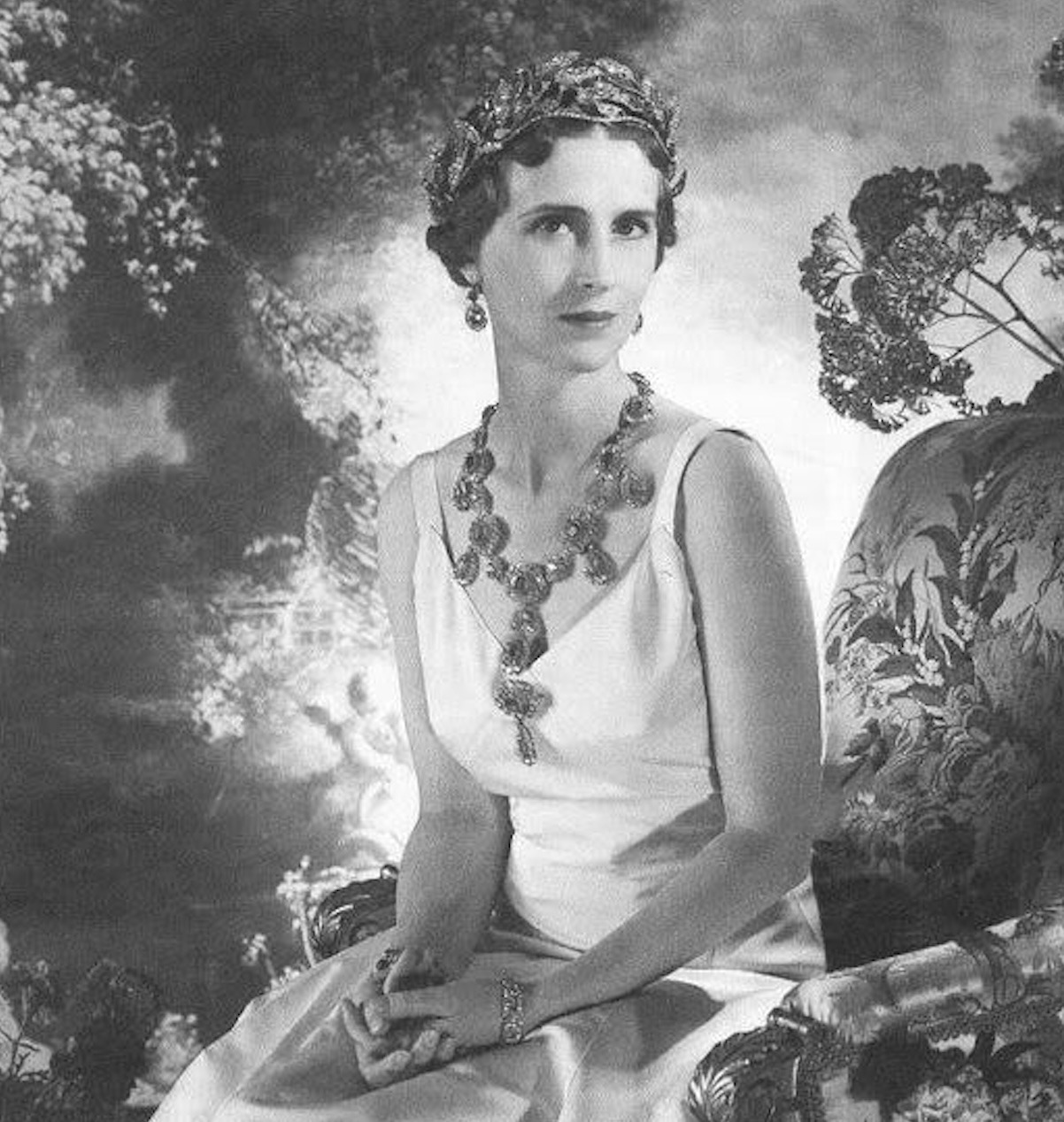
Princess Nicholas frequently loaned Queen Olga’s Ruby Parure to her daughters. In 1937, Princess Olga of Yugoslavia wore the Parure at the Coronation of King George VI, as well as for an iconic series of portraits by Cecil Beaton and on a controversial State Visit Germany in 1939.
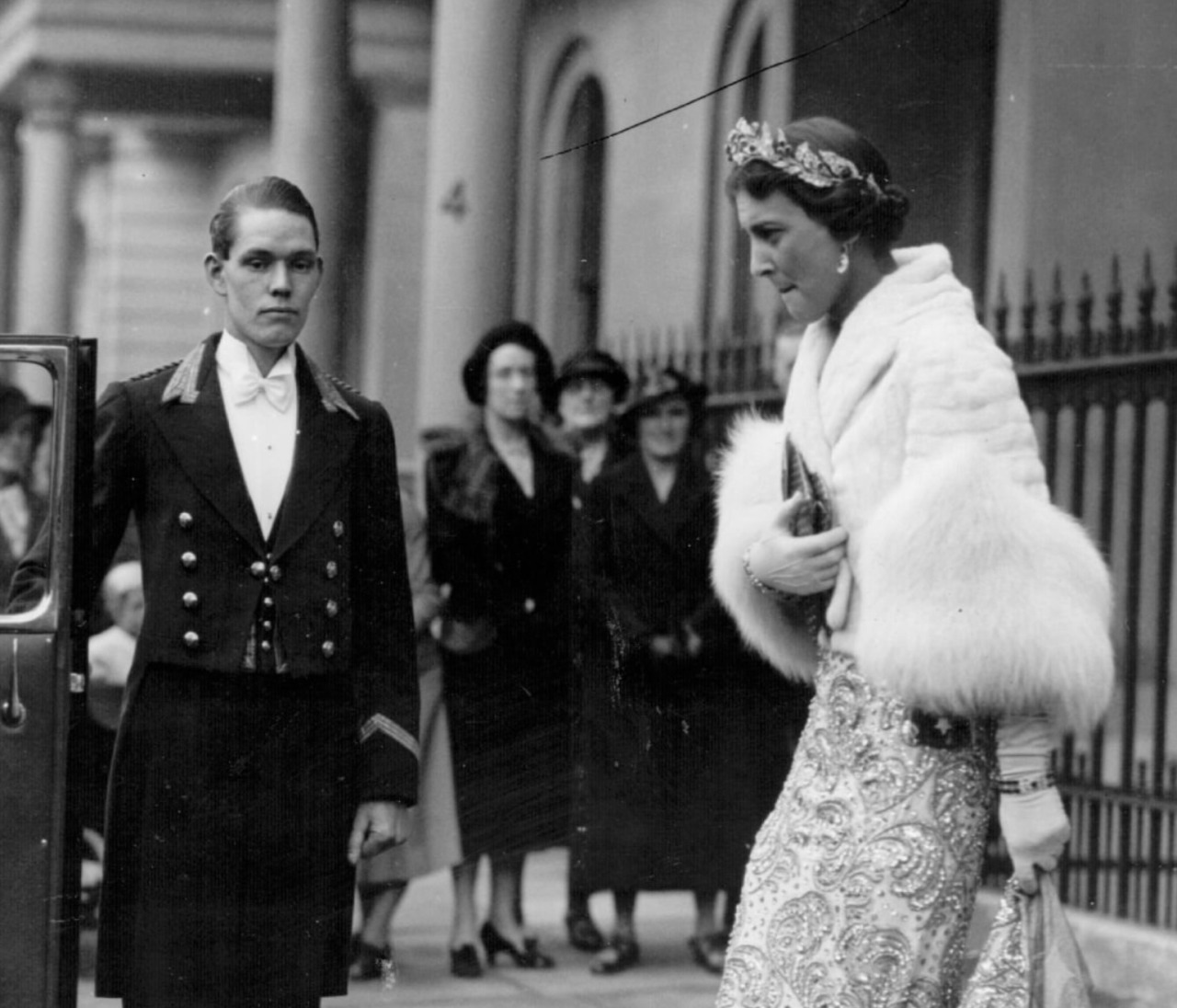
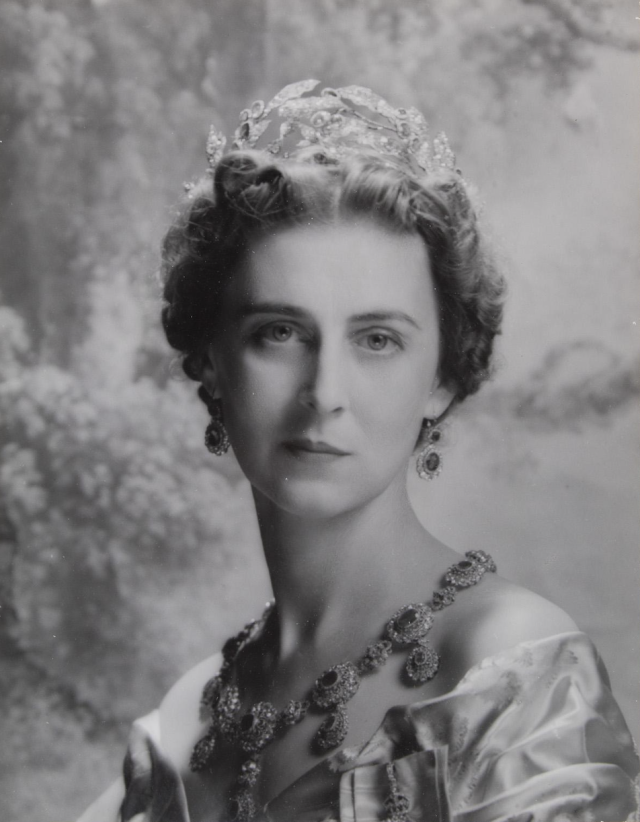
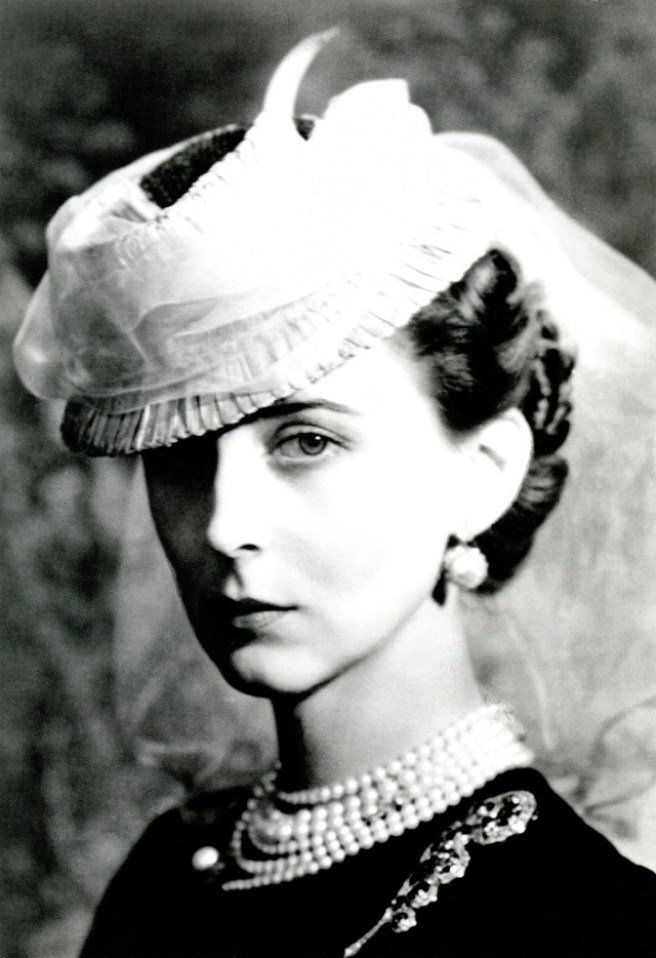
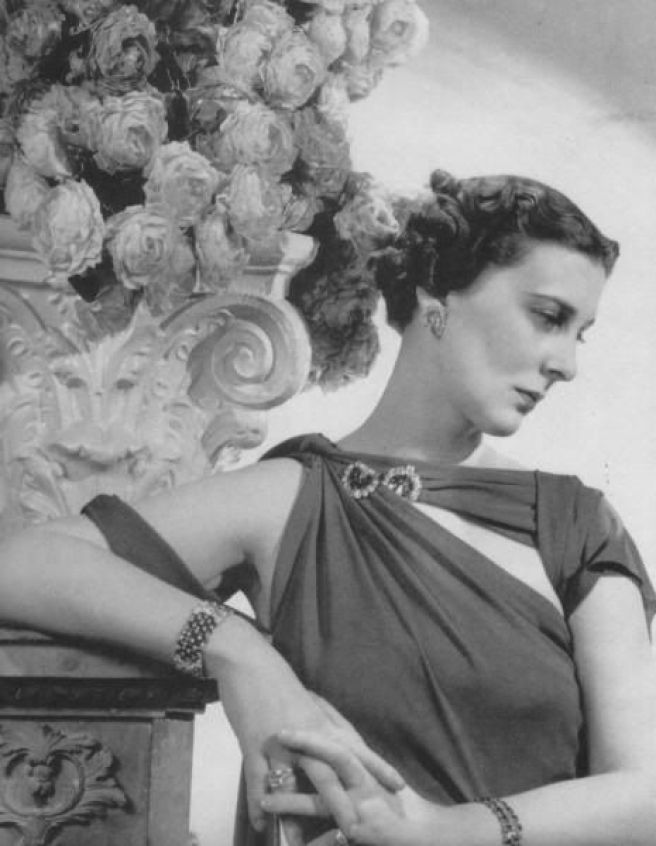
Princess Marina, Duchess of Kent wore Queen Olga’s Ruby Parure at the State Opening of Parliament in 1937, and for a Cecil Beaton Portrait in 1949.
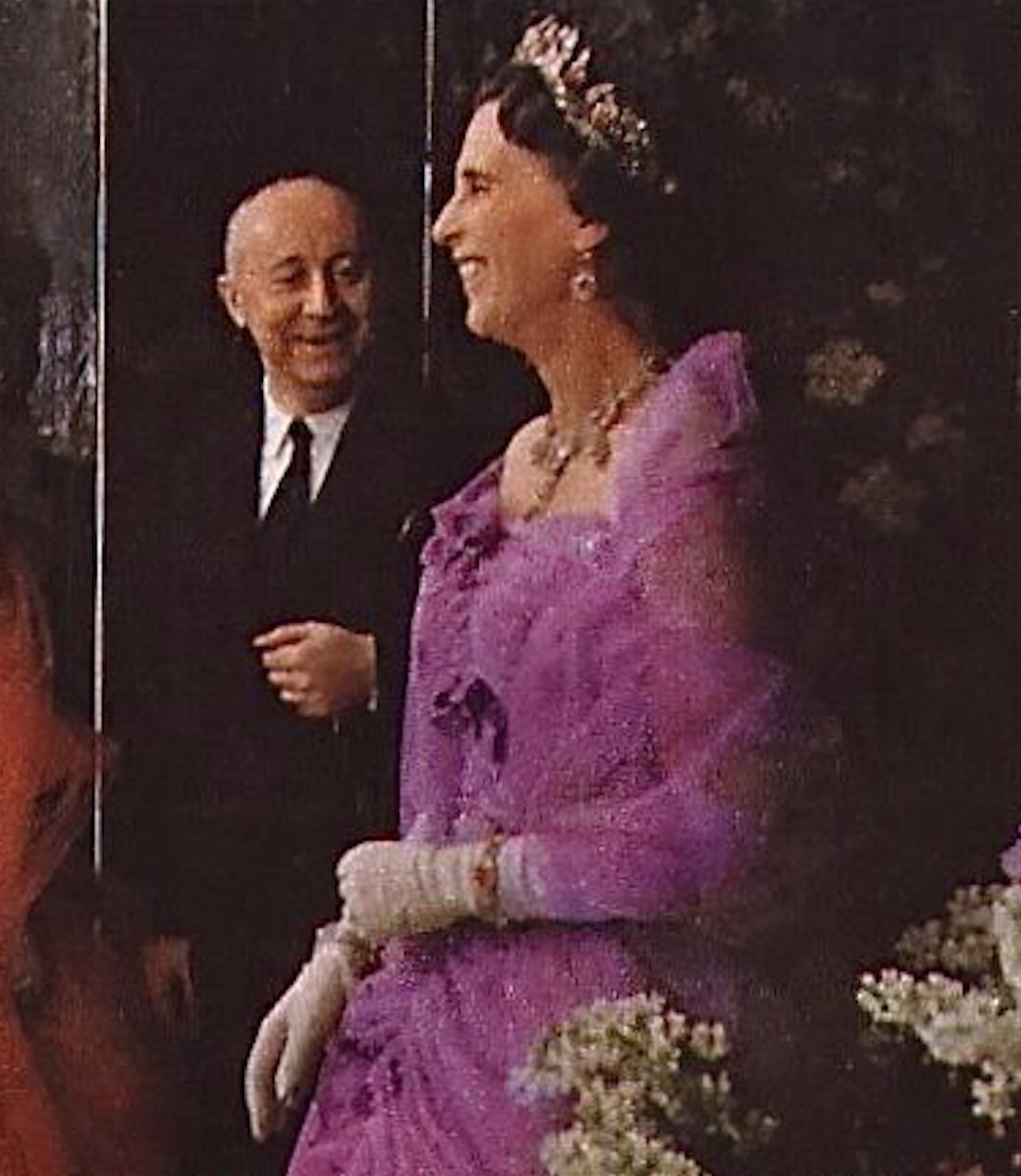
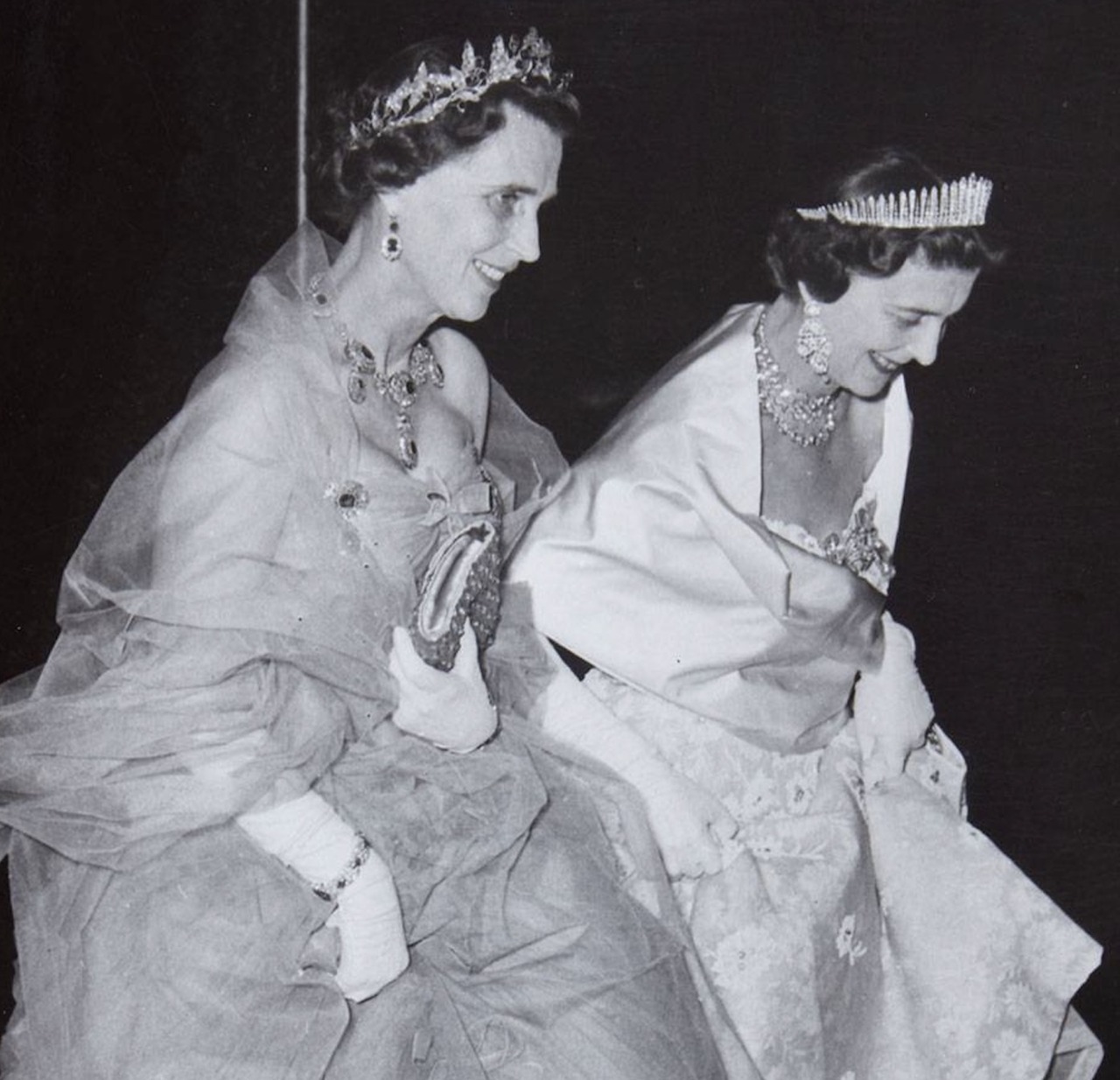

Princess Olga also wore the Ruby Parure for the Wedding Gala of her son, Prince Alexander of Yugoslavia, and Princess Maria Pia of Italy in Portugal in 1955.
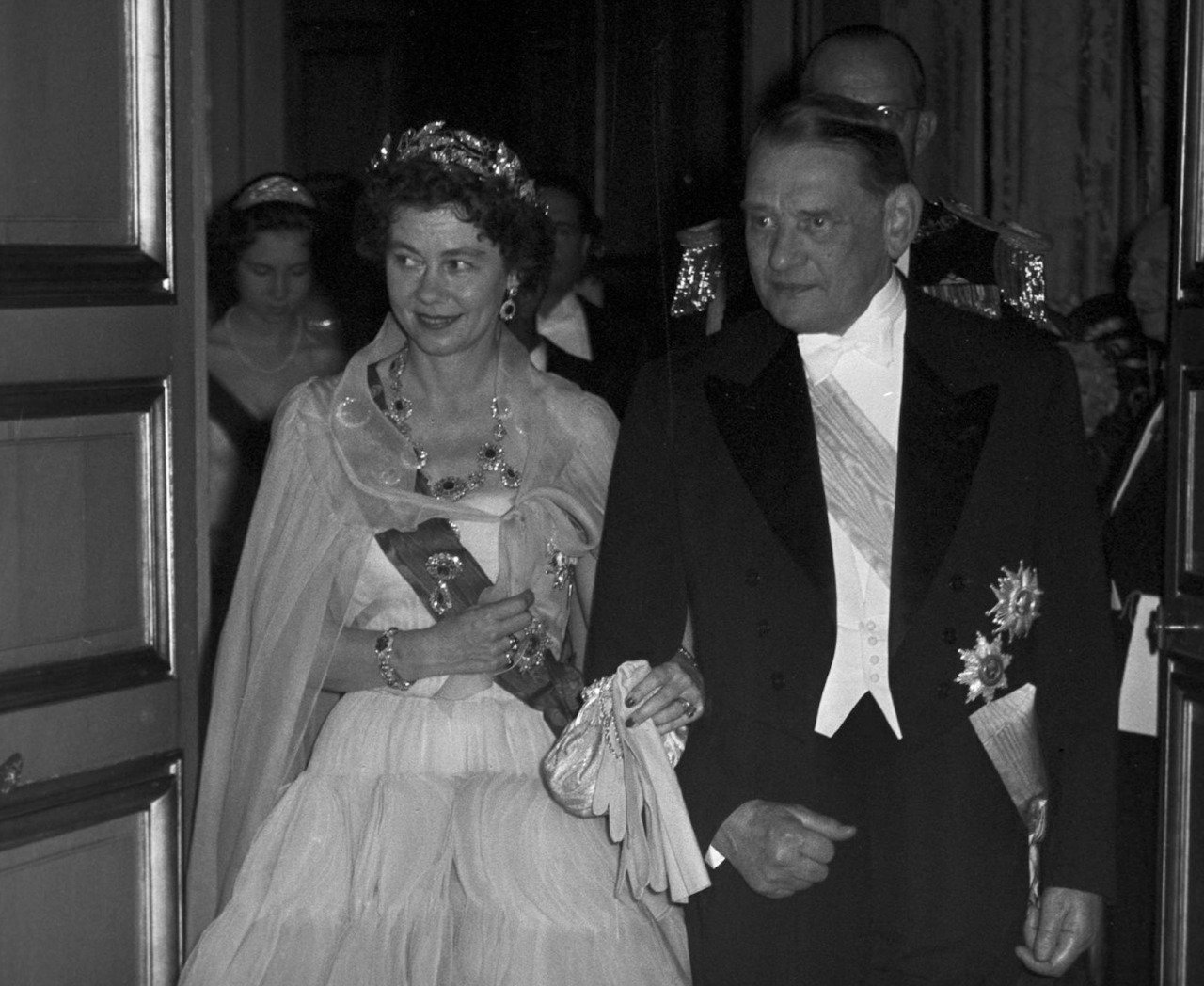
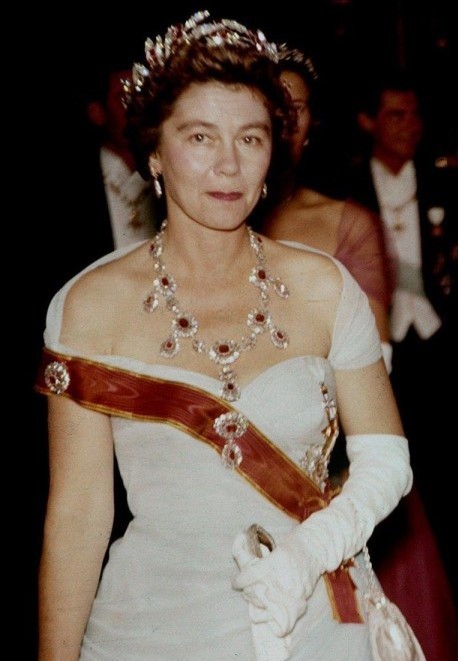
In 1956, Princess Nicholas loaned the Ruby Parure to Queen Frederica on a State Visit to France in 1956, and then on a State Visit to Germany the same year, before leaving it to Queen Frederica when she passed away the following year, much to the dismay of her daughters, as Chips Channon recalled:
“Prince Paul telephoned twice from Paris and said that Princess Nicholas had recently added a codicil to her will leaving her famous fine rubies – of Russian Imperial origin – to Queen Freddie.”

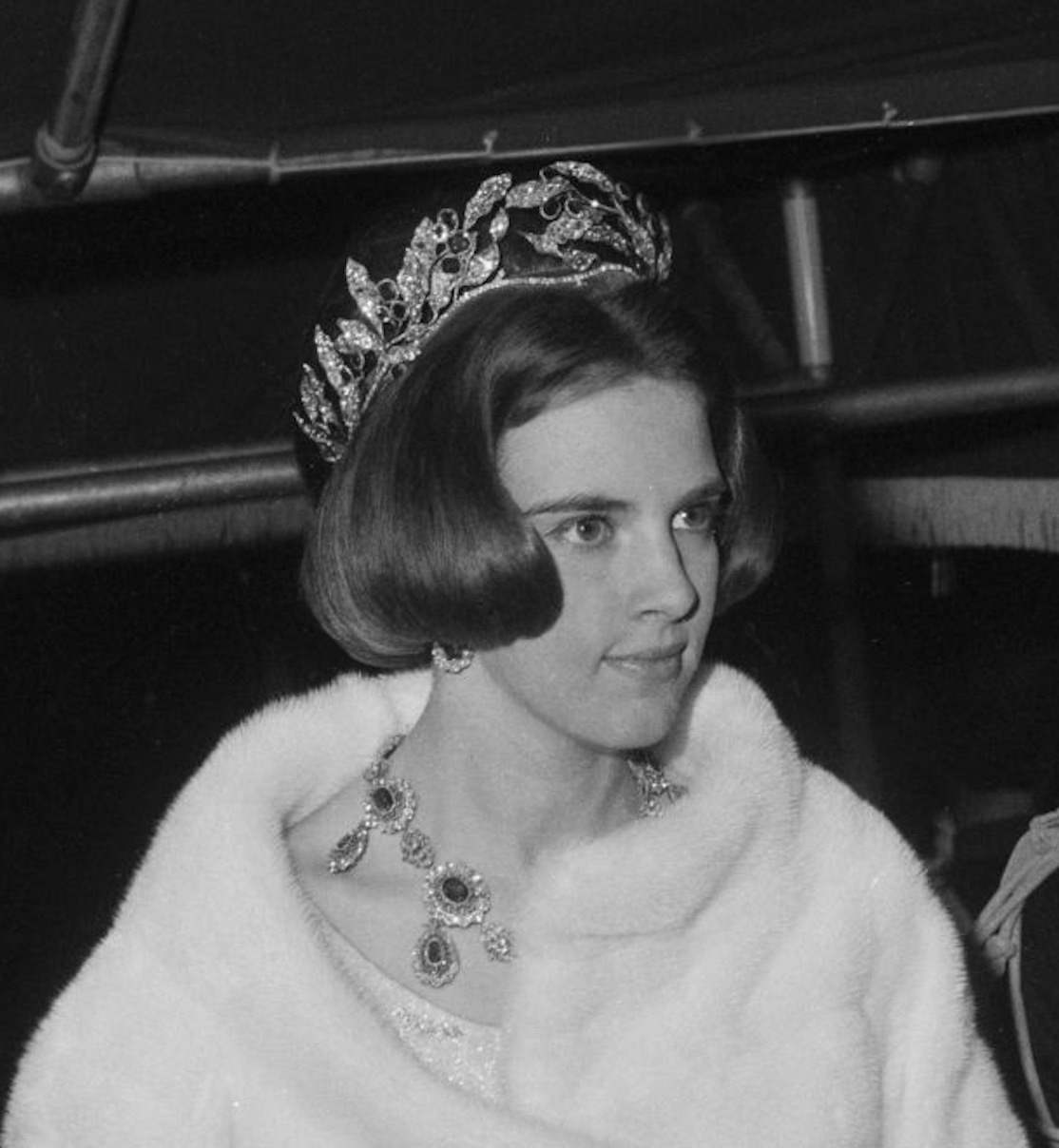
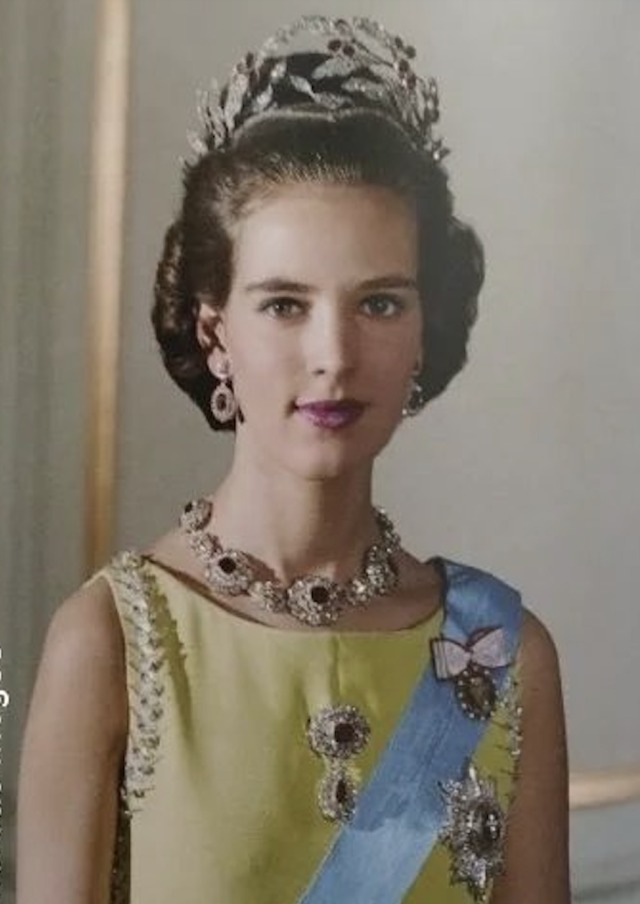
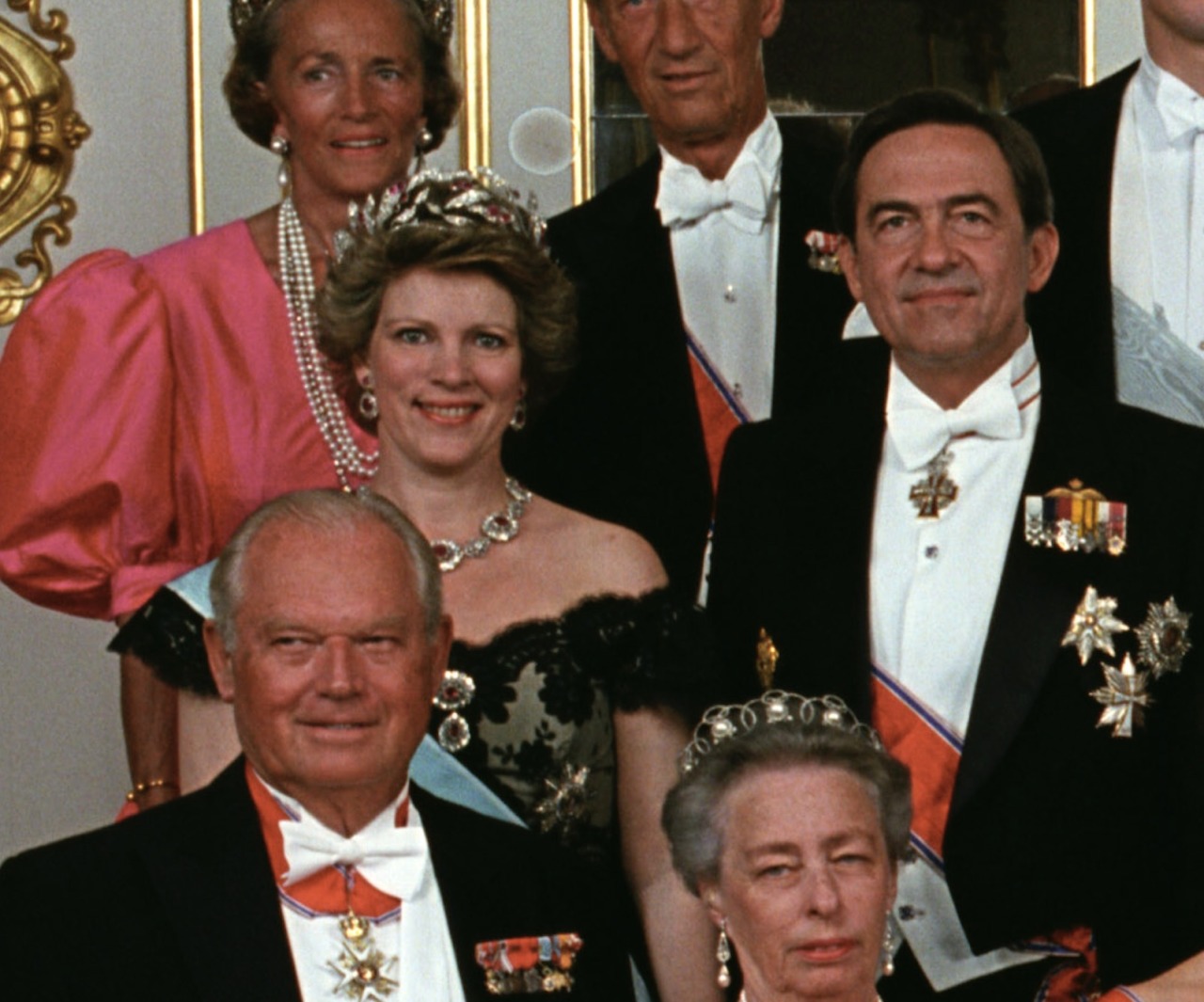
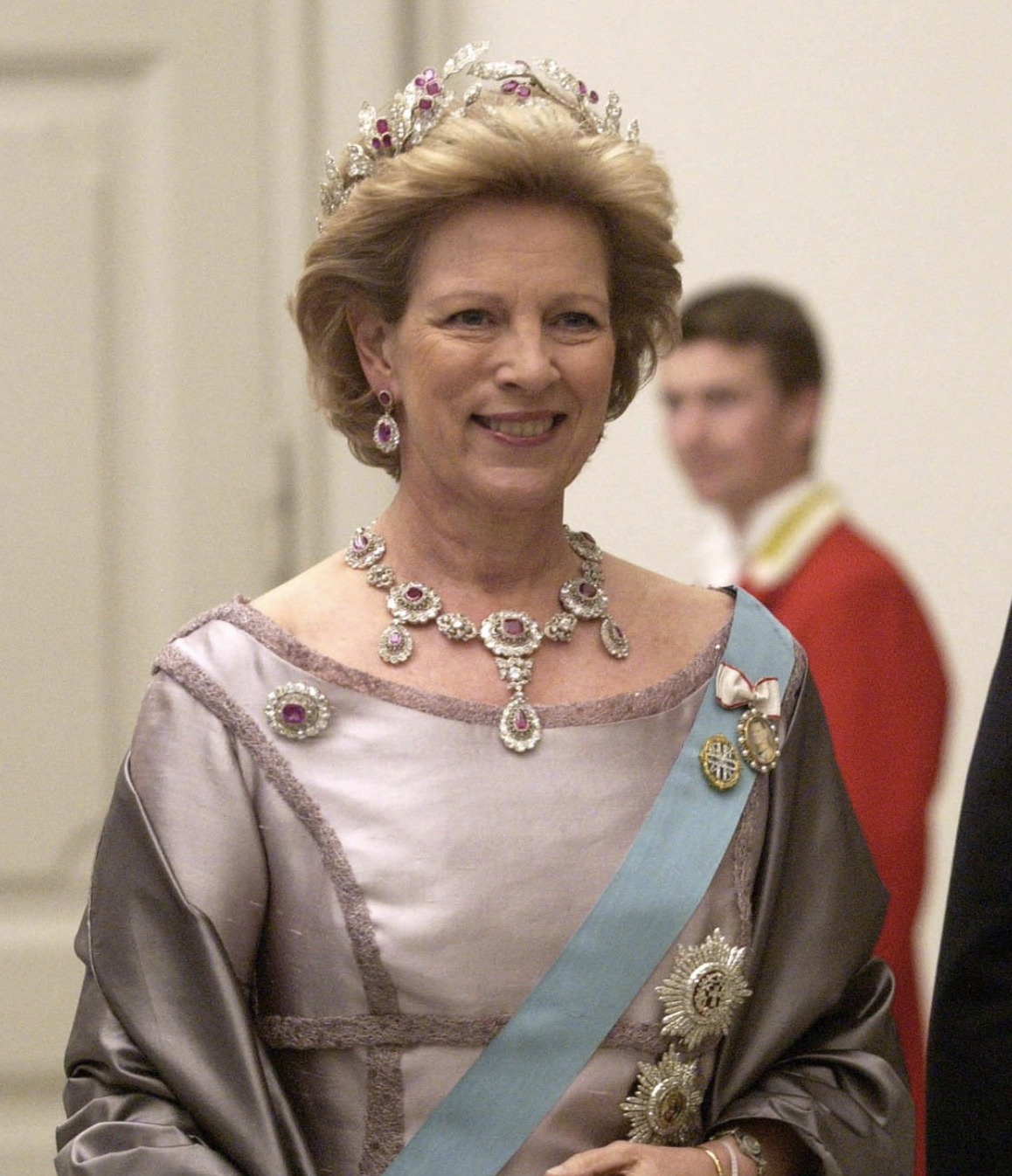
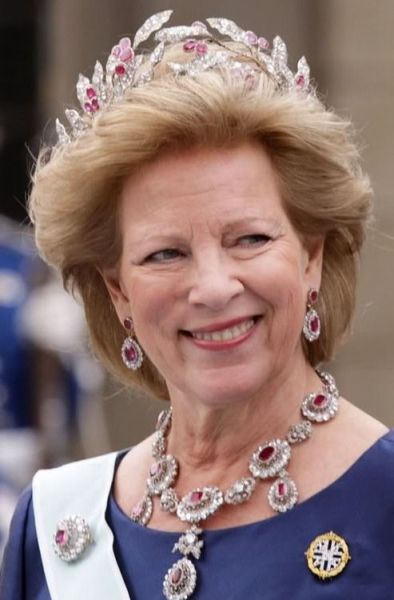
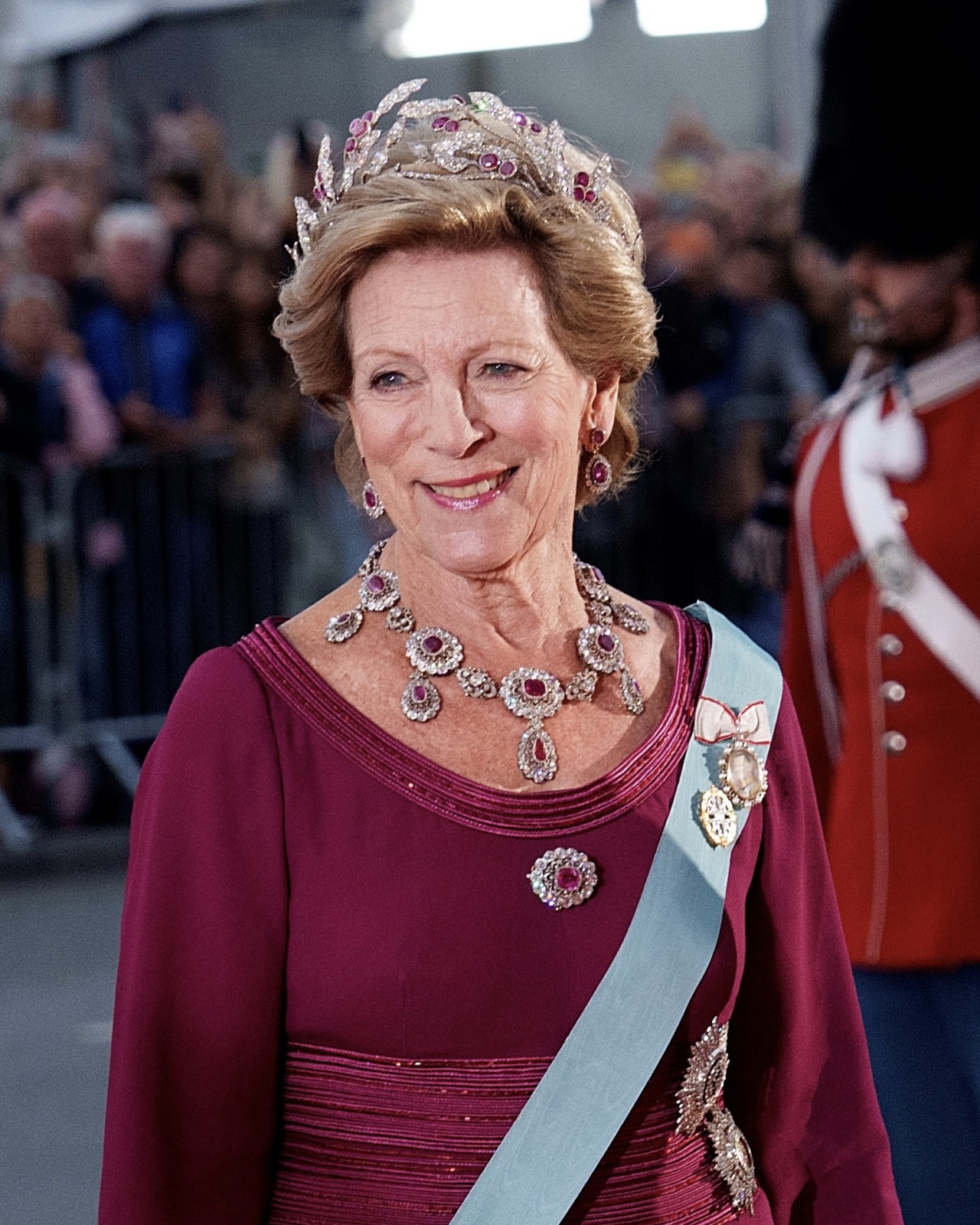
Queen Frederica frequently wore the Ruby Parure over the next few years, before it was passed along to Queen Anne Marie in 1964, who has continued to wear the Ruby Parure to this day, most recently in Copenhagen in 2022, where we saw the Rubies in person.
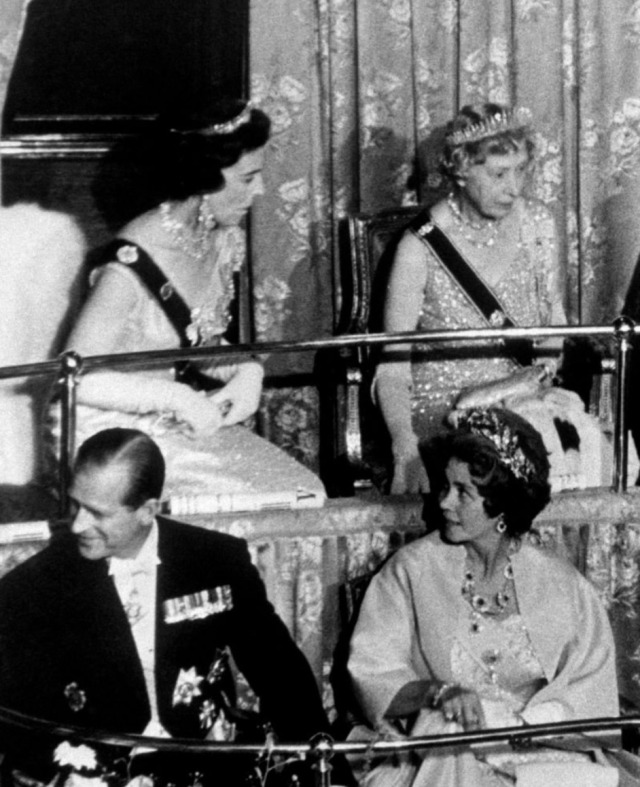
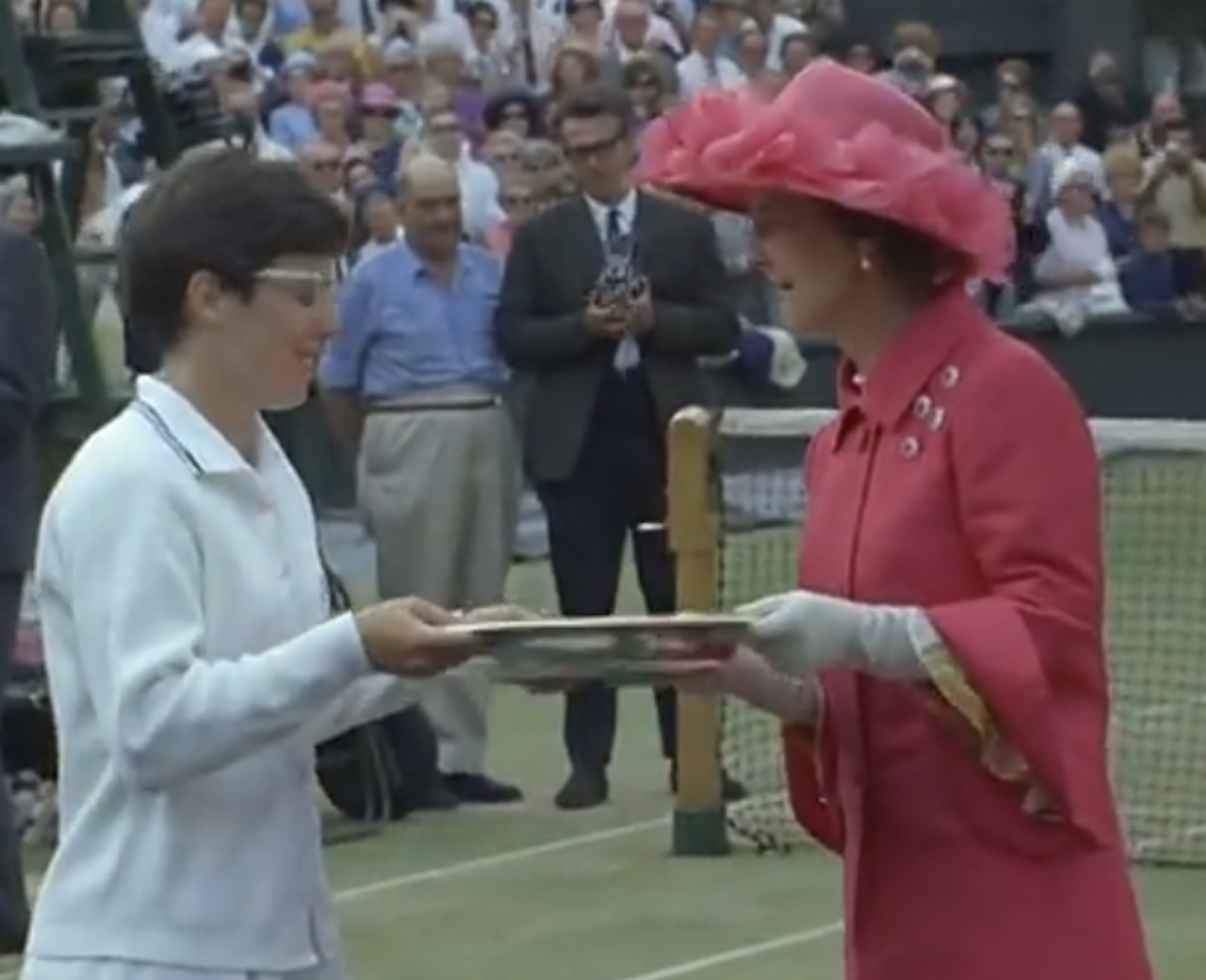
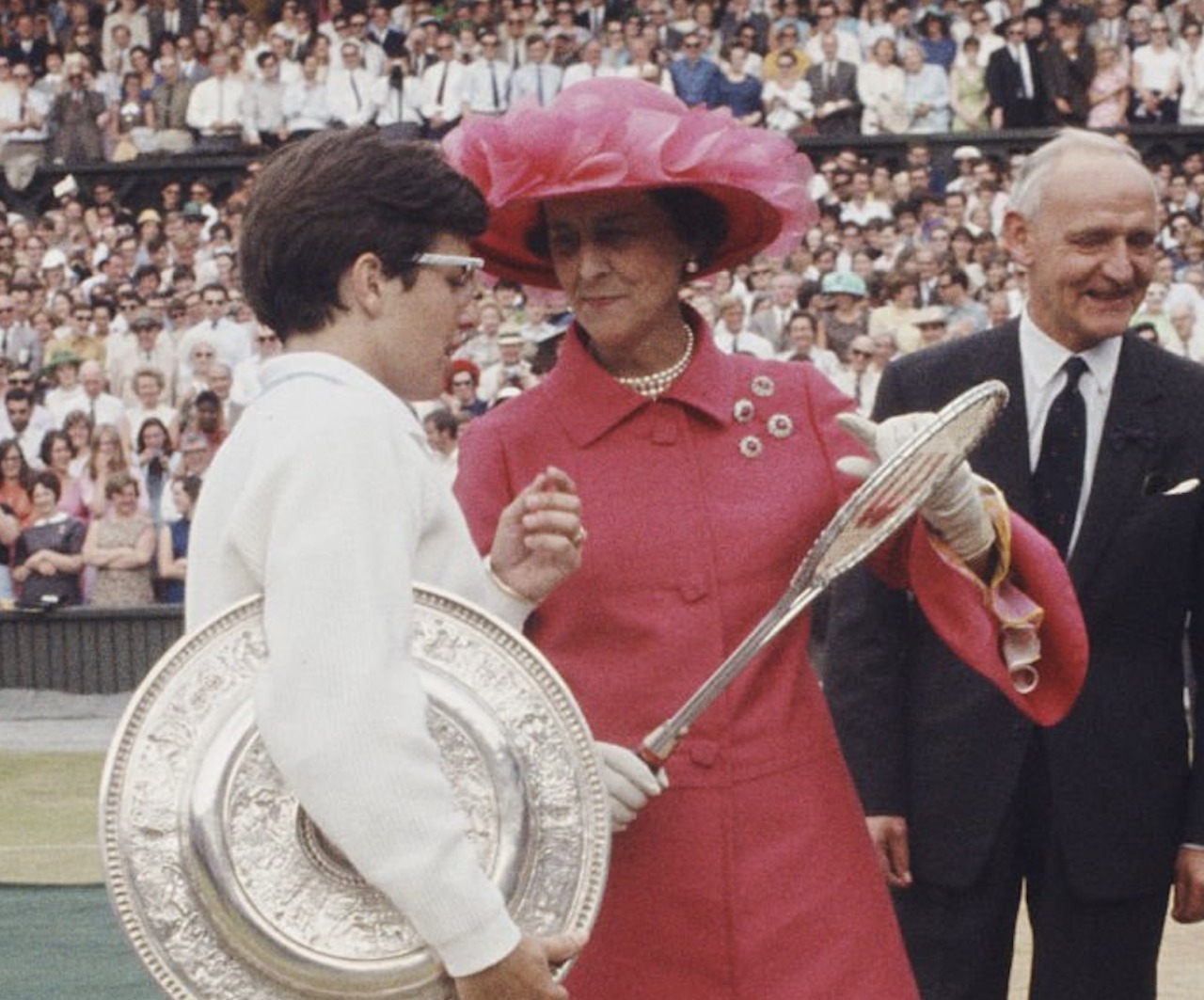
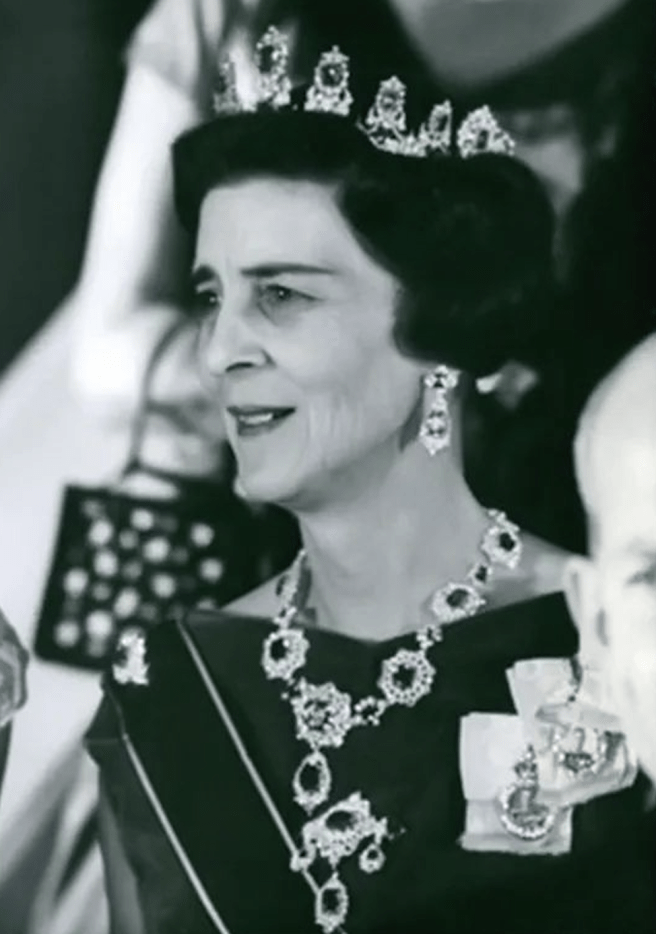
However, at least some of the elements of the Ruby Parure remained with Grand Duchess Elena’s daughters, since Princess Marina, Duchess of Kent most notably wore four small Ruby and Diamond Brooches when she presented the trophies at Wimbledon just a few short weeks before her sudden death in 1968. It was not publicly known that they were elements of Queen Olga’s Ruby Parure until now, though author Christophe Vachaudez had told us of the existence of additional elements.
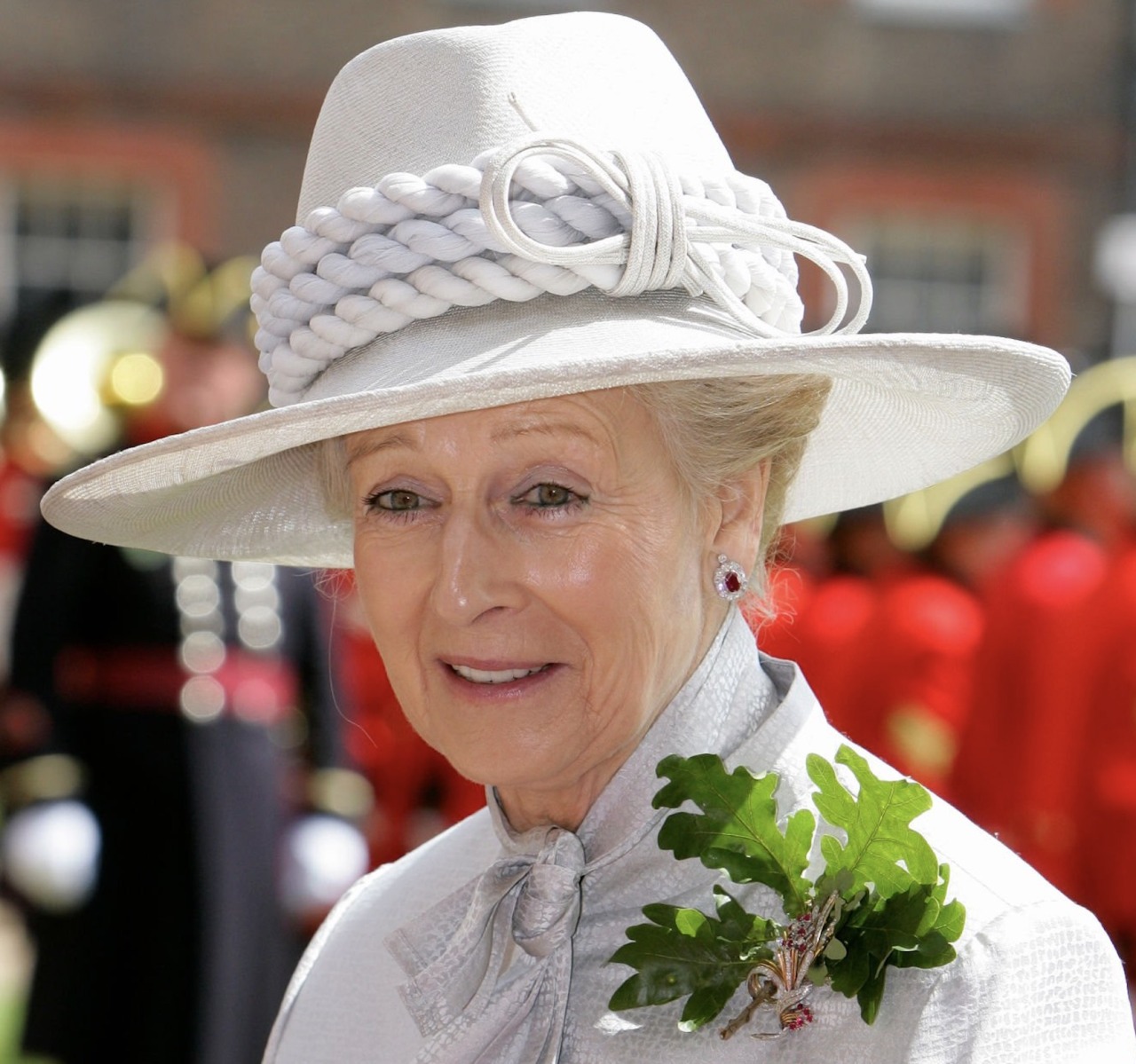
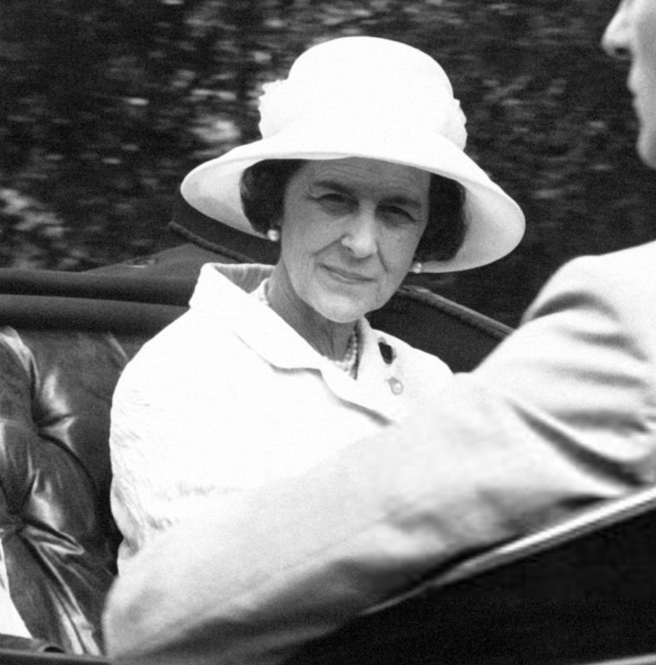
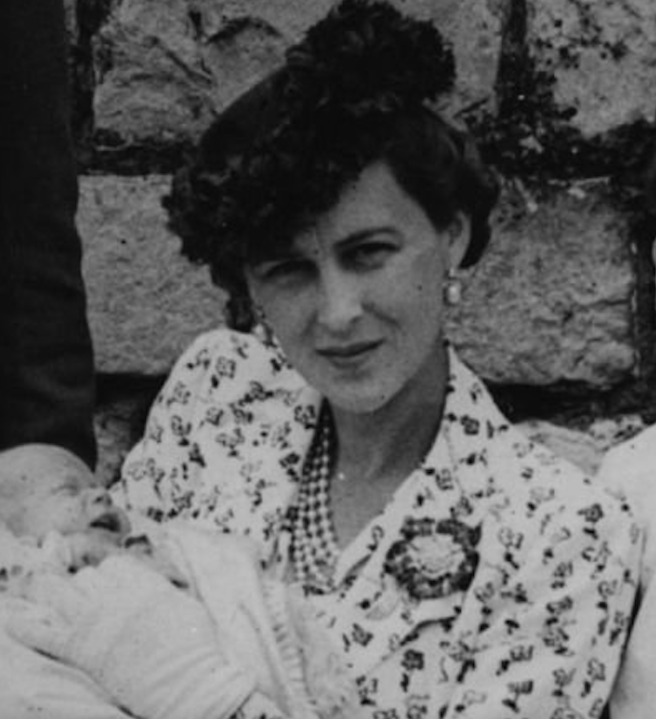
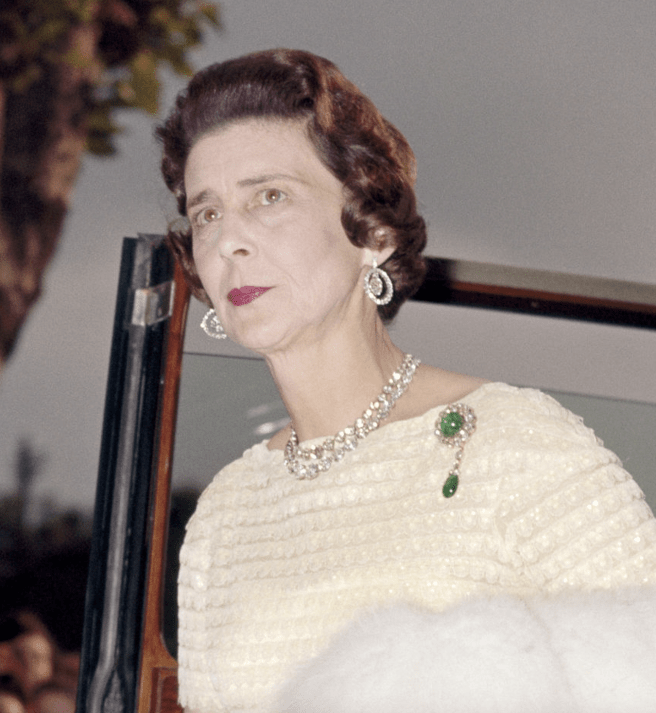
After Princess Marina’s passing, at least one of the Ruby and Diamond Brooches was inherited by her only daughter, Princess Alexandra of Kent but she does not seem to have ever worn it publicly, before it was sold off at some point and now belongs to the Albion Art Institute.
A signed letter from Princess Alexandra dated 2 March 2023 was supplied with the brooch, confirming her prior ownership.
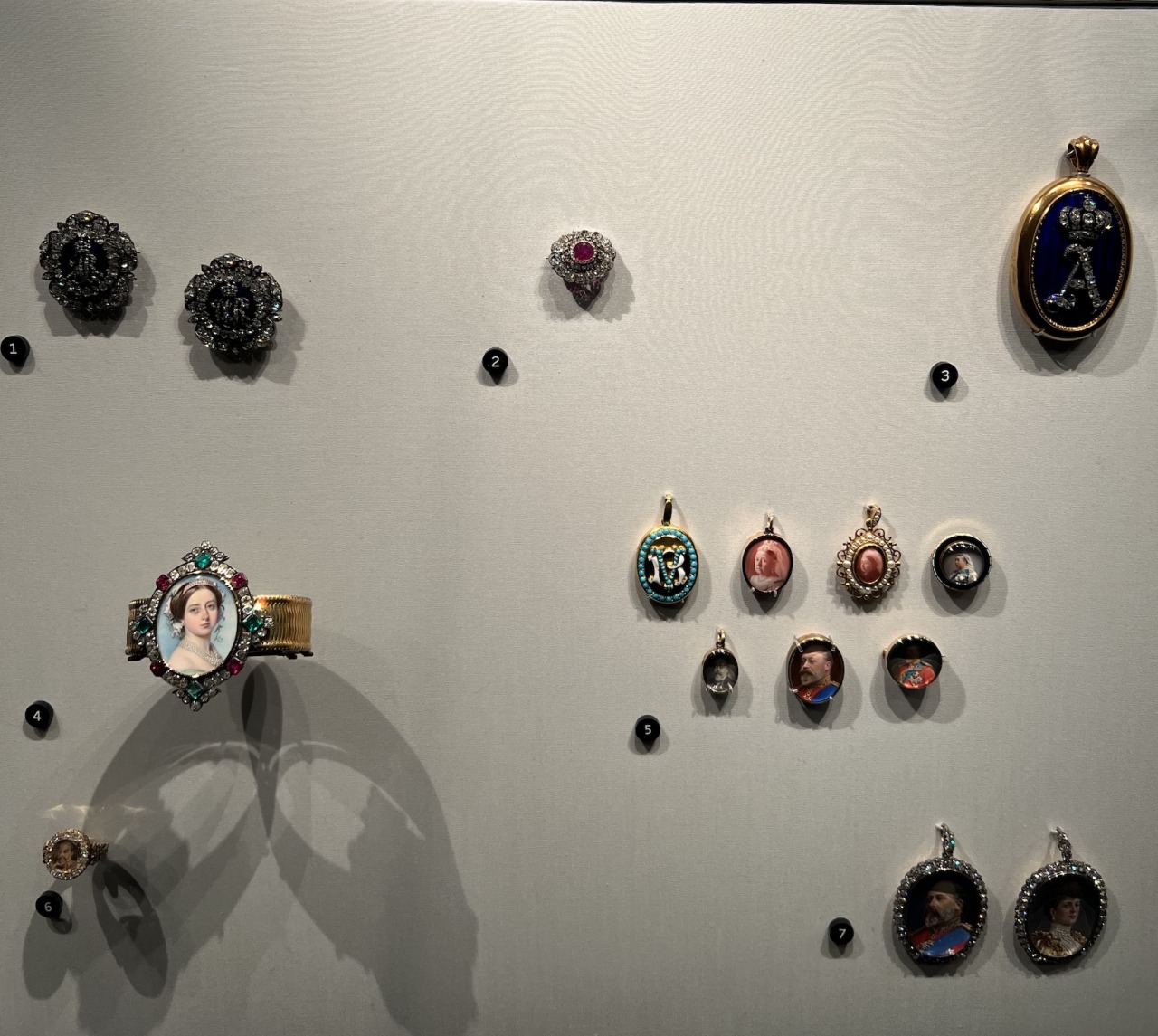
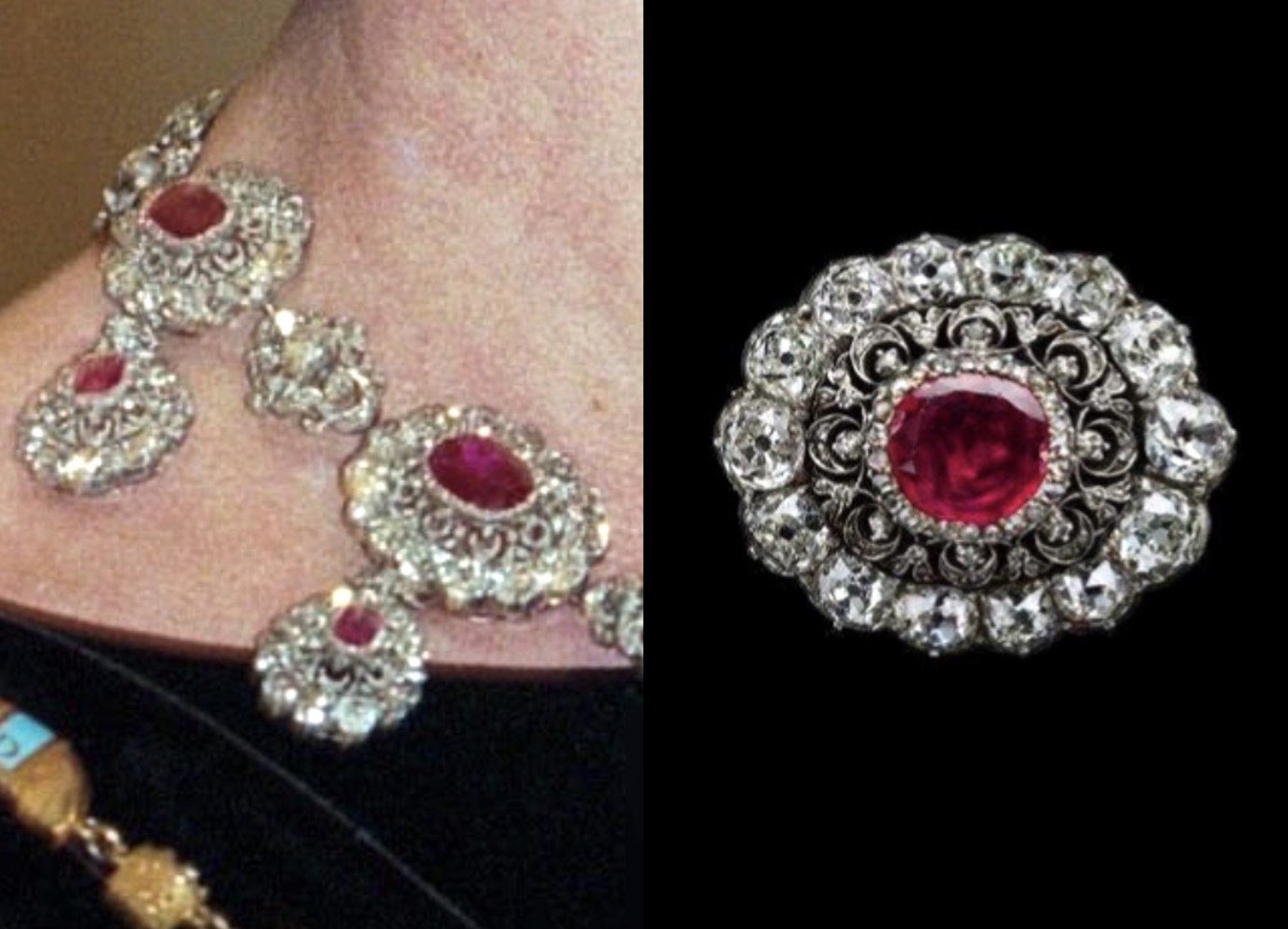
When I went to go view the Jewels from the Albion Art Institute loaned to Victoria & Albert Museum earlier this month, I saw the design identical to the elements of the Greek Ruby Parure and I took my findings to the Senior Jewellery Curator Helen Molesworth, who has also been delighted to know of this discovery.
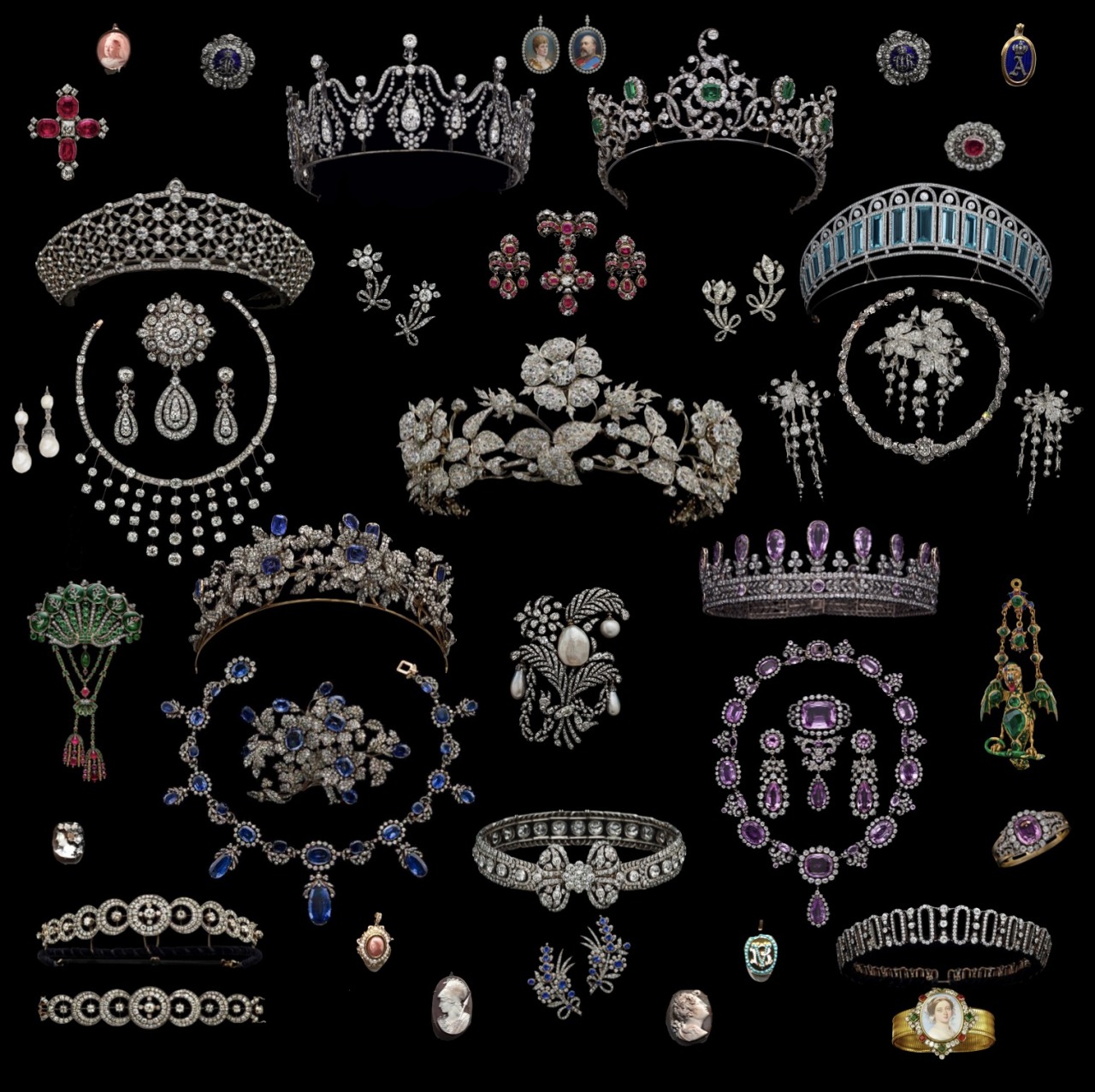
The Jewels from the Albion Art Institute are on display in the Jewellery Gallery at the Victoria & Albert Museum from December 2025 to April 2026.
The Ogilvy Tiara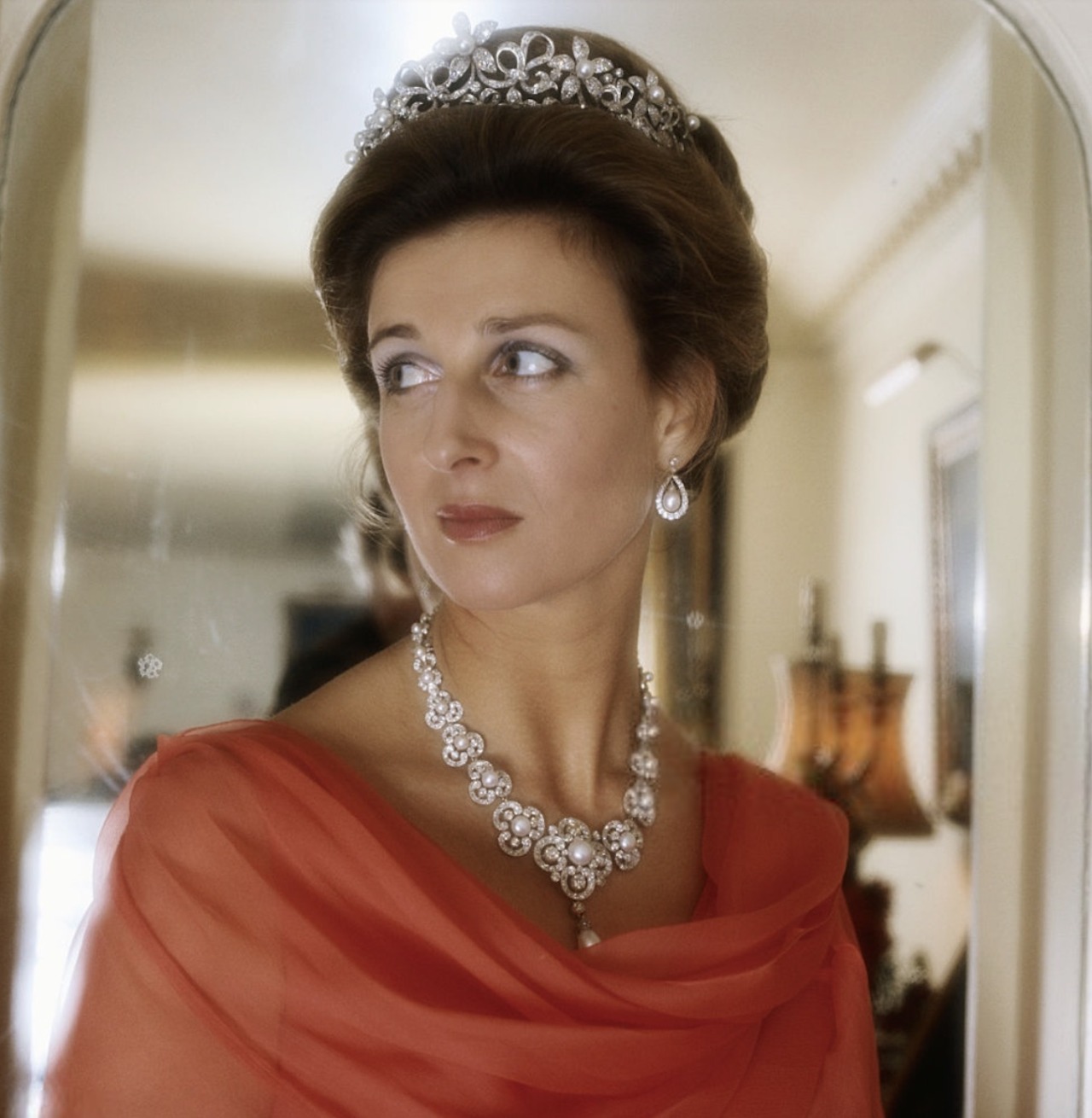
Diamond Flower Tiara
Pearl Circle Bandeau
City of London Fringe Tiara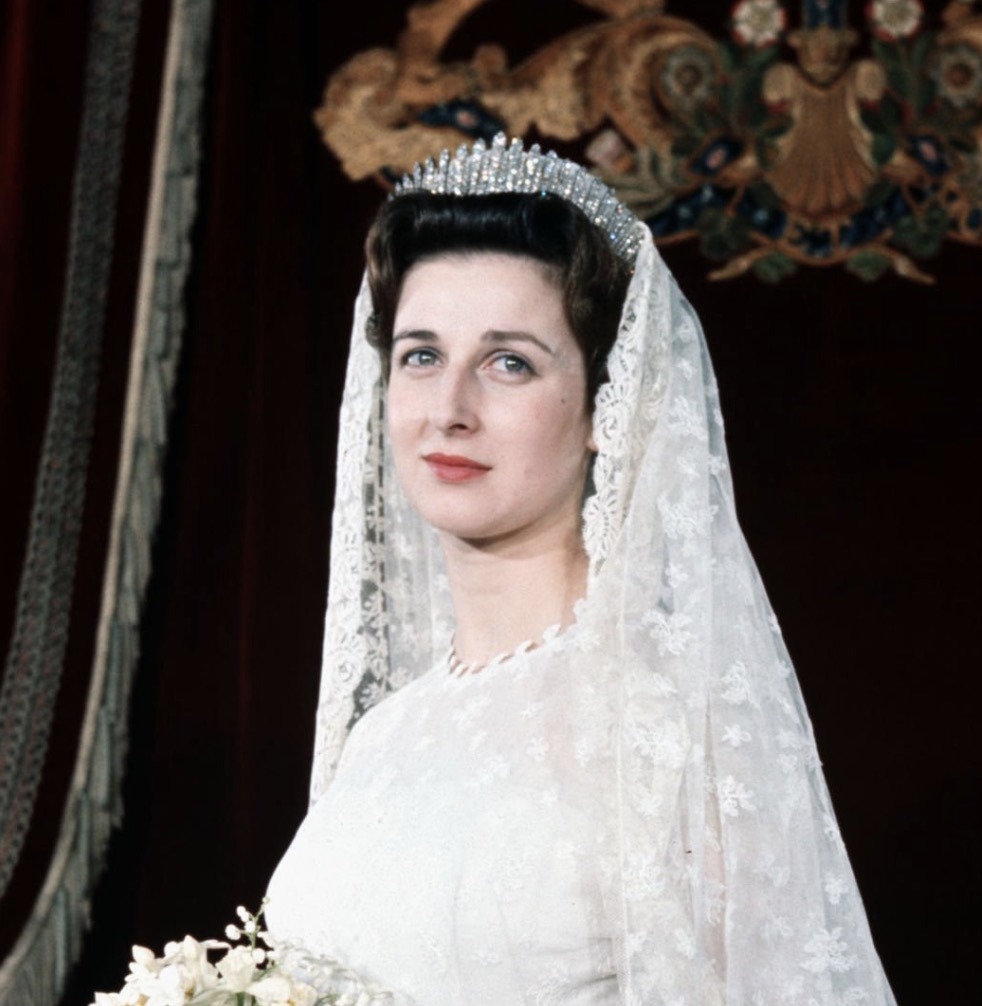
Festoon Tiara
Crochet Bandeau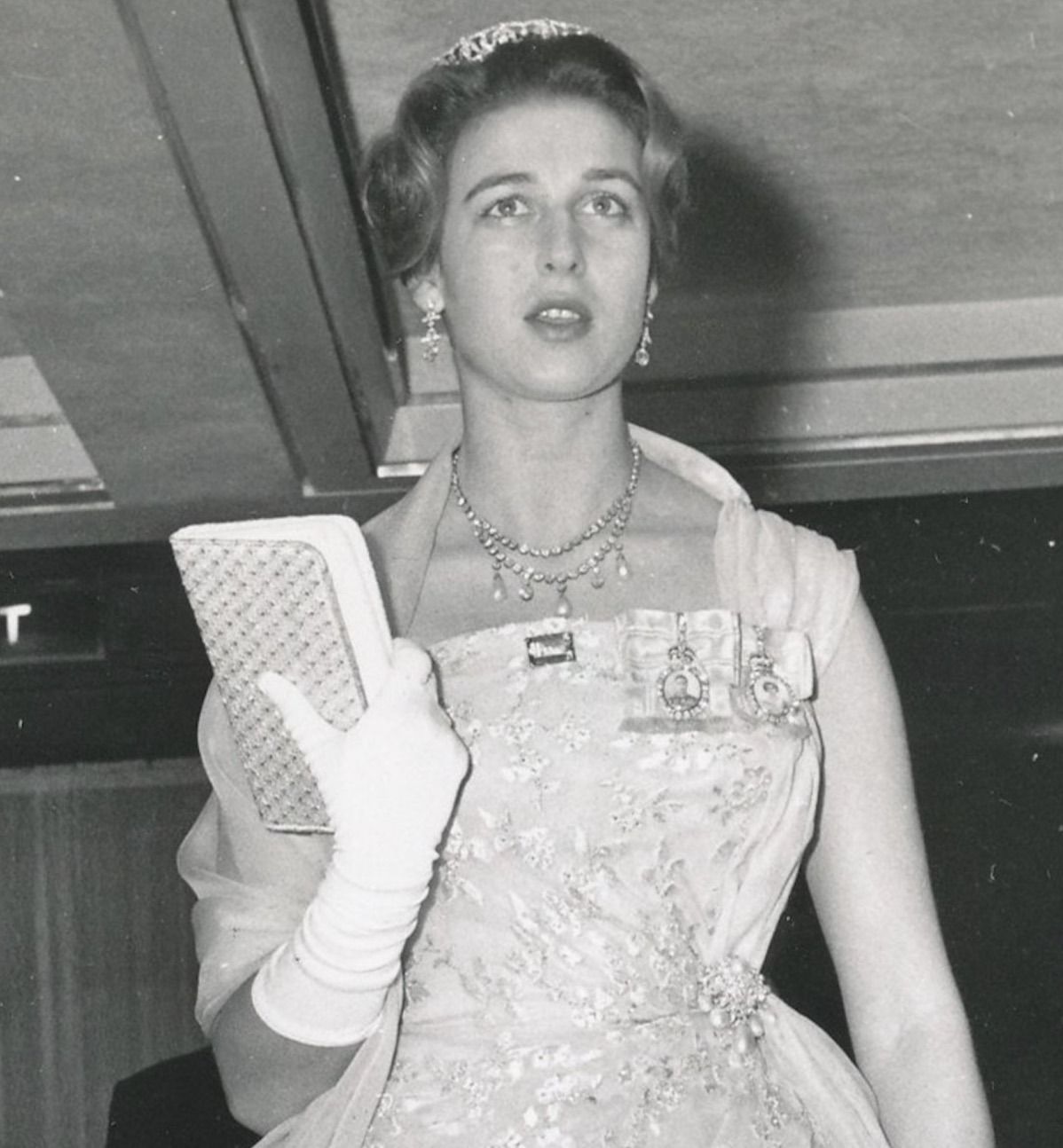
Golden Jubilee Necklace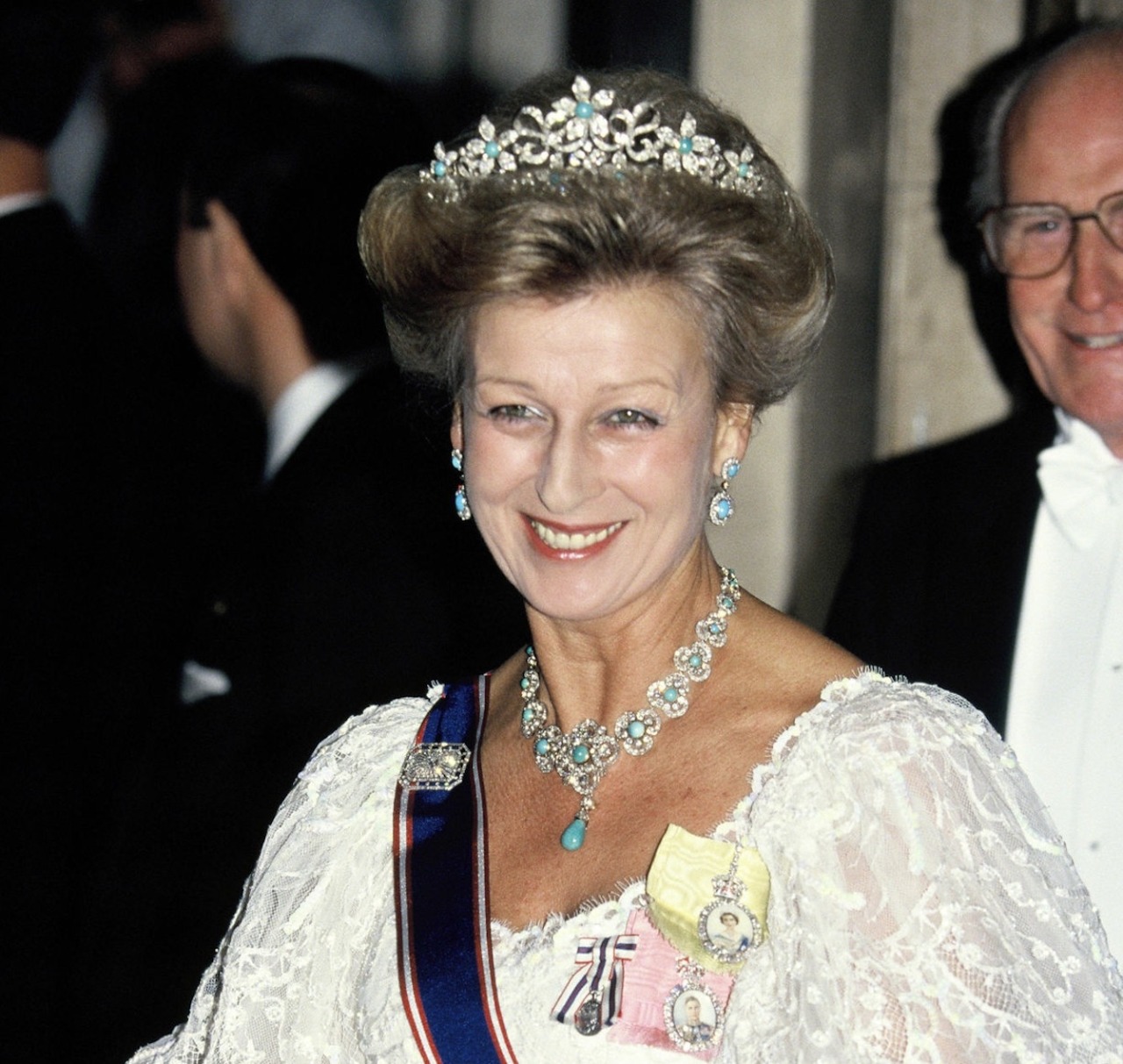
Pearl Corsage Brooch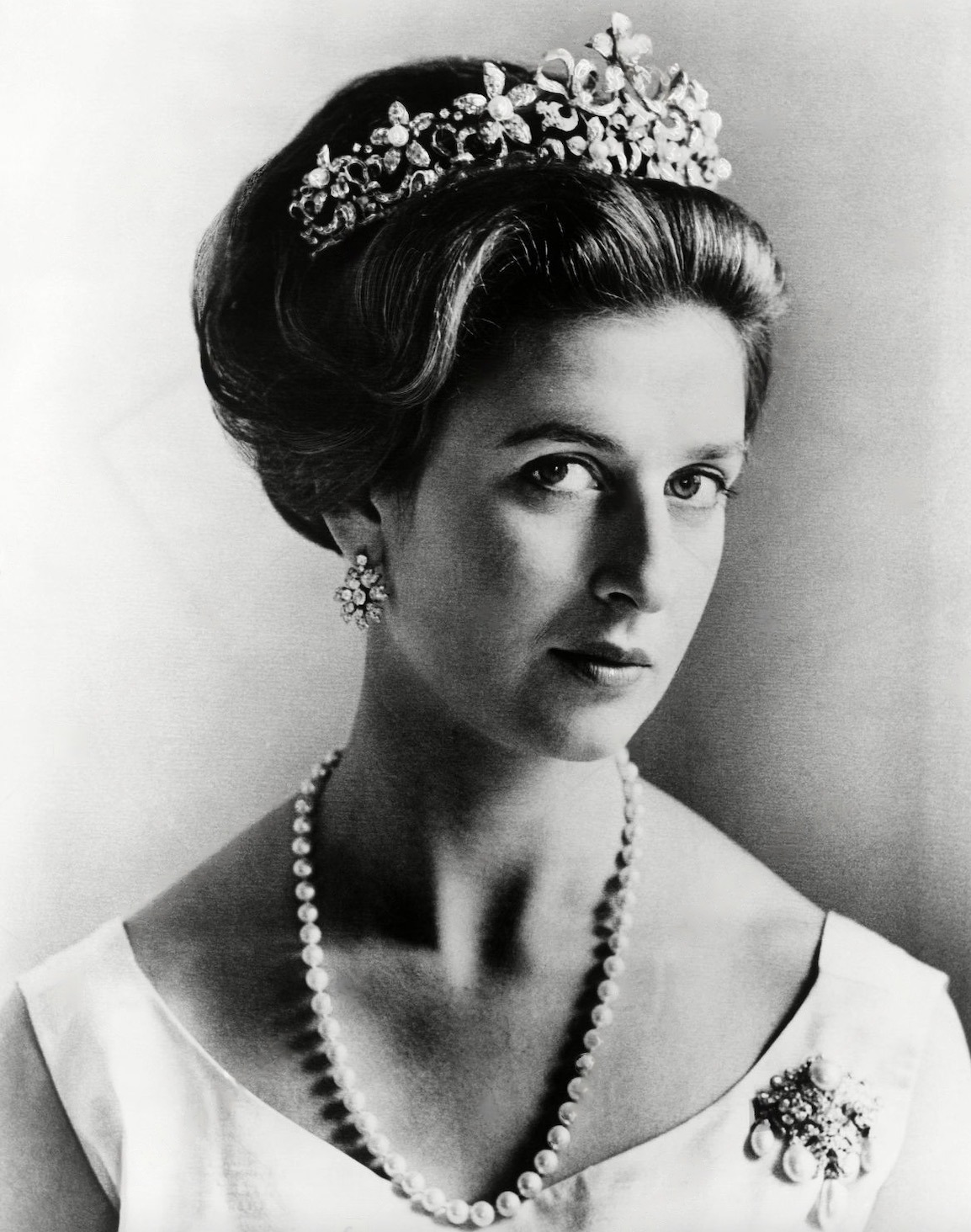
Pearl Earrings
Pearl and Diamond Necklace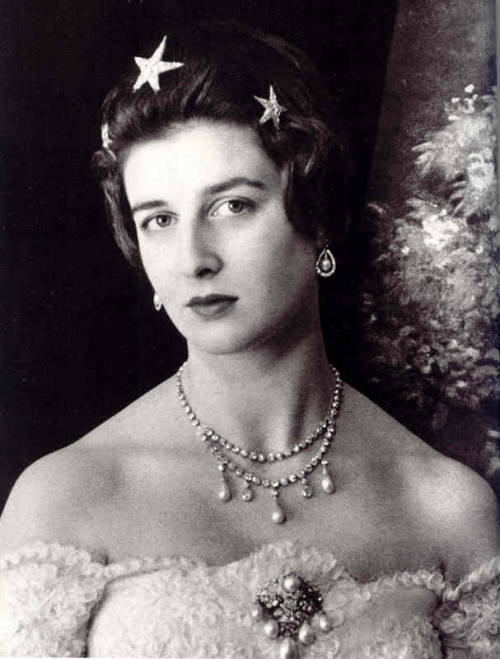
Diamond Choker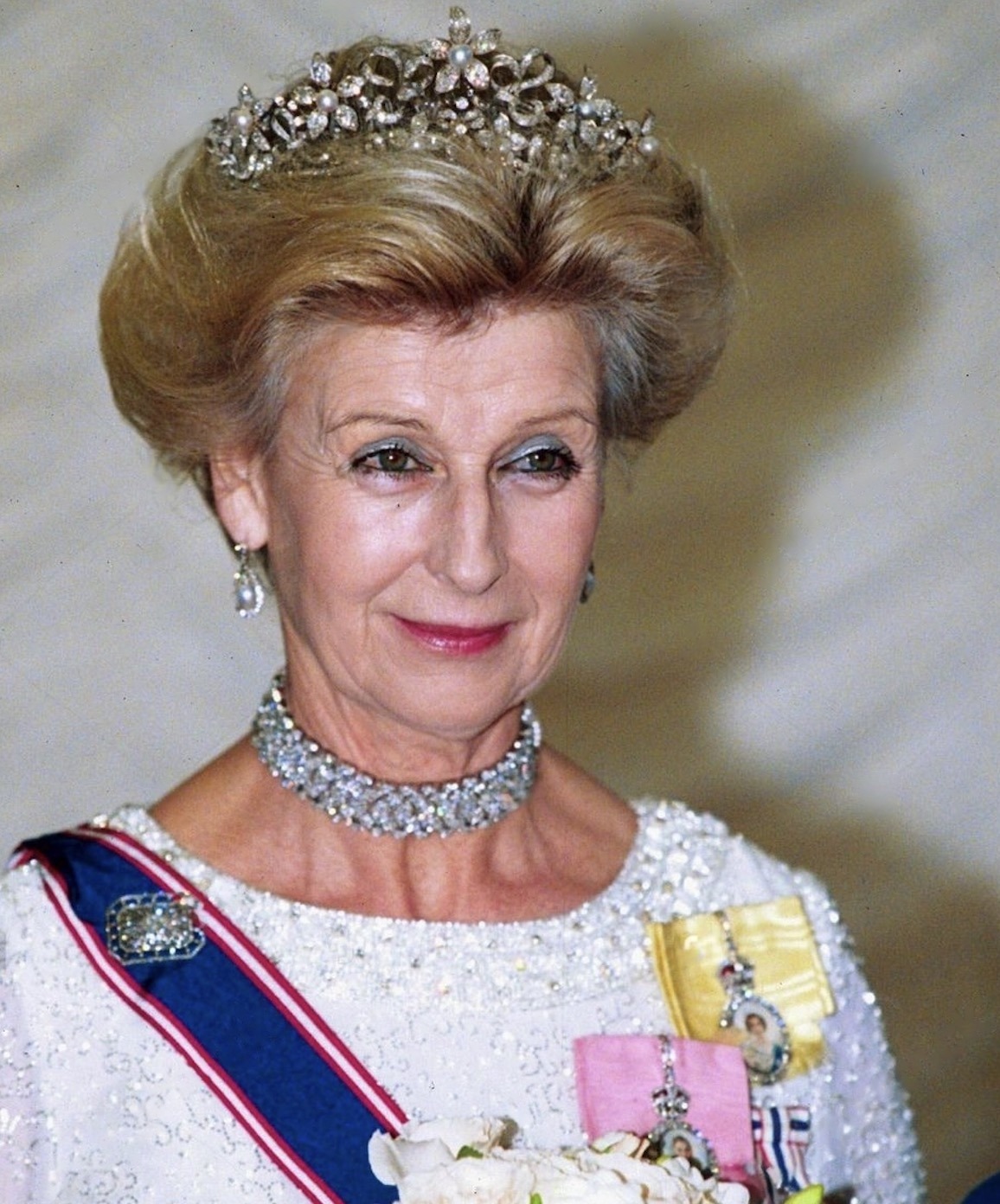
Sapphire Necklace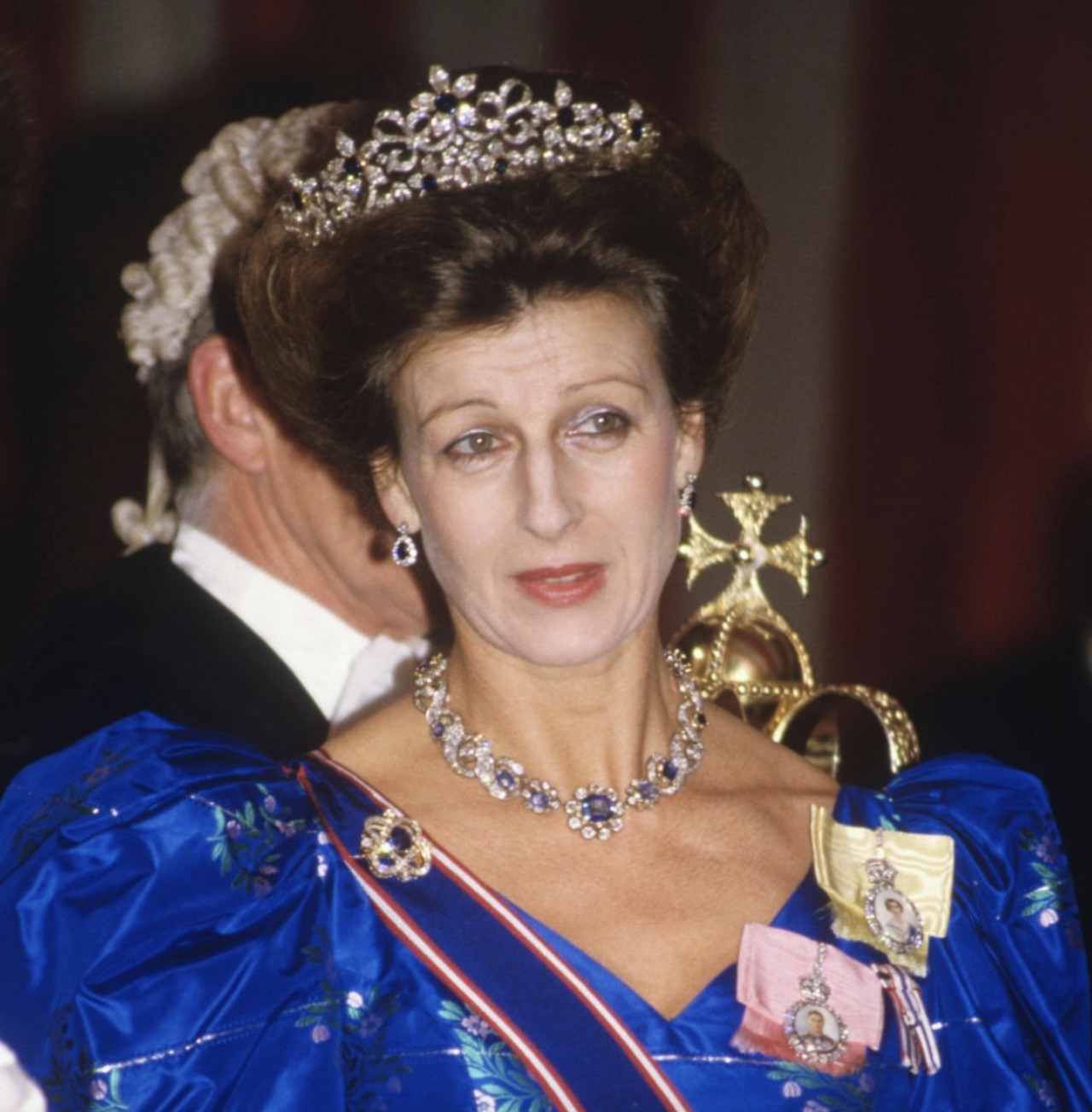
Emerald Brooch/Choker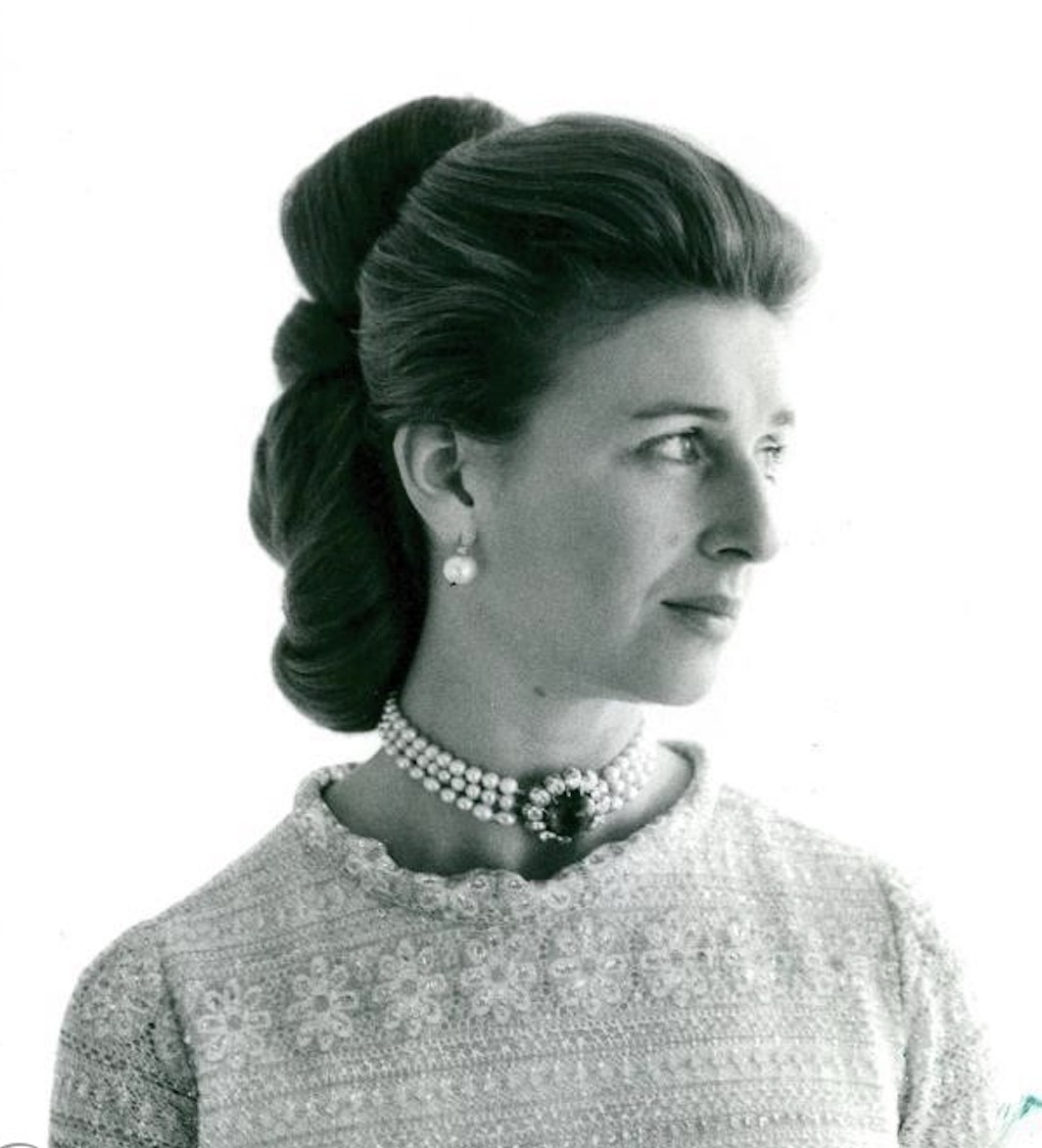
Cambridge Sapphire Parure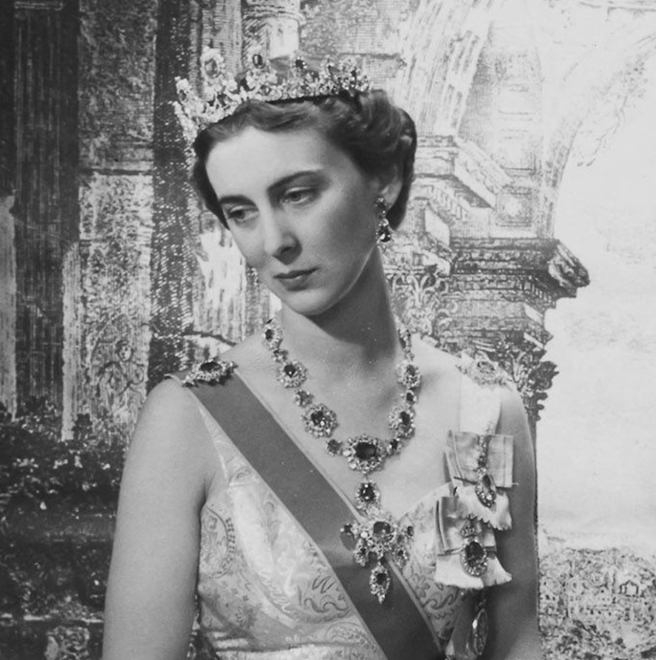
Kent Festoon Tiara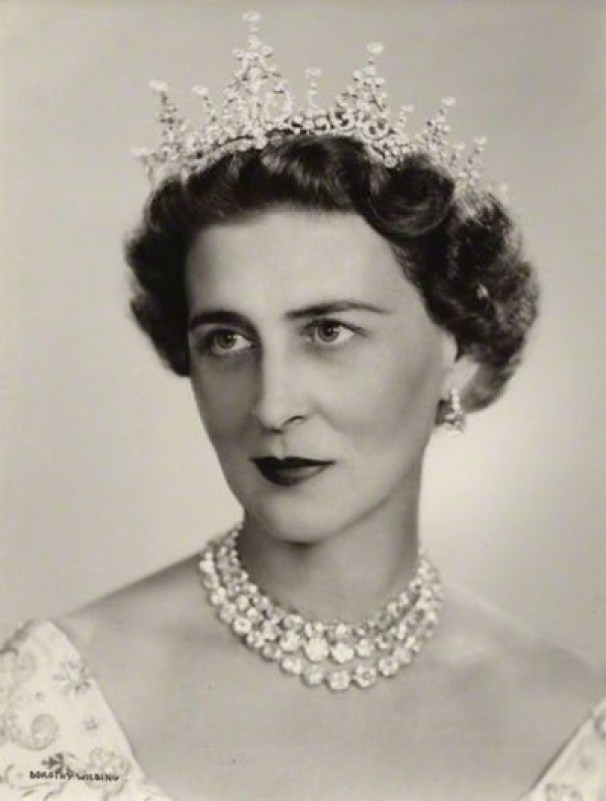
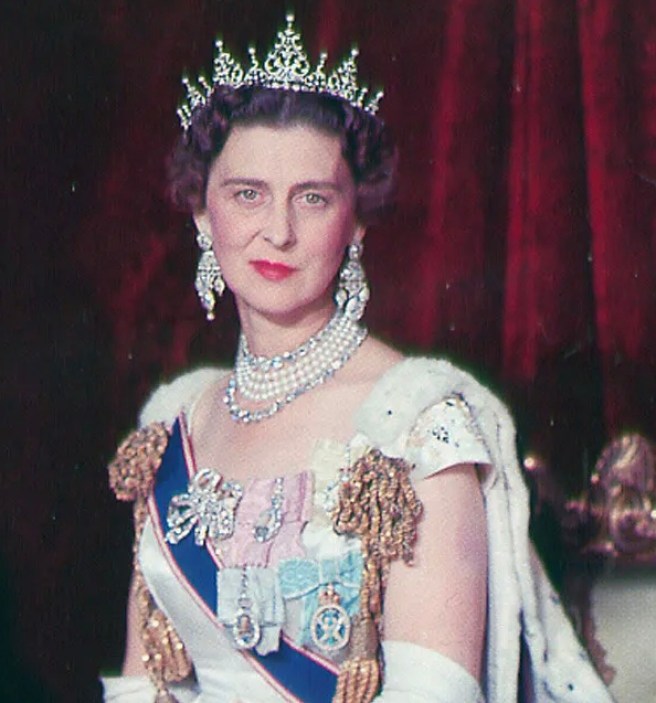
Kent City of London Fringe Tiara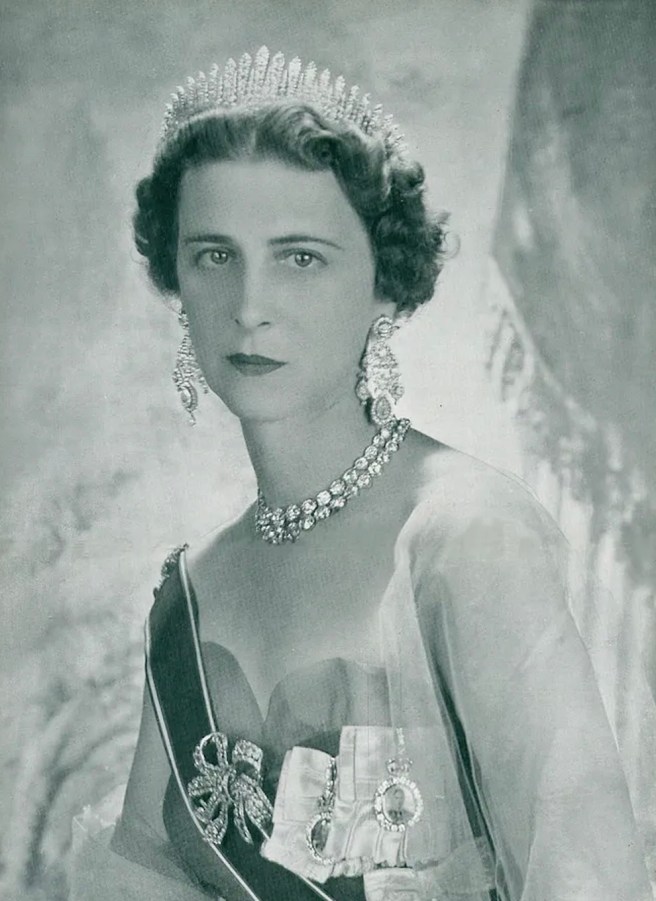
Kent Pearl Bandeau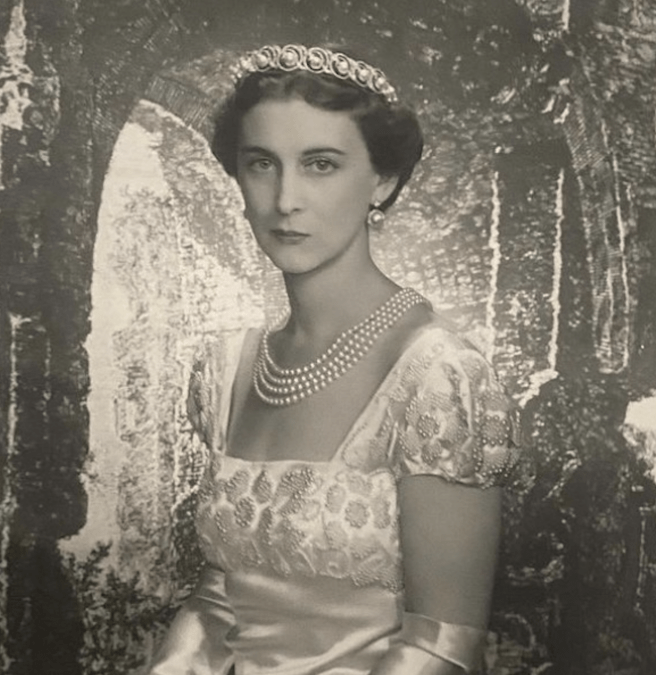
Greek Ruby Parure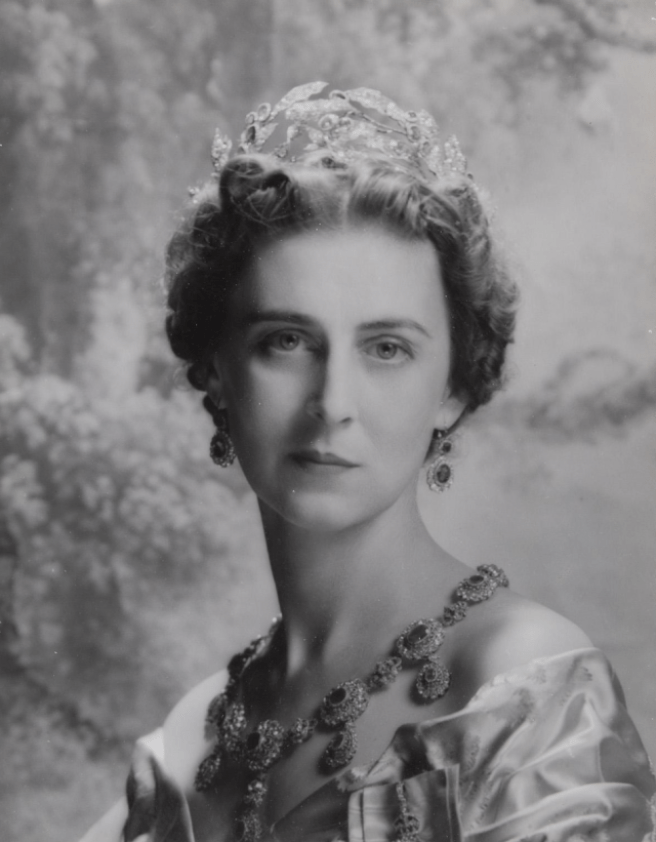
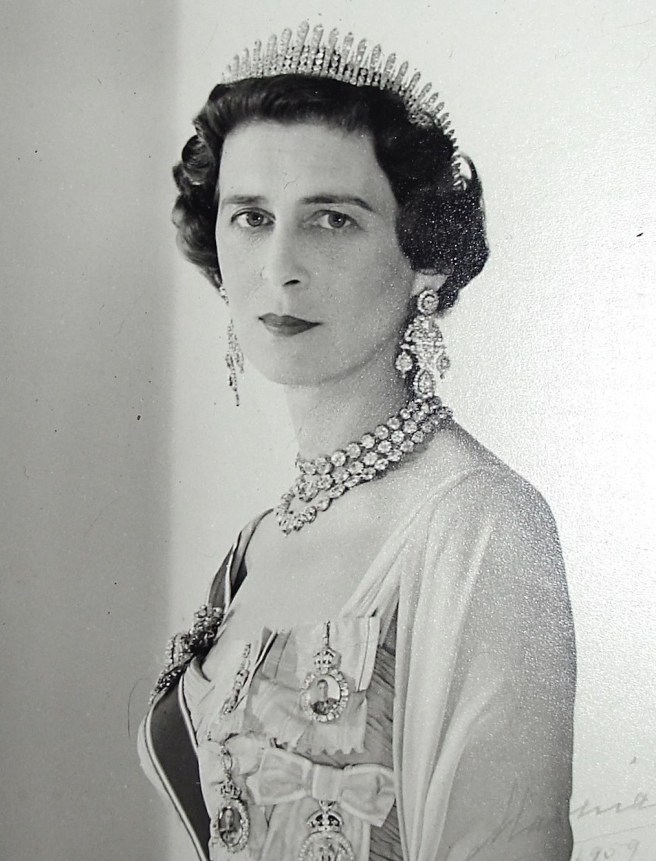
Vladimir Fringe Tiara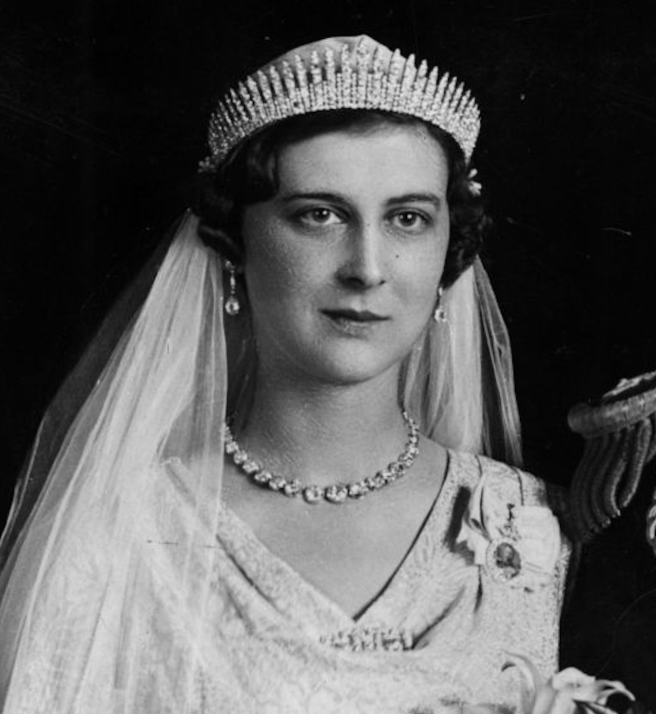
Diamond Bandeau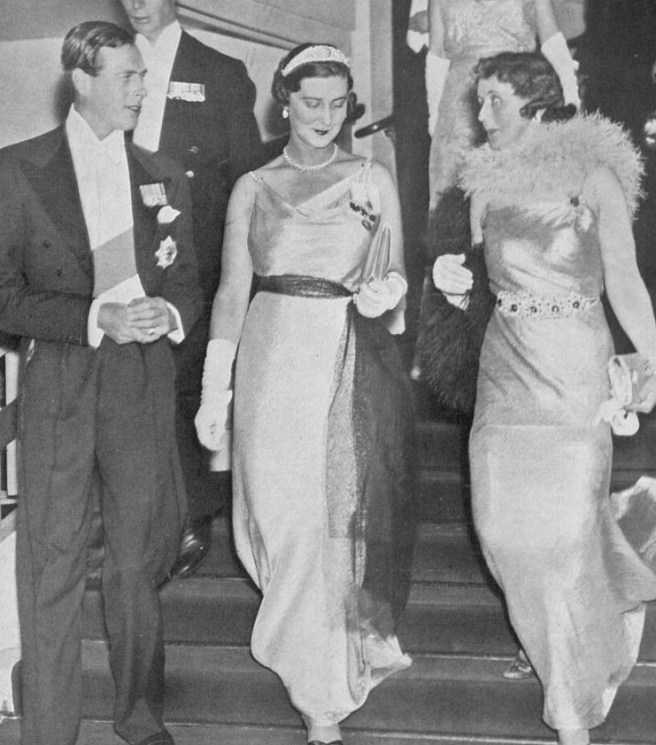
Princess Marina’s Diamond Girandole Earrings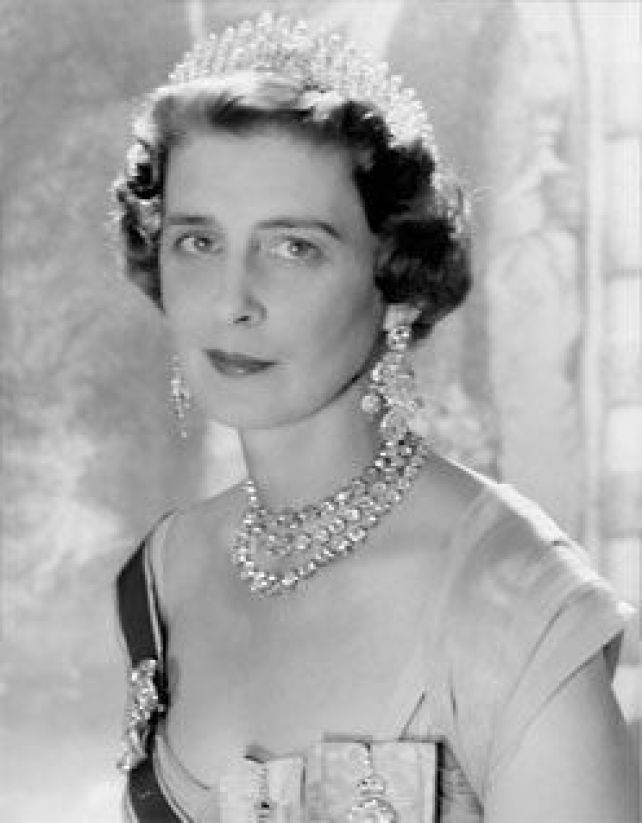
Diamond Circle Earrings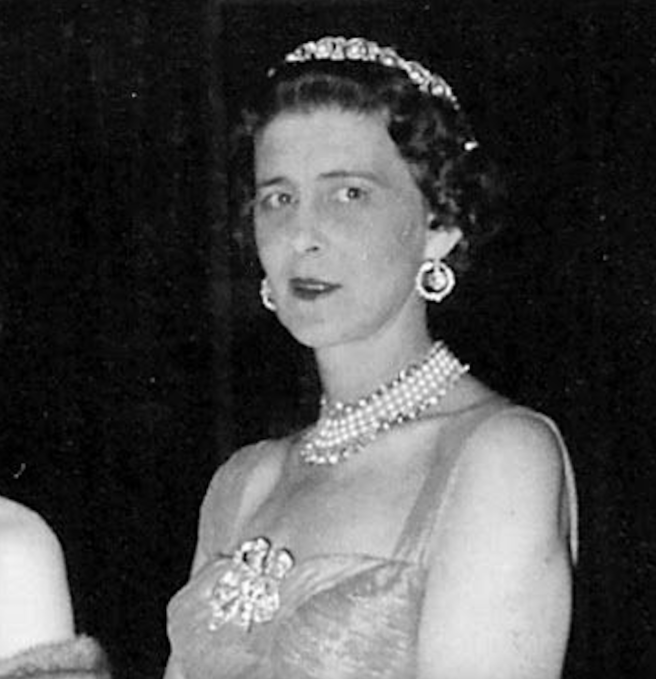
Vladimir Pearl Earrings
Princess Marina’s Diamond Bow Brooch
Princess Louise’s Diamond Daisy Brooches
Empress Maria Feodrovna’s Sapphire Brooch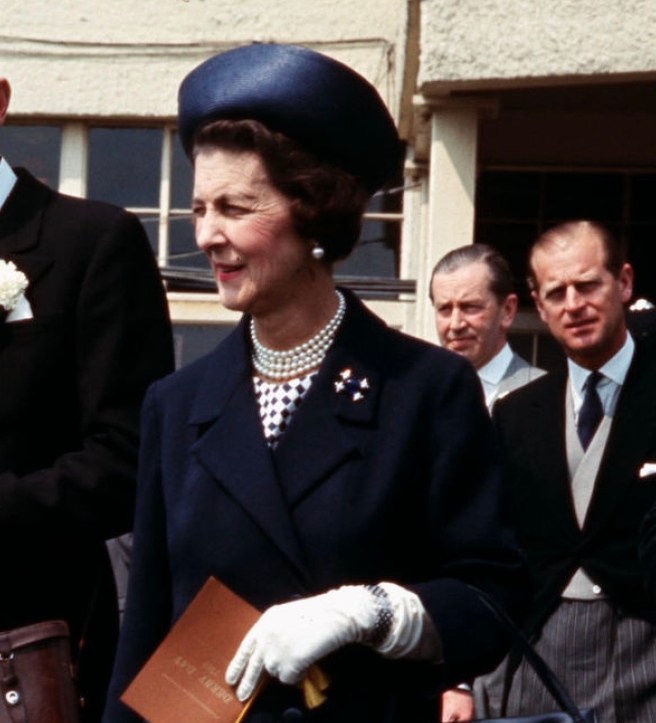
Duchess of Kent’s Art Deco Brooch



Follow