Wednesday, 03 December, 2025
London, UK
Wednesday, December 3, 2025 12:48 AM
broken clouds 6.4°C
Condition: Broken clouds
Humidity: 92%
Wind Speed: 7.4 km/h

Princess Victoria’s Cartier Tiara

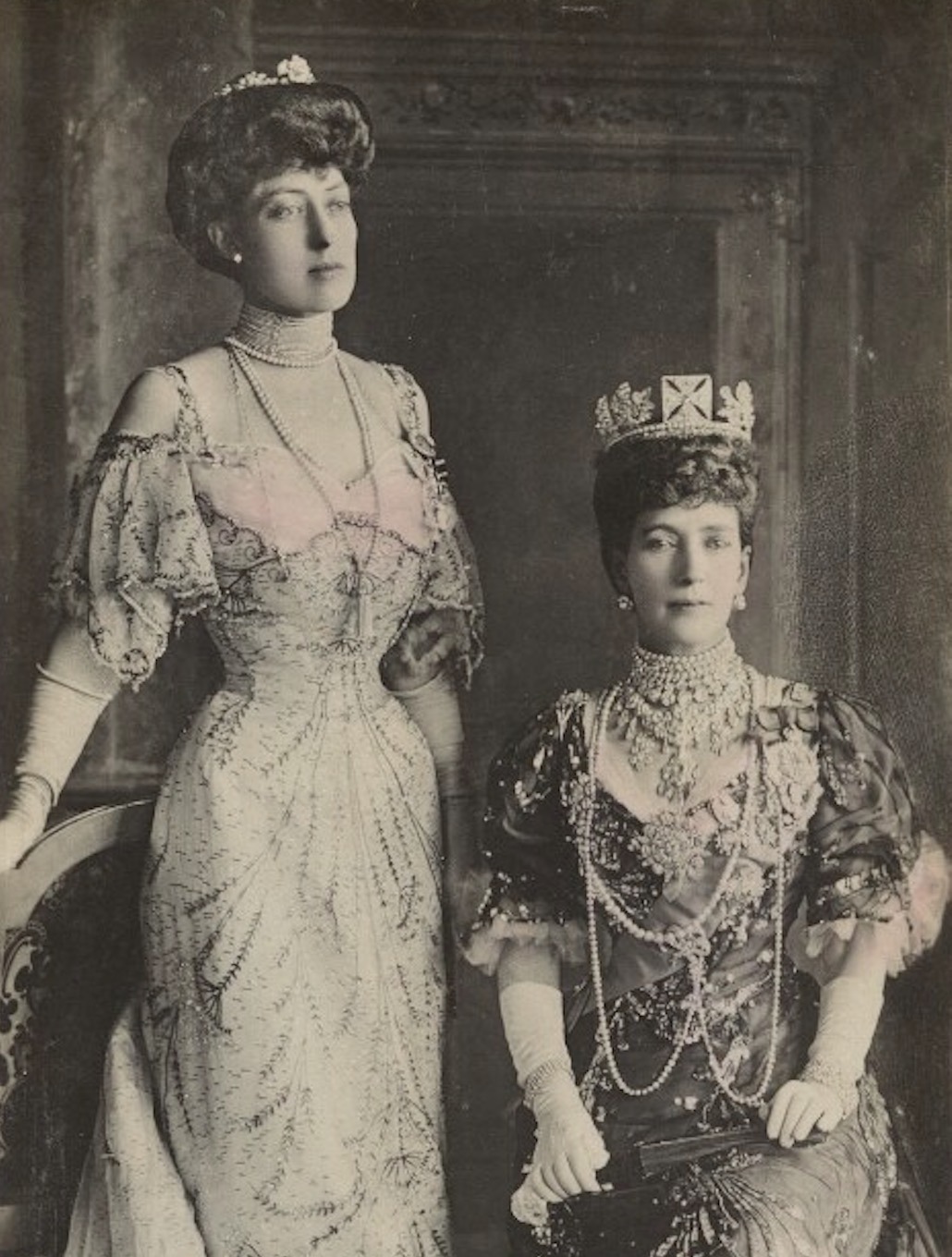
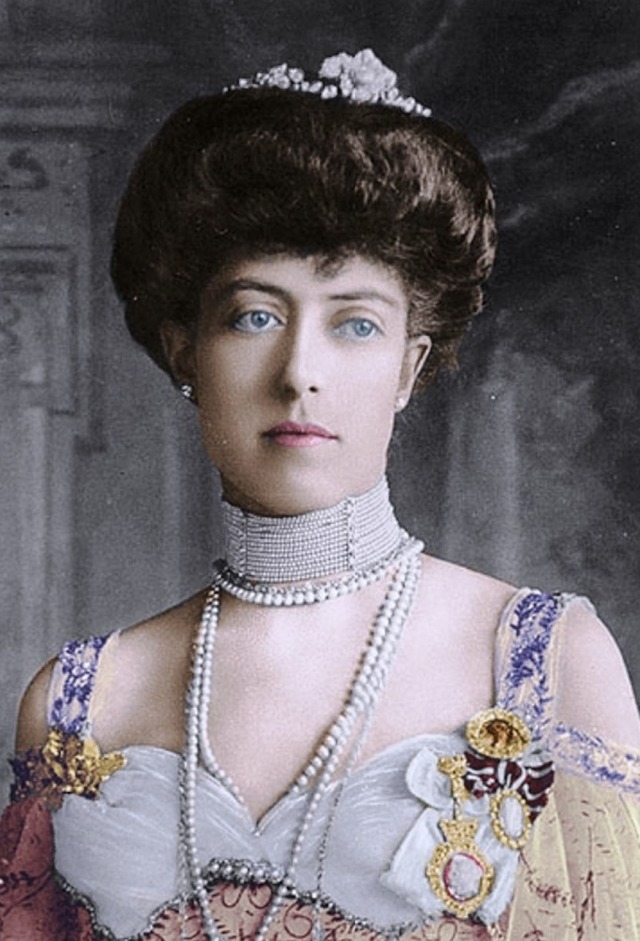
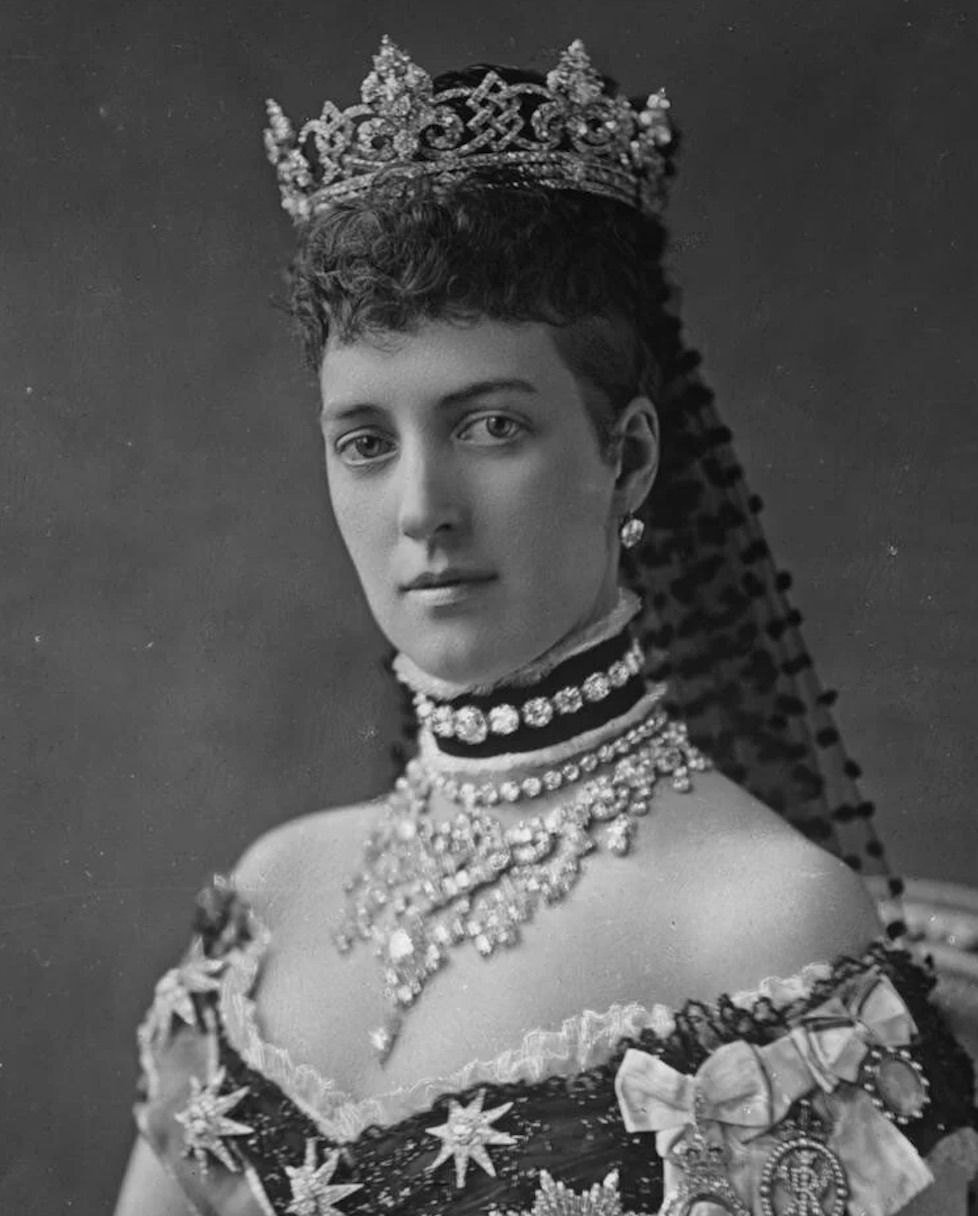
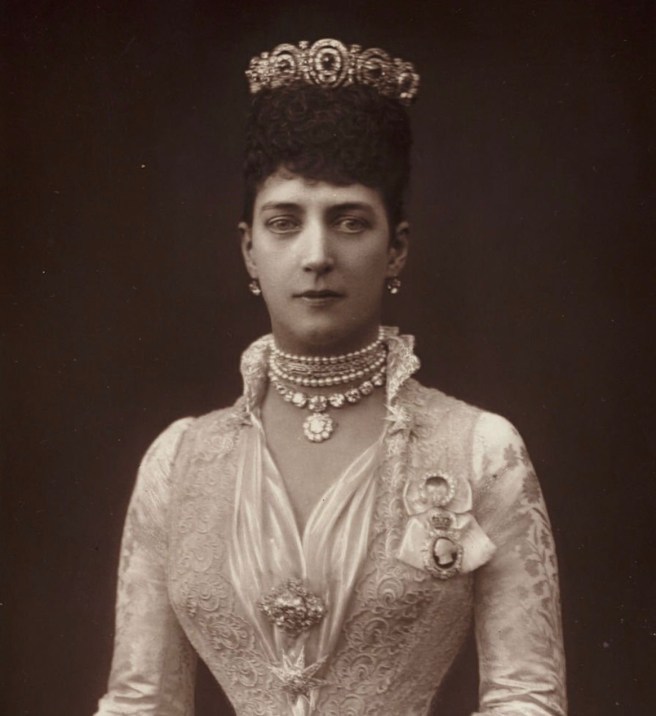
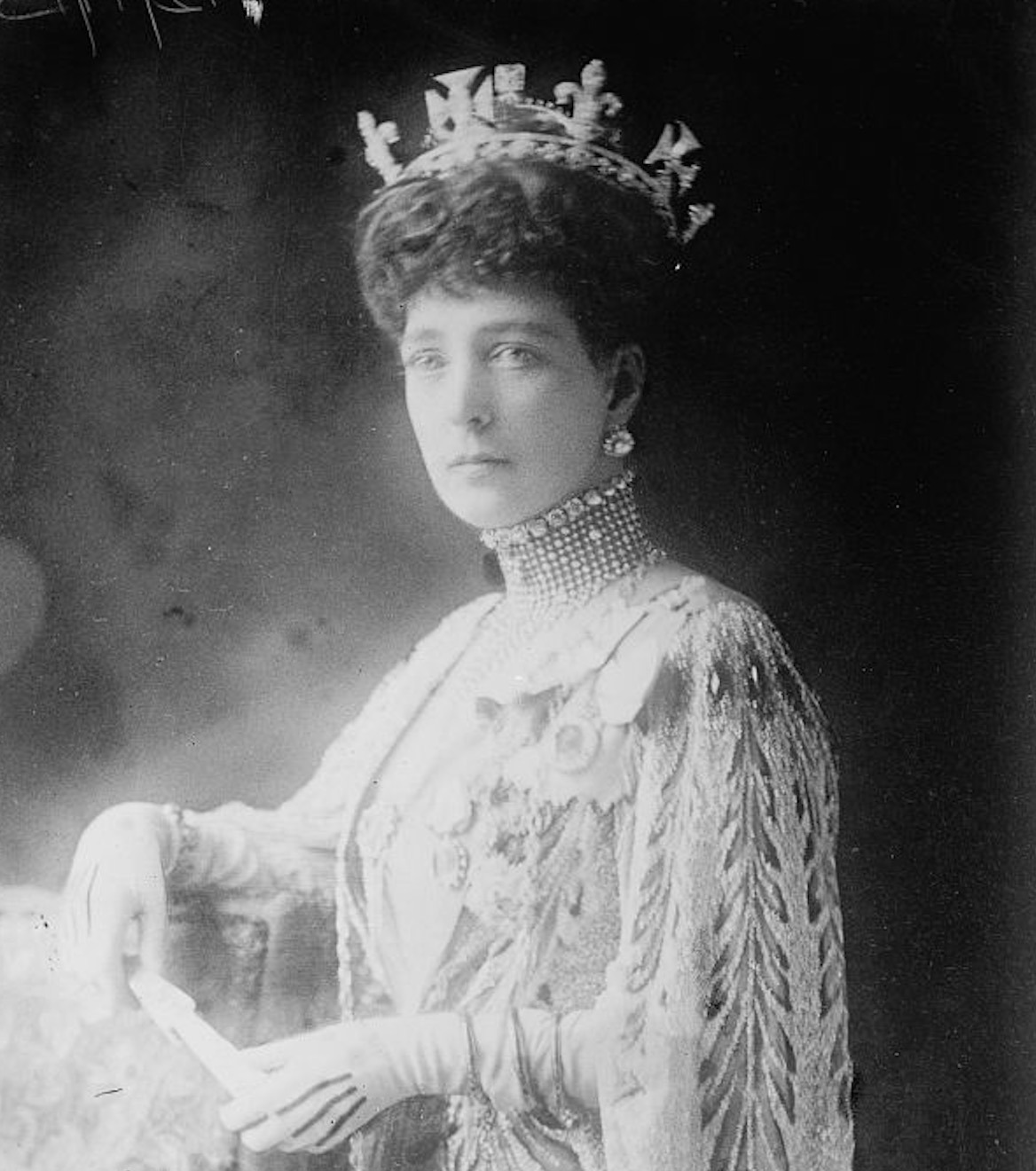
Today marks the 90th Anniversary of the Death of Princess Victoria of the United Kingdom, who died on this day in 1935! The daughter of King Edward VII and Queen Alexandra, and the sister of King George V and Queen Maud of Norway, who never married and remained the lifelong companion of her mother, Princess Victoria herself acquired this Cartier Diamond Tiara!

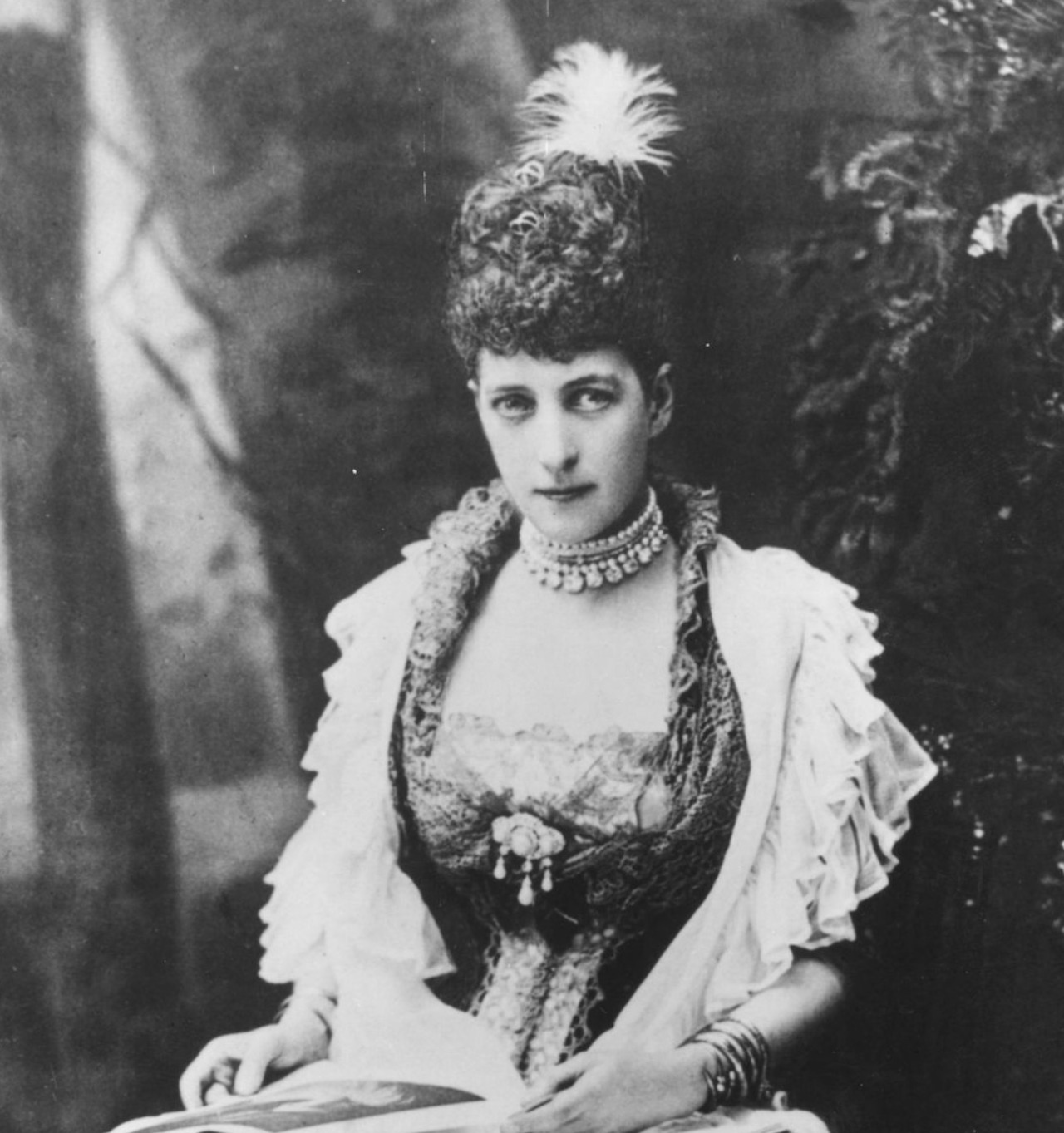
While her sisters received Tiaras as Wedding Gifts, Princess Victoria, who never married, acquired this Cartier Diamond Tiara around the time of the Coronation of her parents, King Edward VII and Queen Alexandra, in 1902. Never directly pictured, the Tiara could be this delicate diamond floral spray, often nestled in her massive hairdo, which she was most frequently pictured wearing.
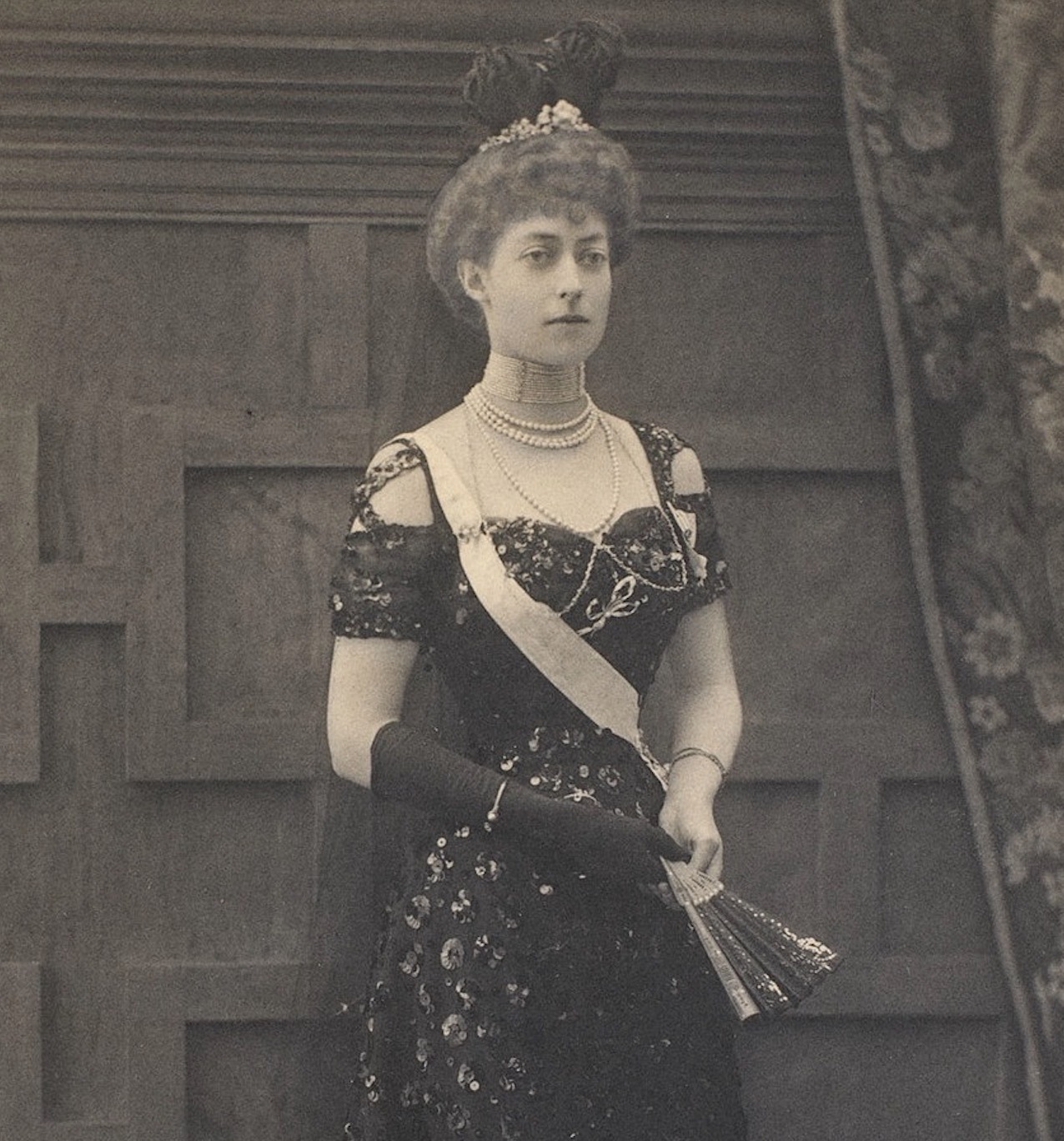
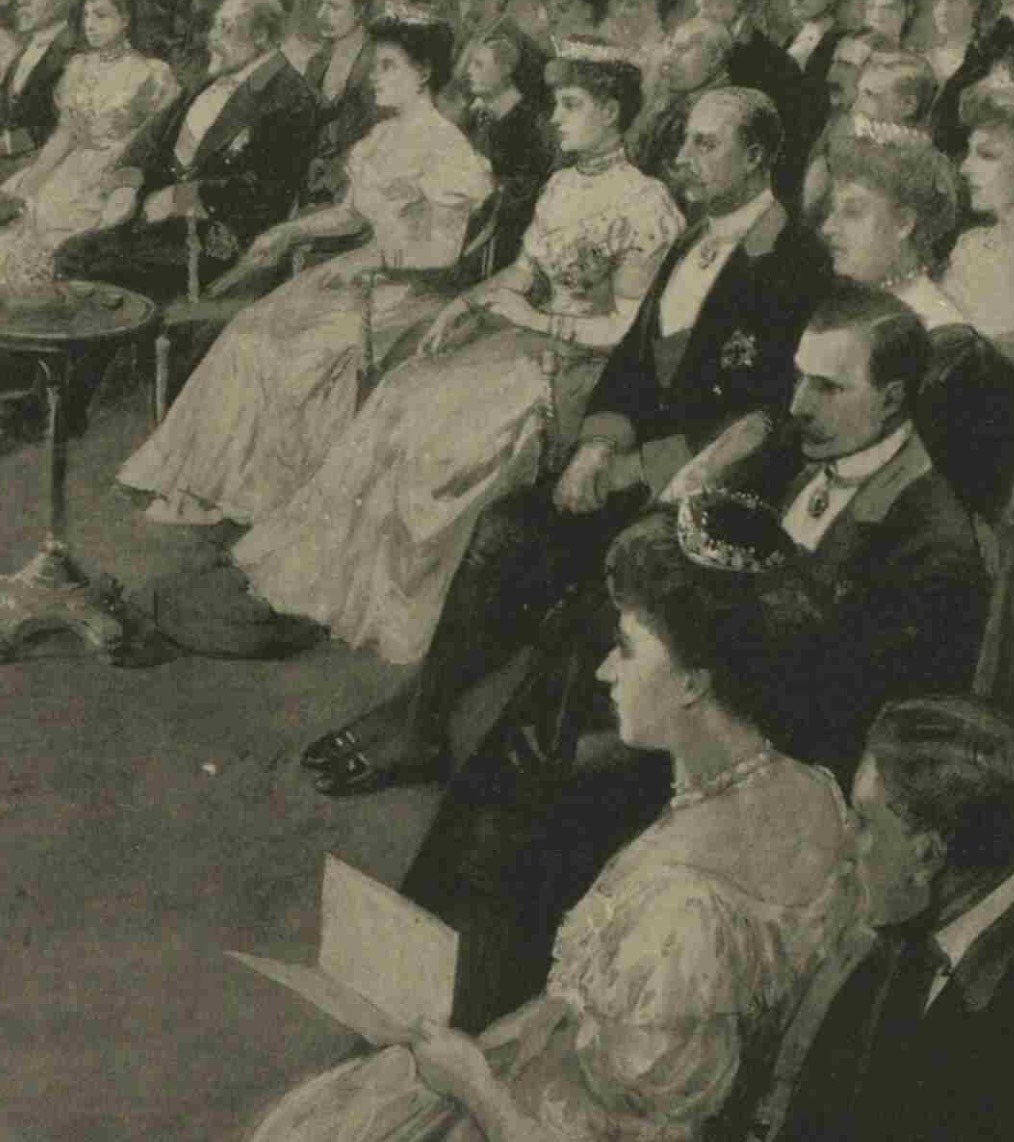
The first appearance of the Tiara was even earlier than the Coronation Festivities, being worn at the State Opening of Parliament in 1902.
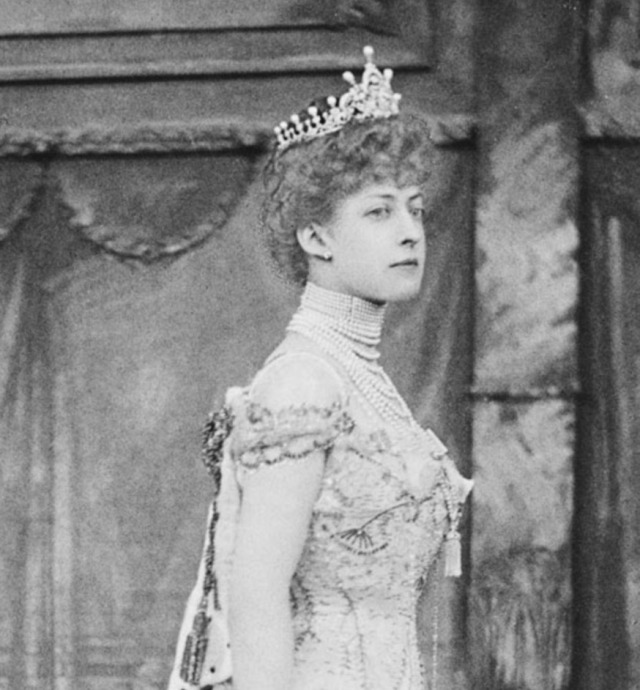
However, for the Coronation Ceremony itself, Princess Victoria wore the Pearl and Diamond Tiara of her sister, Princess Maud.
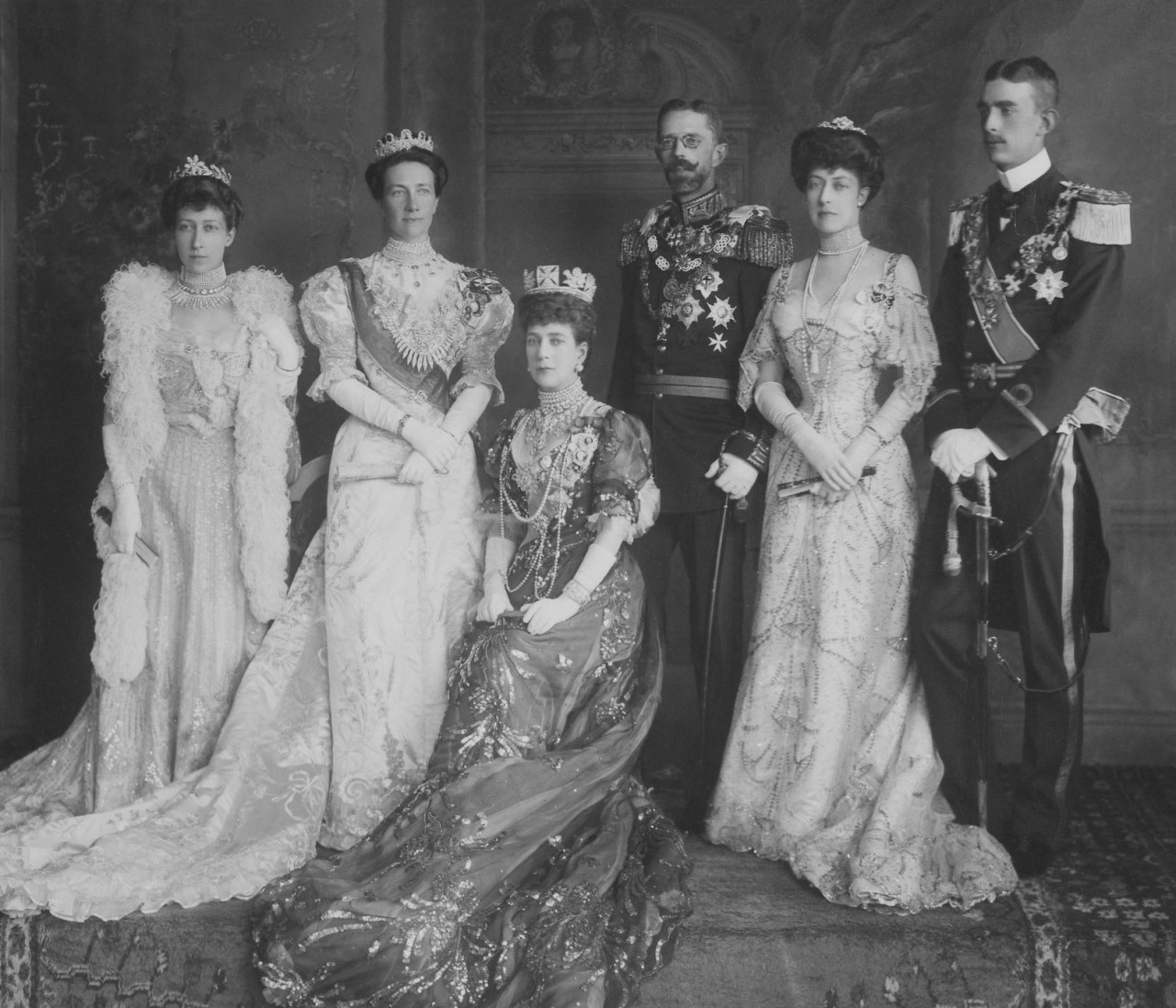
In 1905, Princess Victoria was pictured in the Cartier Diamond Tiara at the Wedding of her cousin, Princess Margaret of Connaught, and Prince Gustaf Adolf of Sweden at Windsor Castle.
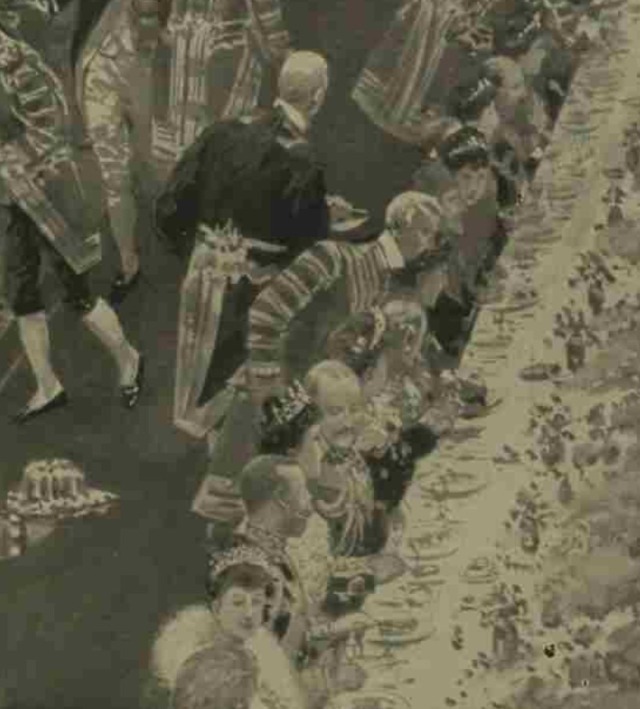
While Princess Victoria accompanied her parents for many State Occasions, there were few pictures taken in those days and thus we do not have many picture of her wearing the Tiara. A few months later, Princess Victoria wore a Diamond Tiara at a Gala Performance held from the Greek Royal Family in the Waterloo Chamber of Windsor Castle.
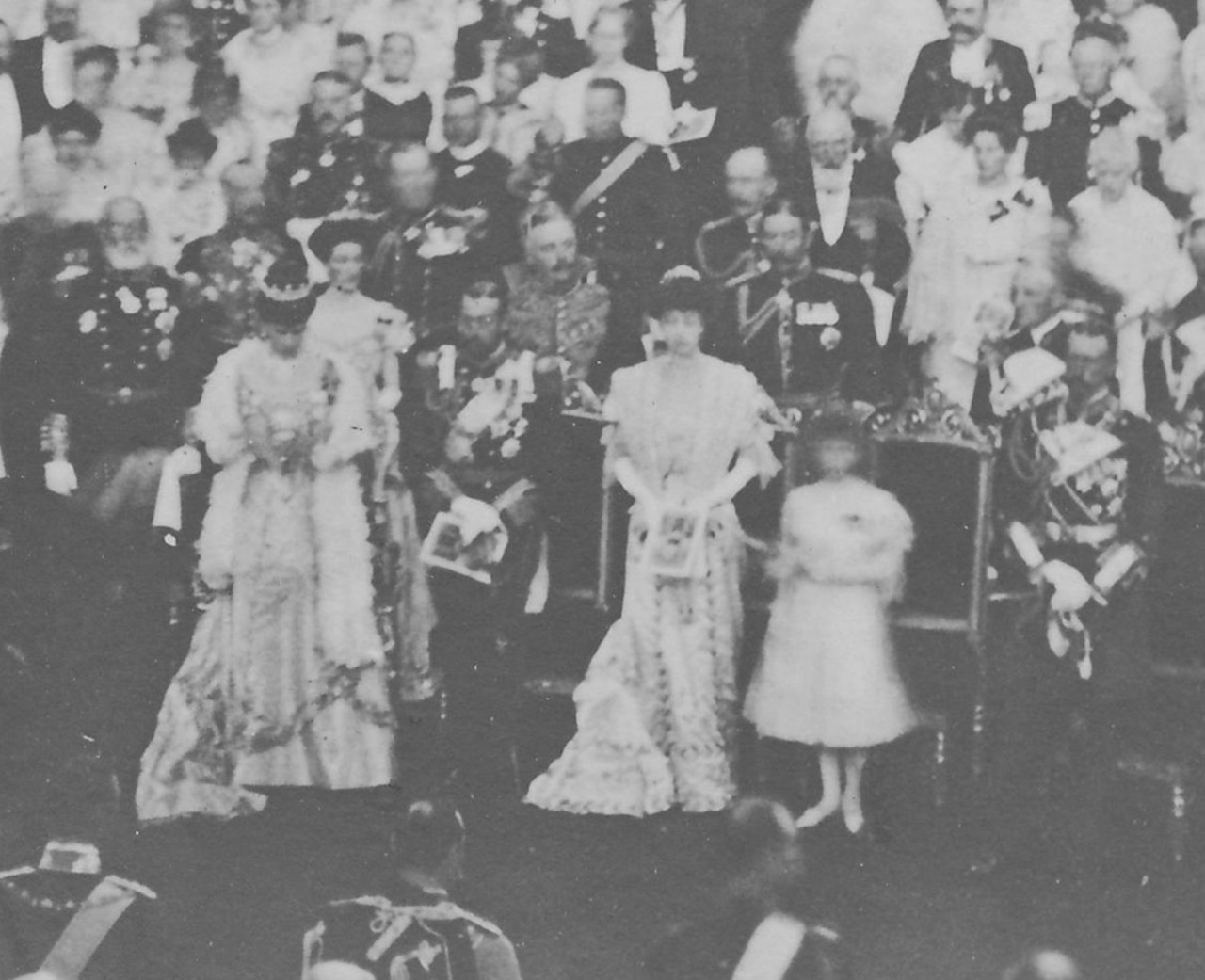
The Cartier Diamond Tiara was also worn by Princess Victoria at the Coronation of her brother-in-law King Haakon VII, and sister, Queen Maud, of Norway, in Trondheim in 1906.
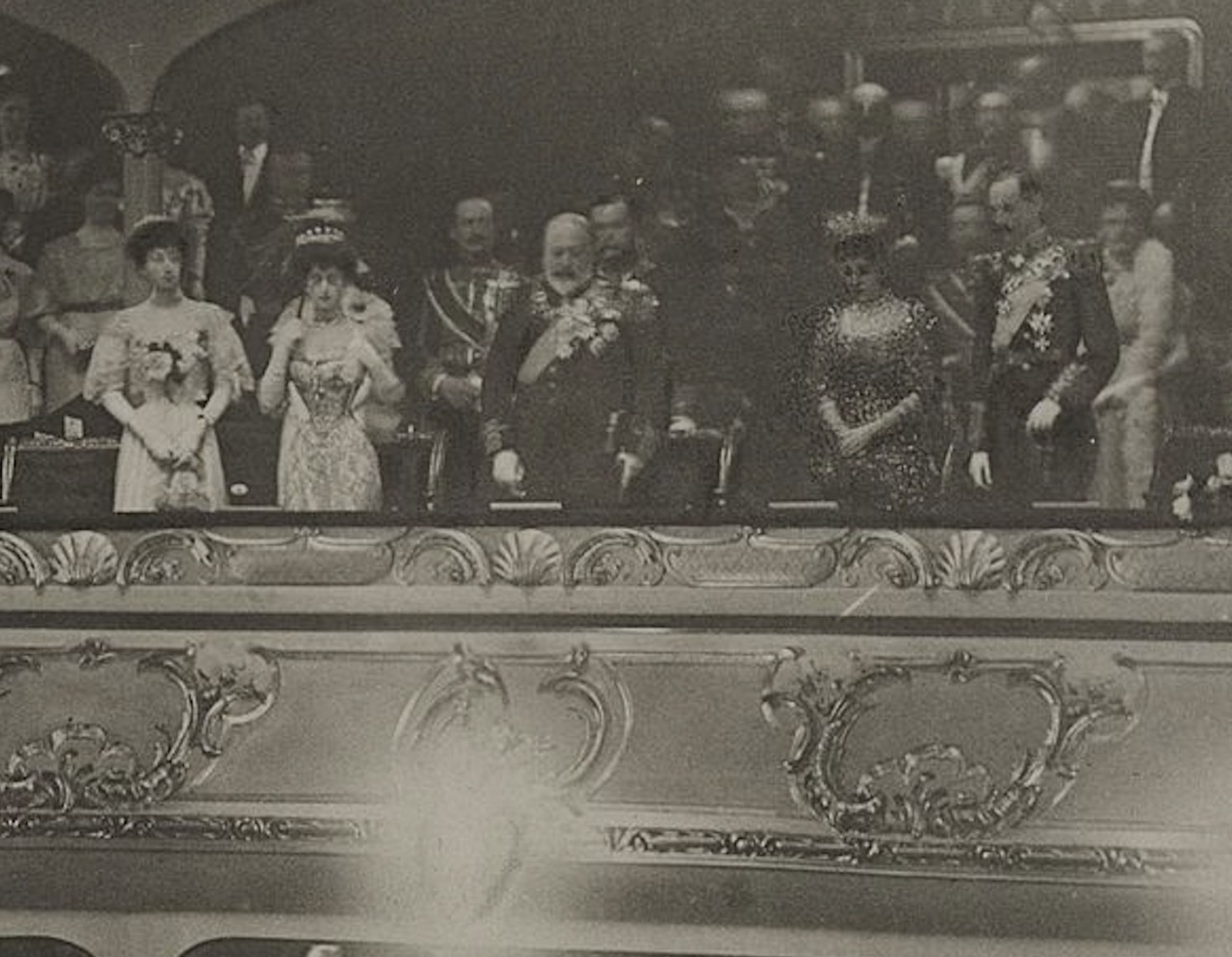
It appears Princess Victoria also wore the Cartier Diamond Tiara at a Gala Performance during the British State Visit to Norway in 1908.
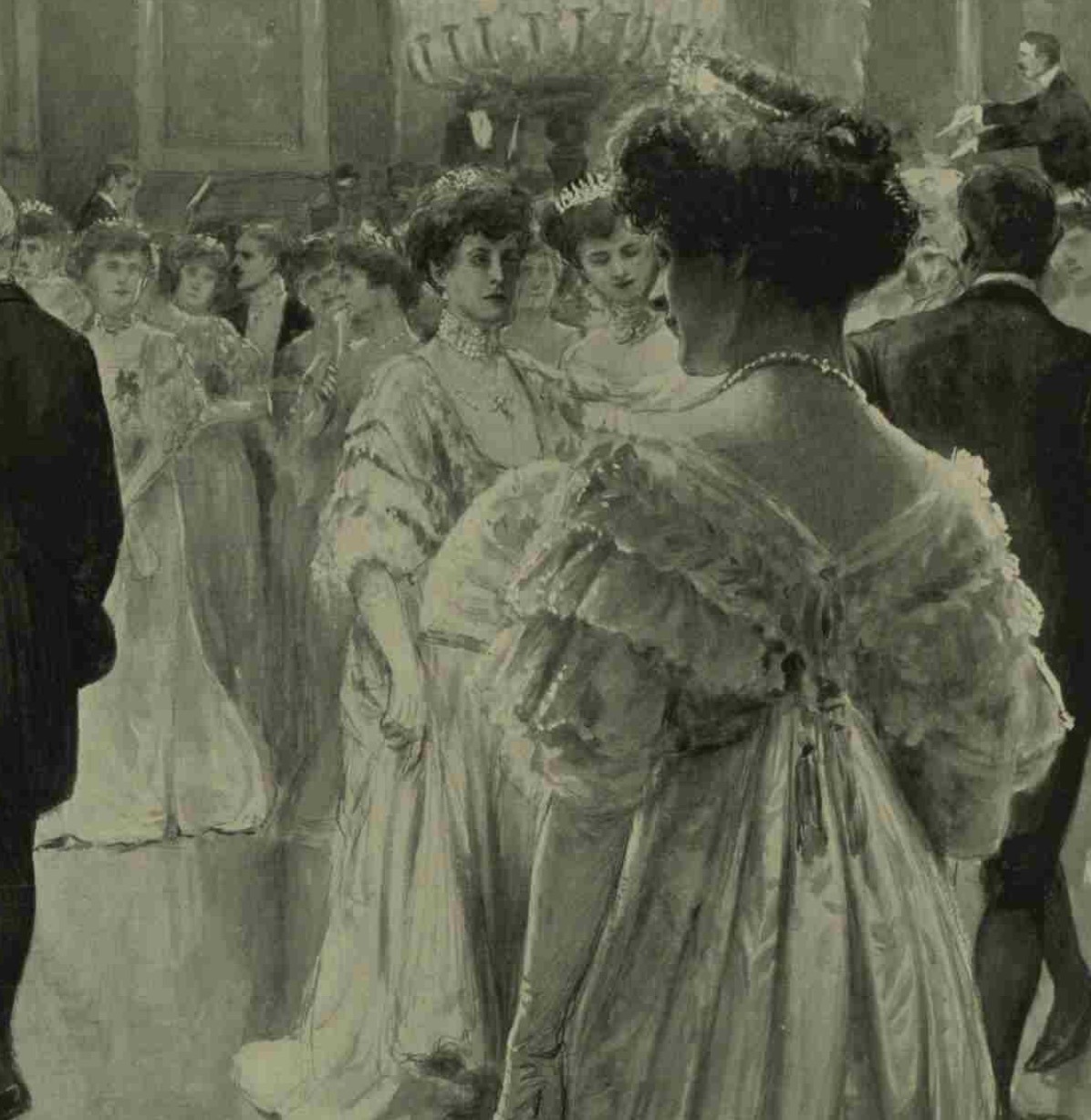
Princess Victoria also seems to have worn the Cartier Diamond Tiara for a Ball hosted by the Duchess of Wellington at Apsley House in London doing the Season of 1908.
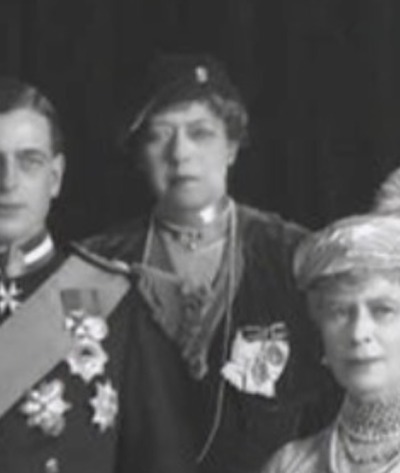
Princess Victoria was not pictured at Gala Events after King Edward VII’s death in 1910, and after Queen Alexandra’s death, she also inherited her Wedding Tiara, which was ‘disposed of’ and that might also be the fate of her Cartier Tiara.
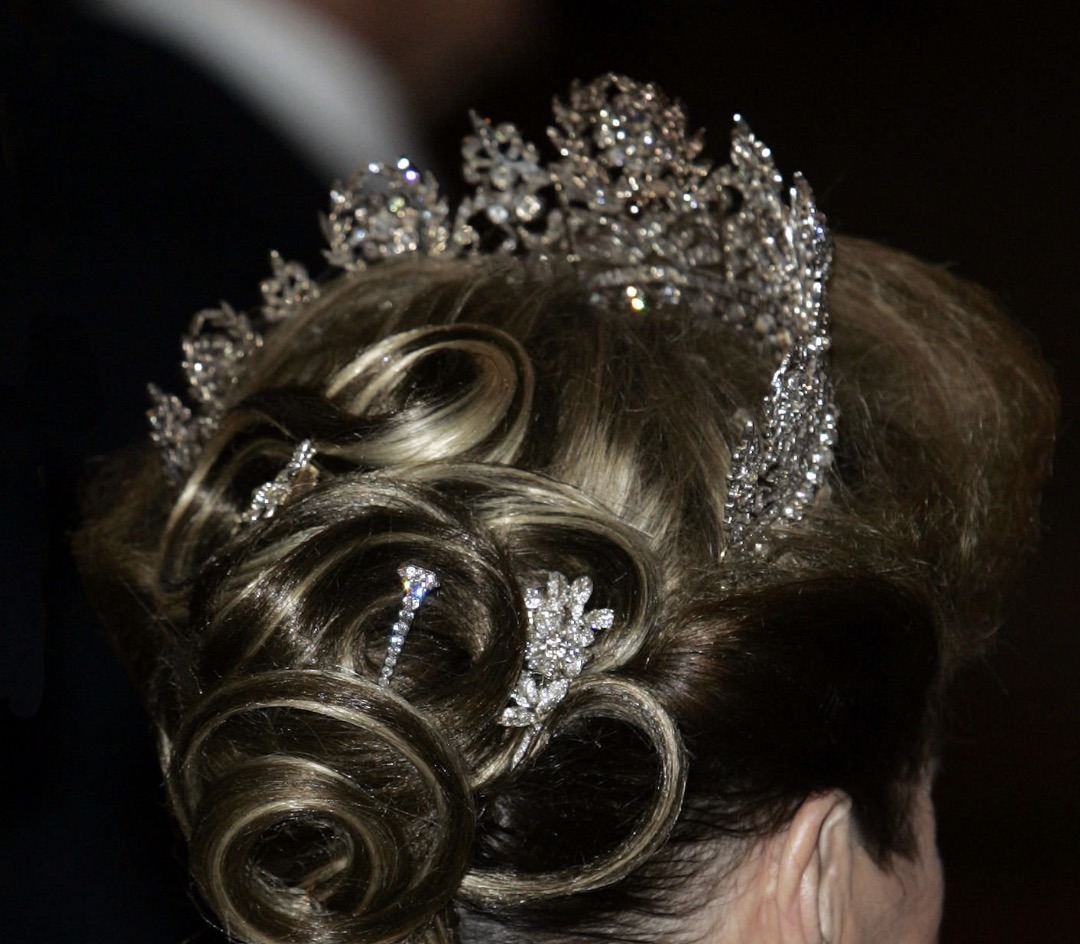
After her death, Princess Victoria’s country house, Coppins, was inherited by her nephew, the Duke of Kent, while the rest of her estate was divided between her nephew, King Olav V of Norway, and niecePrincess Maud, Countess of Southesk. Queen Sonja of Norway wears a few floral brooches which could be elements of Princess Victoria’s Tiara, but ultimately the fate of the Cartier Tiara remains a mystery.
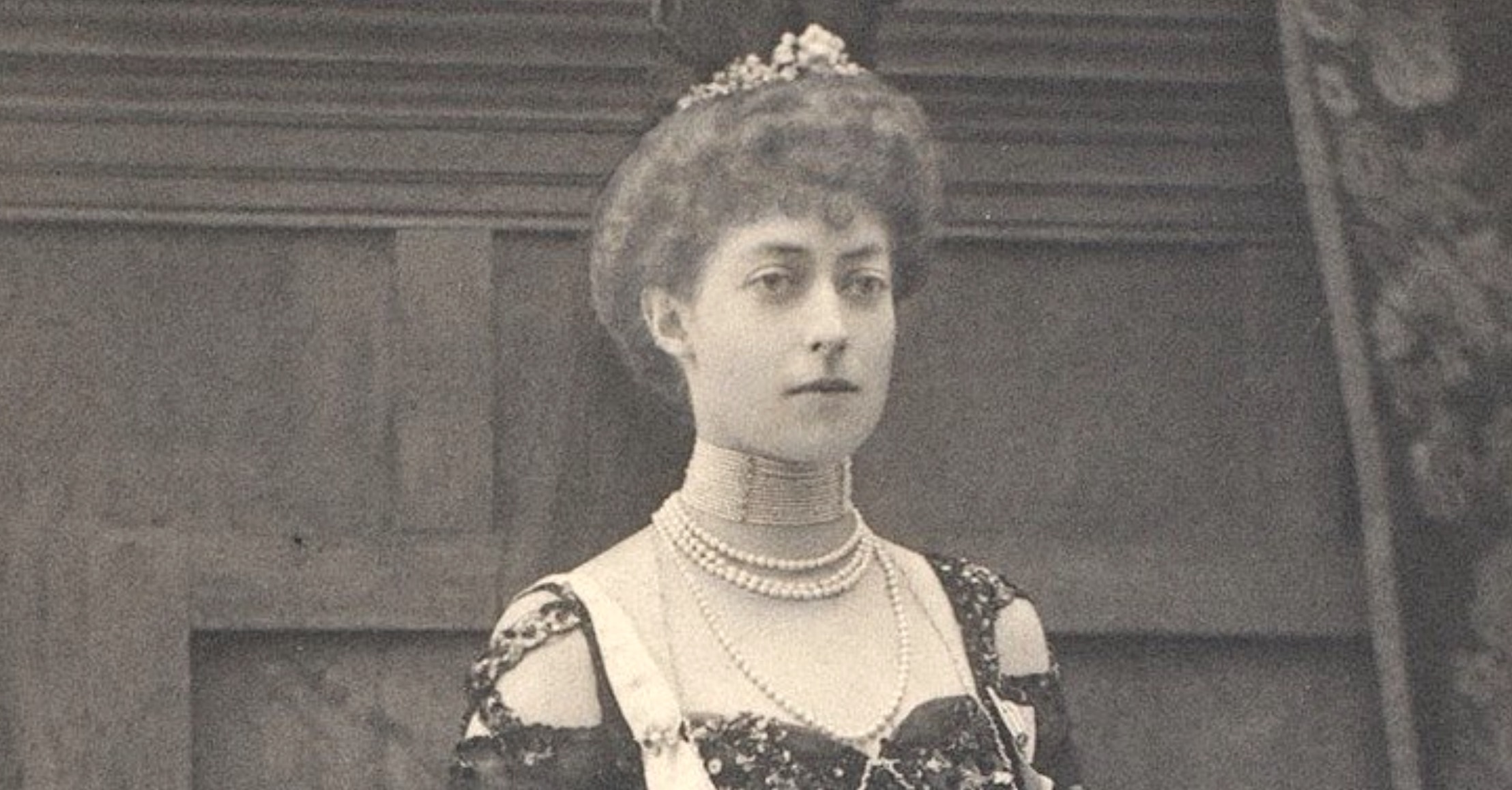
 

Princess Victoria’s Cartier Tiara
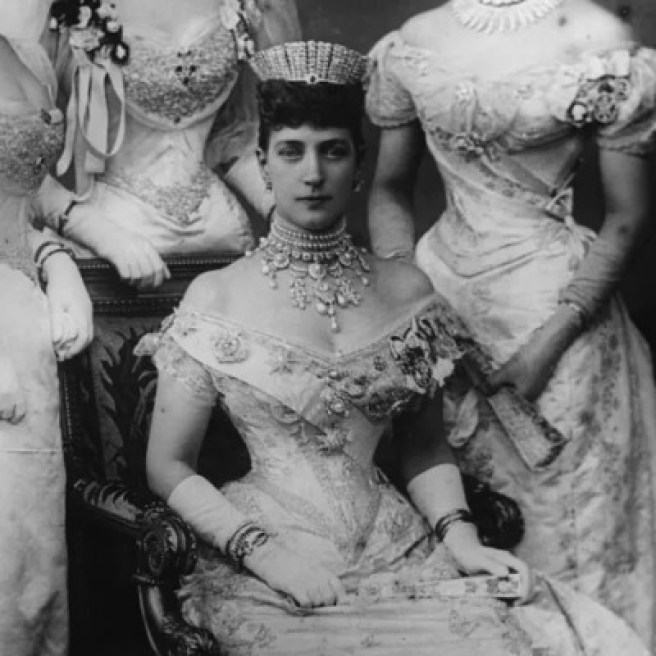
Queen Maud’s Pearl Tiara

Kokoshnik Tiara

Wedding Gift Tiara

Queen Alexandra’s Wedding Parure
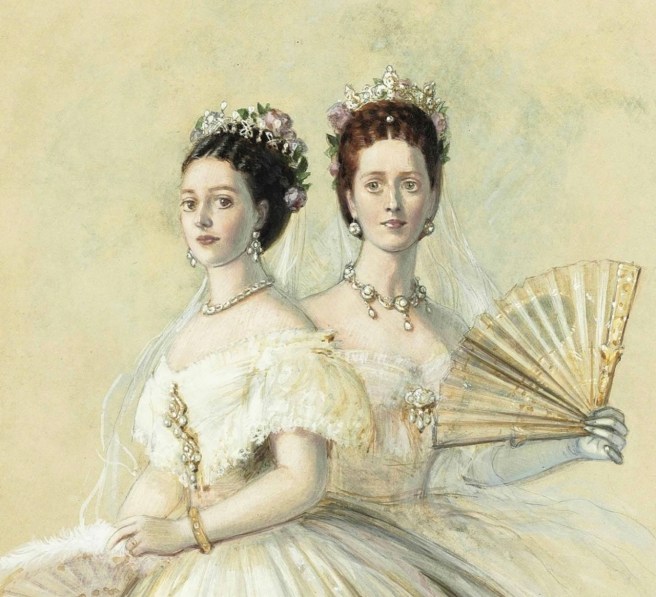
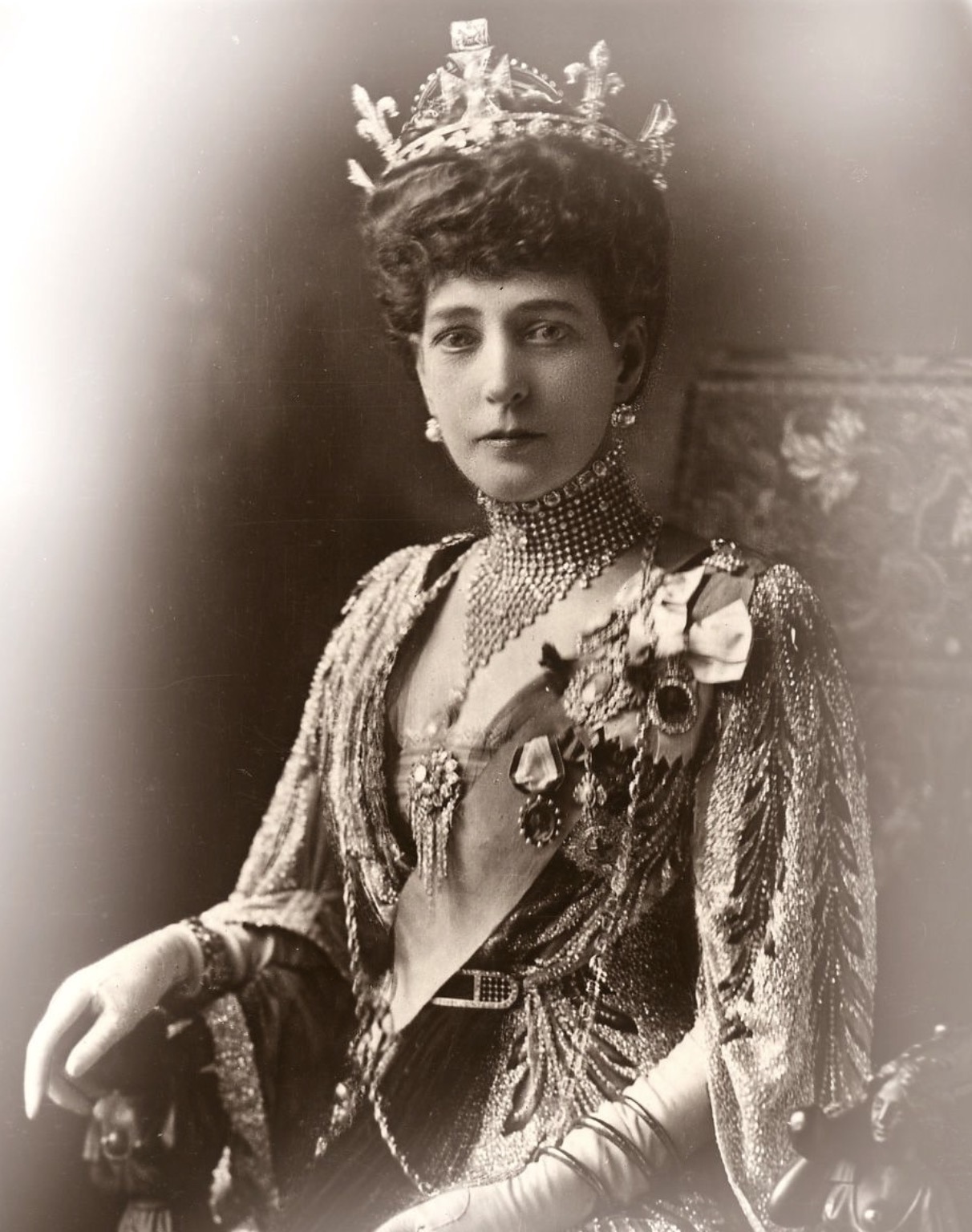
Diamond Circlet

Amethyst Tiara

Diamond Rivière

Cartier Collier Résille

Girls of Great Britain and Ireland Tiara

Vladimir Tiara

Queen Alexandra’s Kokoshnik Tiara

Belgian Sapphire Tiara

Burmese Ruby Tiara

Brazilian Aquamarine Tiara

Queen Mary’s Fringe Tiara

Queen Mary’s Lover’s Knot Tiara

Queen Victoria’s Oriental Circlet Tiara

Nizam of Hyderabad Tiara

Plunket Tiara

Five Aquamarine Tiara

Imperial State Crown

George IV State Diadem

Necklaces

Coronation Necklace and Earrings

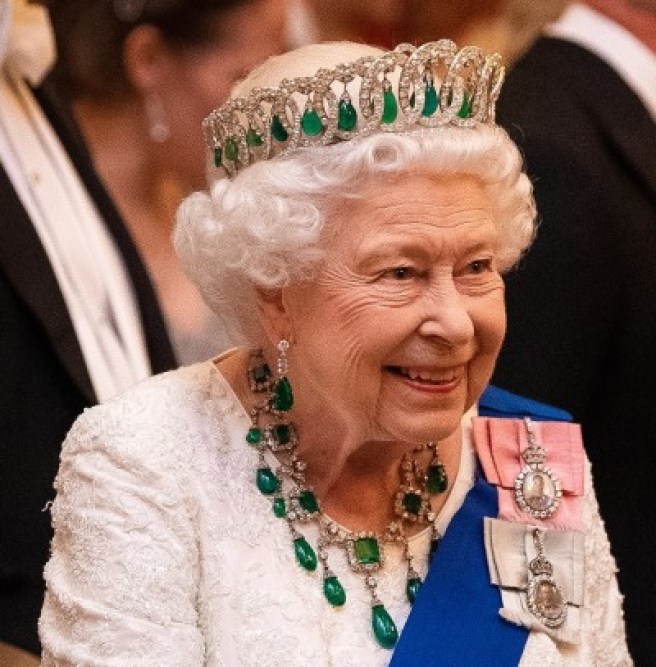
The Cambridge Emerald Parure
Queen Victoria’s Golden Jubilee Necklace

King George VI Sapphire Suite

Queen’s Three-Strand Pearl Necklace

King George VI Festoon Necklace

Queen’s South African Diamonds

Queen’s City of London Fringe Necklace

Nizam of Hyderabad Necklace

Greville Ruby Necklace

Queen’s Japanese Pearl Choker

Kent Amethyst Parure
Queen’s Emerald Tassel Suite

Empress Maria Feodorovna’s Sapphire Choker

Greville Emerald Necklace

Queen’s Dubai Sapphire Suite

LP Staff Writers

Writers at Lord’s Press come from a range of professional backgrounds, including history, diplomacy, heraldry, and public administration. Many publish anonymously or under initials—a practice that reflects the publication’s long-standing emphasis on discretion and editorial objectivity. While they bring expertise in European nobility, protocol, and archival research, their role is not to opine, but to document. Their focus remains on accuracy, historical integrity, and the preservation of events and individuals whose significance might otherwise go unrecorded.

Categories

Follow

    Newsletter

    Subscribe to receive your complimentary login credentials and unlock full access to all features and stories from Lord’s Press.

    As a journal of record, Lord’s Press remains freely accessible—thanks to the enduring support of our distinguished partners and patrons. Subscribing ensures uninterrupted access to our archives, special reports, and exclusive notices.

    LP is free thanks to our Sponsors

    Privacy Overview

    Privacy & Cookie Notice

    This website uses cookies to enhance your browsing experience and to help us understand how our content is accessed and used. Cookies are small text files stored in your browser that allow us to recognise your device upon return, retain your preferences, and gather anonymised usage statistics to improve site performance.

    Under EU General Data Protection Regulation (GDPR), we process this data based on your consent. You will be prompted to accept or customise your cookie preferences when you first visit our site.

    You may adjust or withdraw your consent at any time via the cookie settings link in the website footer. For more information on how we handle your data, please refer to our full Privacy Policy